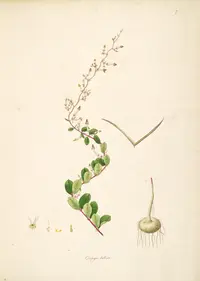
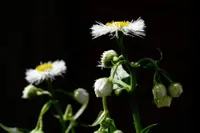
Downy Vetch Care (Vicia pubescens)

About Downy Vetch

Downy vetch, Vicia pubescens, is a scrambling, herbaceous legume often found in meadows, field margins, and open woodland edges. It typically grows as a slender, climbing or trailing plant using tendrils to support itself on nearby vegetation.

The foliage is made of small paired leaflets, and the plant produces clusters of soft-colored pea-like flowers, followed by narrow seed pods. As a member of the pea family, it can fix nitrogen in the soil, which supports growth in poorer sites.

It generally prefers full sun to light shade, with moderately moist, well-drained soils. These traits make it relatively undemanding, so learning how to care for Downy Vetch focuses mostly on controlling spread and providing suitable light and drainage.

Main Plant Requirements

Care Difficulty

Moderate Care

Light Preference

Full Sun

Water Requirements

Moderate Water

Temperature Preference

Cool Climate

Hardiness Zone

Unknown

Soil Texture

Sandy, Loamy, Organic-rich

Soil pH

Acidic (5.5–6.5), Slightly acidic (6.5–7.0)

Soil Drainage

Well-drained

Fertilization

Minimal (feed rarely)

Get Personalized Care Plan

Scan your plant to receive care tips personalized for your specific plant

Available on iOS and Android

How to Care for the Downy Vetch

Vicia pubescens prefers full sun but tolerates light shade, especially in hotter regions.

  • Provide 6–8 hours of direct sun daily; morning sun with light afternoon shade helps prevent leaf scorch in hot summers.
  • Plant Downy Vetch where it receives at least 4 hours of direct light; in heavier shade plants grow weak, elongated, and flower poorly.
  • In cooler seasons it can handle full sun all day, but in late spring and summer use partial shade on exposed, south-facing slopes to reduce heat stress.

This species prefers evenly moist, well-drained soil and does not tolerate prolonged waterlogging.

  • Water when the top 3–5 cm of soil feels dry, allowing moisture to penetrate 10–15 cm deep to support the root system.
  • Reduce watering frequency in cool or rainy periods; in hot, dry weather increase checks for dryness rather than following a fixed schedule.
  • Ensure soil drains freely; persistent soggy soil, yellowing foliage, or soft stems indicate overwatering, while dull, wilting leaves and dry, hard soil signal underwatering for Vicia pubescens.

This cool-season legume grows best in mild conditions and dislikes both hard frost and intense heat.

  • Aim for active growth in 50–70°F (10–21°C); germination and early development are strongest within this range.
  • Plants tolerate light frost down to about 25°F (−4°C), but repeated freezes below this can damage shoots and reduce stand density.
  • Growth slows markedly above 80°F (27°C); in hotter periods expect earlier maturity, possible stress, and consider slightly earlier sowing to avoid extreme summer heat.

Vicia pubescens handles a wide humidity range and usually needs no special humidity control outdoors.

Vicia pubescens prefers loose, well-drained mineral soils and tolerates relatively poor fertility.

  • Use a sandy or light loam with 20–30% compost to support root development and nitrogen-fixing nodules.
  • Ensure fast drainage; avoid compacted or waterlogged sites that promote root rot and poor aeration.
  • Aim for slightly acidic to neutral pH, around 6.0–7.5, where nutrient availability and nodule function stay stable.
  • On heavy clay, mix in coarse sand or fine gravel plus organic matter to open the structure and improve oxygen flow.

This species can be grown in containers if the pot is deep and stable enough for its vining habit.

  • Choose a container at least 25–30 cm deep so roots can anchor and support upright or climbing growth.
  • Secure a light trellis or support directly in the pot to prevent the container from tipping as vines elongate.
  • Use a heavier pot material or add weight at the base if the planting is exposed to wind and becomes top-heavy.

This nitrogen-fixing legume usually thrives in average soils and often needs little added fertilizer when grown outdoors.

  • If soil is very poor, apply a light layer of well-rotted compost before sowing or early in spring.
  • Where extra feeding is needed, use a balanced NPK fertilizer at 1/2 strength, no more than once per month in the growing season.
  • Avoid high-nitrogen fertilizers, since Downy Vetch already fixes atmospheric nitrogen through its root nodules.
  • Stop feeding in late summer to fall, and do not fertilize during winter dormancy.

Pruning Vicia pubescens is simple and mainly supports tidy growth and safe reseeding levels.

  • Cut back dead, damaged, or diseased stems at ground level in late winter or early spring using clean shears.
  • Lightly trim sprawling or tangled patches after flowering to maintain shape and prevent excessive self-seeding.
  • Remove crowded or shading stems to improve airflow and light penetration through the stand.
  • For managed plantings, mow or scythe mature growth once seed has set if some natural reseeding is desired.

This species is more often direct-sown or field-grown, so focus on gentle transplanting rather than frequent repotting.

  • Transplant young plants in early spring or early fall, when temperatures are mild and soil is moist but not waterlogged.
  • Move seedlings once roots lightly fill plugs or small cells; avoid letting roots circle tightly around the container.
  • Lift plants with a wide soil clump, disturbing roots as little as possible to reduce stress and transplant shock.
  • Water thoroughly after planting, then keep soil evenly moist for 1–2 weeks until new growth shows successful establishment.

Vicia pubescens is most commonly propagated by seed, which suits its annual or short-lived habit in many plantings.

  • Sow seeds in spring after frost, directly in the ground or in trays, 0.5–1 cm deep in well-drained soil.
  • Provide 60–70°F soil, consistent moisture, and good light; germination usually occurs within 1–3 weeks.
  • Inoculating seed with appropriate Rhizobium bacteria can enhance nitrogen-fixing nodules and overall growth.
  • Transplant seedlings only when they have several true leaves, handling root systems gently to avoid damage.

This hardy vetch usually needs minimal winter care in temperate climates once established in the ground.

  • In colder regions, a light mulch layer over the root zone helps moderate soil temperature and moisture.
  • Allow top growth to die back naturally; stems and foliage can act as a protective cover and soil-building residue.
  • Container-grown plants in very cold areas can be moved to a sheltered, unheated but frost-sheltered spot if roots are exposed.

Care Tips

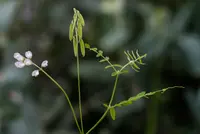
Use Temporary Support

Install low trellis netting or short stakes before stems start to sprawl so young vines can climb, which keeps foliage off wet soil and reduces foliar disease risk when growing Downy Vetch.

Time Mowing Correctly

If using as a cover crop, mow or cut plants just as the first seed pods begin to form, which maximizes biomass and nitrogen contribution while preventing heavy reseeding and volunteer plants the following season.

Surface Inoculation Technique

Before sowing, dust seeds with a rhizobium inoculant formulated for vetch and pea, then lightly moisten and air-dry them for 15–20 minutes so the powder adheres evenly and improves root nodulation in poor or unused soils.

Staggered Sowing Rows

Sow in several narrow, offset bands instead of one dense strip to create better air movement through the canopy, which helps limit fungal problems and makes later mowing or incorporation more even.

Shallow Incorporation Method

When using as green manure, incorporate the mown foliage only into the top 5–8 cm of soil and allow 2–3 weeks before planting the next crop so residues decompose and nitrogen becomes more available to following plants.

Common Pests and Diseases

Pea aphids

This pest feeds on tender shoots and undersides of leaves, causing curling, yellowing, and sticky honeydew that can attract sooty mold. Heavy infestations can weaken stems and reduce flowering and pod set.

Solution

Spray plants with a firm stream of water to dislodge colonies, then treat remaining aphids with insecticidal soap or a neem oil solution, coating undersides of leaves. Encourage natural predators such as lady beetles by avoiding broad-spectrum insecticides and by maintaining diverse surrounding vegetation when growing Downy Vetch in mixed plantings or cover crops.

Pea weevils

These insects lay eggs on developing pods, and the larvae bore into seeds, reducing seed quality and germination. Adult feeding can also notch leaf margins, though this is usually less damaging than larval seed injury.

Solution

Hand-pick and destroy adult beetles when first noticed and remove and discard heavily infested pods after harvest to break the life cycle. Use crop rotation, avoid repeatedly sowing vetch or other legumes in the same spot, and time planting so that flowering and pod set do not coincide with peak local pea weevil activity where possible.

Powdery mildew

This disease produces white, powdery fungal growth on leaves, stems, and sometimes pods, leading to reduced photosynthesis and premature leaf drop. Symptoms include stunted growth and a general decline in vigor in dense or shaded stands.

Solution

Improve air circulation by reducing overcrowding and avoiding overhead irrigation late in the day, and remove and destroy heavily infected plant parts. If disease pressure is high, apply a sulfur-based or potassium bicarbonate fungicide labeled for legumes, starting at first signs and repeating as directed to protect new growth.

Ascochyta leaf spot

This disease causes small tan to brown spots on leaves and stems, often with darker margins, which can merge and lead to blighting of foliage. In wet conditions, lesions may show tiny dark fruiting bodies where spores form and spread.

Solution

Remove and destroy infected plant debris and avoid working among plants when foliage is wet to limit spore spread. Use crop rotation with non-legume species, provide good spacing for airflow, and if needed apply a legume-appropriate fungicide early in the infection when new spots first appear.

Pea root-knot nematodes

These microscopic roundworms attack roots, causing galls or swellings that interfere with water and nutrient uptake and lead to stunting, yellowing, and poor nodulation. Symptoms include patchy, uneven growth even when water and nutrients appear adequate.

Solution

Pull and dispose of badly affected plants and avoid moving contaminated soil to new areas. Implement multi-year rotation with non-host crops, use resistant or tolerant cover crops where available, and improve soil organic matter so beneficial organisms that naturally suppress nematodes can build up over time.

Interesting Facts

Downy stem adaptation

Vicia pubescens has noticeably hairy (pubescent) stems and leaf surfaces, which help reduce water loss and can protect tissues from excessive sun exposure and small herbivores.

Specialist bee visitors

Flowers of Vicia pubescens are mainly pollinated by medium to large bees that can handle its pea-like, keel-type corolla, which must be forced open to reach the nectar and pollen.

Nitrogen-fixing partner

Like many vetches, Vicia pubescens forms nodules on its roots with Rhizobium bacteria, allowing the plant to convert atmospheric nitrogen into forms it can use and subtly enrich the surrounding soil over time.

FAQs about Downy Vetch

This species can spread quickly by seed and scrambling stems, especially in open or disturbed ground. In managed gardens, control comes from cutting before seed set, hand-pulling unwanted patches, and avoiding unnecessary soil disturbance around established stands.

Grow Healthy Plants with Botan Care

Keep your plants happy and healthy with plant identification, disease detection, and easy care guidance.

Botan plant care app — identify plants on mobile

Explore More Plants