Sticky Catchfly Care (Viscaria vulgaris)

Also known as: Sticky Nellie, German Catchfly
Sticky Catchfly

About Sticky Catchfly

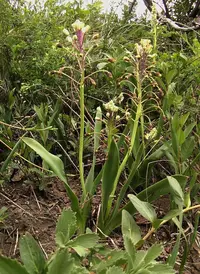
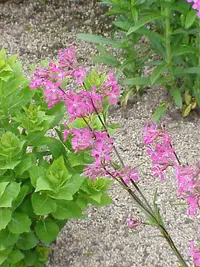
Sticky catchfly, Viscaria vulgaris, is a perennial wildflower from Europe and western Asia, often grown as an ornamental in cottage-style and naturalistic gardens. It forms upright clumps with slender stems topped by clusters of bright pink, five-petaled flowers.

The common name comes from its sticky stem sections, which can trap small insects but do not digest them. Plants usually bloom in late spring to early summer and attract pollinators such as bees and butterflies.

This species prefers sunny, open sites with well-drained, moderately fertile soil and tolerates light dryness once established. These traits generally make it straightforward to care for Sticky Catchfly in suitable climates.

Main Plant Requirements

Care Difficulty

Easy Care

Light Preference

Full Sun

Water Requirements

Moderate Water

Temperature Preference

Cold Hardy

Hardiness Zone

3–8

Soil Texture

Sandy, Loamy, Rocky

Soil pH

Acidic (5.5–6.5), Slightly acidic (6.5–7.0)

Soil Drainage

Well-drained

Fertilization

Minimal (feed rarely)

Get Personalized Care Plan

Scan your plant to receive care tips personalized for your specific plant

Available on iOS and Android

How to Care for the Sticky Catchfly

Viscaria vulgaris prefers bright conditions with several hours of direct sun for strong, compact growth.

  • Provide 4–6 hours of direct morning to early afternoon sun; in hotter regions, give light afternoon shade to prevent leaf scorch.
  • Plant in an open, unshaded position; Sticky Catchfly can tolerate light partial shade but produces fewer flowers with less than 3–4 hours of sun.
  • In summer, watch for pale, stretched stems as a sign of insufficient light; in very intense sun, dry, crisp leaf edges indicate excessive exposure.

This species prefers moderately moist, well-drained soil and does not tolerate prolonged saturation.

  • Outdoors in typical garden soil, water only when the top 3–5 cm feel dry, aiming for deep soaking rather than frequent light sprinkling.
  • Use free-draining soil or a raised bed to prevent waterlogging; yellowing, soft stems indicate overwatering or poor drainage.
  • During cool or wet seasons reduce watering, while in hot, dry spells increase frequency if foliage wilts or the soil dries out within 1–2 days.

This hardy perennial tolerates a broad temperature range but flowers best in mild, temperate conditions.

  • Optimal growth and flowering occur around 60–75°F (16–24°C), typical of spring and early summer in many temperate regions.
  • The plant can survive down to about 10–15°F (-12 to -9°C) once established, but young plants benefit from protection from hard, sudden frosts.
  • In hot spells above 85°F (29°C), flowering may slow; provide mulch and avoid reflected heat from walls or paving to limit stress.

This species prefers relatively dry air and usually does not need special humidity control.

  • Aim for indoor humidity around 30–50% if grown inside, similar to average household conditions.
  • Leaves and stems that soften, droop, or show pale, weak growth are more likely due to watering or light issues than humidity stress in Sticky Catchfly.
  • Increase airflow rather than humidity if plants are dense, using an open position or gentle fan to reduce fungal risk.

Viscaria vulgaris grows best in light, well-drained soil that mimics dry, open habitats.

  • Use a sandy or sandy-loam mix, such as 2 parts standard potting mix to 1 part coarse sand or fine grit, for a loose structure.
  • Ensure very sharp drainage; the soil should drain fully within a few minutes after watering, without puddling at the surface.
  • A slightly alkaline to neutral pH around 6.5–7.5 suits this species; adding a small amount of garden lime can help in acidic soil.
  • Avoid heavy clay, waterlogged sites, or high-peat mixes that hold moisture around the roots for long periods.

This species is suitable for container growing if the pot is kept free-draining and not overly rich.

  • Choose a pot that is wider than it is deep to allow the fibrous roots and basal clumps to spread without staying wet at the bottom.
  • Use a mineral-rich, gritty mix in containers so rain or irrigation drains quickly, preventing soggy conditions around the root zone.
  • Select a heavier terracotta or ceramic pot outdoors to keep the plant stable against wind and to let excess moisture evaporate faster through the pot walls.

Viscaria vulgaris grows well in lean soils and usually needs only light feeding for best flowering.

  • Use a balanced, low-strength liquid fertilizer (such as 10-10-10) diluted to 1/2 strength for container-grown plants.
  • Feed every 4–6 weeks during the active growing season if soil is poor or plants look pale.
  • Apply a thin layer of garden compost around outdoor clumps in spring instead of frequent liquid feeds.
  • Stop feeding in late summer and avoid fertilizing in winter dormancy to prevent weak, lush growth.

Pruning Viscaria vulgaris is simple and mainly supports tidy growth and repeat flowering.

  • Deadhead spent flower stems during bloom using clean scissors or hand pruners to prolong flowering.
  • In late summer or early fall, trim back straggly stems to maintain a compact, upright mound.
  • Remove any dead, diseased, or storm-damaged growth at any time of year to reduce disease pressure.
  • Avoid cutting into very young basal shoots; leave healthy lower foliage to support next season’s growth.

This species is usually grown in garden beds, so focus on careful transplanting rather than frequent repotting.

  • Transplant young plants in early spring or early fall when temperatures are mild and soil is moist.
  • Move clumps only if growth is stunted, flowering declines, or plants are overcrowded in their patch.
  • Lift with a spade, keeping a generous soil ball around roots to minimize disturbance and transplant shock.
  • Water thoroughly after planting, then keep soil evenly moist for 1–2 weeks while roots re-establish.

Viscaria vulgaris is most often propagated from seed, with division used occasionally for established clumps.

  • Sow fresh seeds in late fall outdoors for natural cold stratification, or in early spring under cover.
  • Use a light, well-drained seed mix, pressing seeds onto the surface and covering very lightly with grit or fine compost.
  • Maintain gentle, even moisture and cool conditions around 55–65°F until germination in 2–4 weeks.
  • Divide mature clumps in early spring, replanting sections promptly at the same depth and watering well.

This hardy perennial usually needs little special winter care in most temperate climates.

  • Plants tolerate normal frost once established, especially in well-drained soil that prevents waterlogging.
  • After hard frosts, cut back collapsed stems to a few cm above ground to reduce rot and tidy beds.
  • Apply a light mulch layer around the crown in late fall in colder regions, keeping mulch off the central growing point.
  • For containers, move pots to a sheltered, unheated area to limit freeze–thaw stress on roots and soil.

Care Tips

Shear After Flowering

Once the first main flush of blooms fades, shear stems back by about 1/3 to encourage a compact shape and a lighter repeat flowering later in the season.

Use Gravel Mulch

Apply a 1–2 cm layer of fine grit or gravel around the crown to keep the base dry, reduce soil splash on foliage, and improve drainage in wet spells.

Staggered Sowing

Start one batch indoors and sow another directly outside 3–4 weeks later to extend the overall flowering period and keep the planting looking fresh.

Support In Windy Sites

In exposed gardens, place low, discreet ring supports or short twigs around young clumps early in the season to prevent taller stems from flopping in strong wind or heavy rain.

Rotate Planting Spots

Avoid replanting in exactly the same spot for several years in a row to reduce buildup of soil-borne pests and diseases, especially in small borders or compact beds when growing Sticky Catchfly.

Common Pests and Diseases

Rust

This disease causes orange to brown powdery pustules on leaves and stems, often leading to yellowing and early leaf drop. Symptoms include weakened plants and reduced flowering in dense clumps of sticky catchfly.

Solution

Remove and dispose of affected leaves as soon as spots appear, and avoid overhead watering to keep foliage dry. Improve spacing and airflow around plants and, in recurrent cases, apply a sulfur or chlorothalonil-based fungicide according to label directions as part of broader Viscaria vulgaris care.

Powdery mildew

This disease produces a white, floury coating on leaves, stems, and sometimes flower stalks, especially in humid conditions with poor air movement. Symptoms include distorted new growth and reduced vigor.

Solution

Increase sun exposure and airflow by thinning crowded stems and avoiding overhead watering, especially in the evening. Remove heavily affected foliage and, if needed, use a potassium bicarbonate or neem oil spray applied to both upper and lower leaf surfaces following label instructions.

Aphids

These insects cluster on young stems, buds, and the sticky calyces, sucking sap and causing curling or yellowing leaves and deformed flowers. This pest also excretes honeydew, which can lead to sooty mold on foliage and stems.

Solution

Dislodge colonies with a strong stream of water and pinch off heavily infested shoot tips. Encourage natural predators like lady beetles and, if populations remain high, treat with insecticidal soap or a light horticultural oil, making sure to coat all infested surfaces.

Leaf spot

This disease causes small brown, purple, or tan spots on leaves that may enlarge and merge, eventually causing premature leaf drop in moist conditions. Symptoms include thinning foliage and an overall untidy appearance of the plant clump.

Solution

Remove and discard affected leaves promptly and water at soil level rather than from above to keep foliage dry. Improve drainage and air circulation, and in persistent cases use a copper-based or broad-spectrum ornamental fungicide, following label rates and timing.

Interesting Facts

Sticky stem adaptation

The stems and upper leaves produce a band of sticky glandular hairs that trap small insects, likely as a defense against herbivores rather than for nutrient absorption as in true carnivorous plants.

Dry meadow specialist

This species naturally occurs in dry, open grasslands, rocky slopes, and road verges across much of Europe, showing a strong preference for well‑drained, often slightly alkaline soils.

Evening flower activity

The magenta to pink flowers tend to open more fully and become more fragrant towards evening, supporting pollination by moths and other crepuscular insects.

Botan icon

Did you know?

In parts of Central and Northern Europe, this species has been used as a traditional indicator of long‑established, species‑rich grasslands, so its presence can signal relatively undisturbed semi‑natural meadow habitats.

FAQs about Sticky Catchfly

Lack of flowers usually comes from too little sun, overly rich nitrogen-heavy fertilizer, or plants that are still immature. Poorly drained soil or crowding by neighboring plants can also reduce bud formation and overall flowering.

Grow Healthy Plants with Botan Care

Keep your plants happy and healthy with plant identification, disease detection, and easy care guidance.

Botan plant care app — identify plants on mobile

Explore More Plants