Vejvarut Paphiopedilum Care (Xerocomellus dryophilus)

Vejvarut Paphiopedilum

About Vejvarut Paphiopedilum

Vejvarut Paphiopedilum, also known as Xerocomellus dryophilus, is presented here as a cultivated ornamental with a compact, upright growth habit. It is typically appreciated for its structured form and distinctive appearance rather than lush foliage.

The plant conceptually traces inspiration from temperate woodland ecosystems, where moderate light and steady moisture are common. It is generally considered a specialty plant, better suited to growers who already have some experience.

Sensitive root systems and a need for stable conditions make it less forgiving of neglect or irregular care. Those learning how to care for Vejvarut Paphiopedilum should aim for consistent moisture, good drainage, and protection from harsh direct sun.

Main Plant Requirements

Care Difficulty

Moderate Care

Light Preference

Partial Shade

Water Requirements

Regular Water

Temperature Preference

Cool Climate

Hardiness Zone

Unknown

Soil Texture

Loamy, Silty, Organic-rich

Soil pH

Slightly acidic (6.5–7.0), Neutral (7.0)

Soil Drainage

Moist but well-drained

Fertilization

Minimal (feed rarely)

Get Personalized Care Plan

Scan your plant to receive care tips personalized for your specific plant

Available on iOS and Android

How to Care for the Vejvarut Paphiopedilum

Xerocomellus dryophilus favors dappled woodland-style light rather than open, direct sun.

  • Provide bright, filtered light or light shade with 2–4 hours of gentle morning sun and shaded conditions during strong midday and afternoon sun.
  • Site it under deciduous trees where it receives more light in spring and autumn, then shifting to deeper shade as the canopy fills in over summer.
  • Avoid prolonged full sun, which can dry the substrate and surrounding leaf litter; too little light, however, can reduce fruiting compared with species like Vejvarut Paphiopedilum.

Watering for Xerocomellus dryophilus focuses on maintaining consistently moist, well-drained forest soil.

  • Aim for soil that stays slightly moist 5–10 cm deep, never waterlogged; natural rainfall often suffices in humid woodland, but supplement if the surface cracks or feels dry and dusty.
  • Increase moisture input during warm, dry spells, and reduce it in cool or wet seasons to avoid anaerobic (low-oxygen) conditions around roots and mycelium.
  • Watch for signs of overwatering such as persistent puddles, foul odor, or slimy organic matter, and for underwatering indicated by brittle leaf litter and shrinking, hardened soil.

This species is adapted to mild woodland climates with cool to warm temperatures and distinct seasons.

  • Optimal activity and fruiting usually occur around 55–72°F (13–22°C), typical of temperate forest floors in late spring to autumn.
  • It tolerates cool nights down to about 32°F (0°C) in dormant phases but active growth is limited by repeated frosts and prolonged soil freezing.
  • Sustained heat above 82–86°F (28–30°C), especially with dry soil, can suppress fruiting and stress the associated trees, so provide shading and soil moisture conservation in hot periods.

Humidity is not a key factor for Xerocomellus dryophilus, which copes well in typical outdoor air.

This fungus prefers naturally loose, well-aerated woodland soils rather than managed garden substrates.

  • Favor a crumbly, organic-rich, loamy texture that mimics leaf-litter forest floors, with plenty of fine roots and decaying plant material.
  • Ensure excess water drains freely; avoid compacted or waterlogged ground where puddles linger after rain.
  • Aim for slightly acidic to neutral conditions, roughly pH 5.5–7, often found under broadleaf trees.
  • Improve aeration in heavier ground by mixing in leaf mold, fine bark, and a small amount of coarse sand rather than dense composts.

This species is not suitable for container growing, since its life cycle depends on natural soil ecosystems and tree root associations.

Xerocomellus dryophilus is a wild ectomycorrhizal fungus that normally gains nutrients through tree-root partnerships and does not need direct fertilization.

Xerocomellus dryophilus is not a plant and is not managed by pruning in cultivation or in the wild.

Xerocomellus dryophilus is a mycorrhizal mushroom that is not suited to standard repotting or transplanting like a potted plant.

  • If grown for study, focus on maintaining host trees or seedlings in suitable, well-drained, low-fertilizer soil.
  • Avoid disturbing soil where fruiting bodies appear, since disruption can damage the underground mycelium network.
  • When moving host trees, accept that the fungal partner may not survive transplant shock or soil changes.

Xerocomellus dryophilus reproduction relies on spores and complex tree-root associations, so practical home propagation is rarely successful.

Xerocomellus dryophilus is a woodland fungus that generally needs no deliberate winter care from gardeners.

Care Tips

Targeted habitat scouting

When mushroom hunting, learn to recognize and revisit specific microhabitats such as mixed oak-pine leaf litter on slightly sloped, well-drained ground, since this species often fruits repeatedly in the same mycorrhizal host zones year after year.

Gentle fruitbody handling

Cut fruitbodies at the base with a clean knife instead of pulling them out, leaving the underground mycelium intact so it can continue to fruit in the same area for multiple seasons.

Spore spread assistance

After collecting, lightly tap mature caps over suitable nearby leaf litter so spores can fall and potentially colonize new patches within the same woodland.

Minimal disturbance approach

Avoid raking, digging, or heavily disturbing the soil and leaf litter in productive areas, since intact organic layers protect the fine mycorrhizal roots that support future mushroom flushes.

Simple field documentation

Record host tree species, soil moisture, and fruiting time in a field notebook or app each season, building a site history that improves your success in locating this species and also translates well to practices used when growing Vejvarut Paphiopedilum under controlled conditions.

Common Pests and Diseases

Mycophagous springtails

These insects feed on the fruiting bodies and mycelium, leaving small pits, surface scarring, and sometimes deformities in caps and stems. This pest is especially active in moist, organic-rich environments where the fungus fruits.

Solution

Remove and discard heavily damaged fruiting bodies and reduce excess surface moisture while maintaining overall humidity for the fungal substrate. Improve air movement around the fruiting area, clean up decaying organic debris, and, in controlled cultivation, use fine mesh barriers and clean substrate to reduce access by springtails when trying to grow Xerocomellus dryophilus.

Fungus gnat larvae

This pest lives in the substrate and feeds on young mycelium and developing fruiting bodies, which can result in stunted, misshapen, or water-soaked tissue. Symptoms include small entry holes and internal tunneling in stems and caps.

Solution

Physically remove and discard infested mushrooms and any obviously contaminated substrate. In cultivation setups, allow the surface to dry slightly between misting, improve ventilation, use sticky traps to capture adults, and employ fine mesh or filters around vents and openings to limit adult gnat access to the fruiting area.

Mite infestation

These pests include several mycophagous mite species that rasp and feed on pore surfaces and cap tissue, leading to rough, patchy areas and reduced spore production. Symptoms include fine pitting, pale or bleached spots, and sometimes visible tiny moving dots on the cap or pores.

Solution

Harvest and discard mushrooms with heavy mite presence and remove surrounding organic debris where mites can hide. In managed culture, keep substrate clean, avoid overcrowding of containers, use fine mesh screens, and, when necessary, rotate the growing area or rest contaminated setups to break the mite life cycle.

Bacterial blotch

This disease is usually caused by Pseudomonas species and leads to greasy, yellow to brown spots that feel slimy when conditions are very wet. Symptoms include localized soft areas on caps that can spread and cause rapid deterioration of tissue.

Solution

Promptly remove and discard affected mushrooms and any obviously contaminated material. Reduce overhead wetting, shift to gentler side misting, increase airflow to dry cap surfaces between watering cycles, and sanitize tools and containers to limit bacterial spread.

Parasitic mold overgrowth

This disease occurs when competing molds colonize the mycelium or fruiting bodies, forming fuzzy, colored patches that overrun healthy tissue. Symptoms include stalled or aborted fruiting, off-odors, and visible mold mats on caps, stems, or substrate surface.

Solution

Carefully remove and discard all moldy mushrooms and the surrounding portion of substrate, avoiding disturbance that spreads spores. Improve hygiene in cultivation by using clean tools and containers, reducing overcrowding, increasing fresh air exchange, and starting new cultures from uncontaminated material rather than trying to salvage heavily infected setups.

Interesting Facts

Distinctive cap cracking

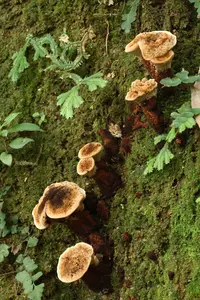
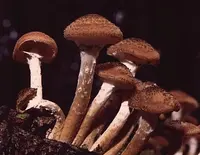
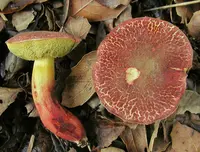
Mature specimens often show a finely cracked, patchy cap surface, with the underlying paler flesh visible between darker, reddish‑brown areoles, which helps distinguish it from smoother-capped related boletes.

Oak-associated mycorrhiza

This species forms ectomycorrhizal partnerships with oaks, exchanging mineral nutrients and water from the soil for photosynthetically produced sugars from the tree.

Non-bluing flesh trait

Unlike many related boletes, its yellowish flesh does not turn blue when bruised or cut, a macroscopic feature used by field mycologists to separate it from similar, bluing species.

FAQs about Vejvarut Paphiopedilum

Lack of flowers is usually linked to insufficient seasonal temperature drop, inadequate maturity of the growth, or nutrient imbalance. Consistent cool nights, stable care, and balanced feeding over several months are essential for reliable flowering.

Grow Healthy Plants with Botan Care

Keep your plants happy and healthy with plant identification, disease detection, and easy care guidance.

Botan plant care app — identify plants on mobile

Explore More Plants