Train Multi-Stem Form
When the tree is young, select 3–5 well-spaced main stems and gently prune out competing shoots to create a stable, multi-stem form that resists wind and heavy snow loads.

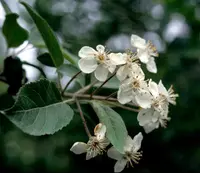
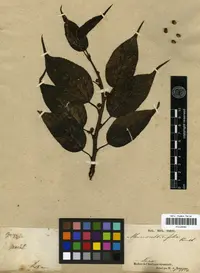
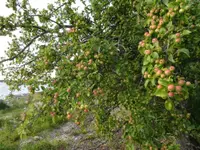
Oregon crab apple, Malus fusca, is a small deciduous tree or large shrub native to the Pacific Northwest of North America. It often grows in thickets along streams, wetlands, and moist woodland edges.
The plant has an upright, somewhat spreading habit, with white to pink-tinged spring blossoms followed by small, firm, yellow to reddish fruits. Its dense branching and thornless stems provide good cover for wildlife.
This species is generally hardy and adaptable, which makes it suitable for naturalistic gardens and restoration plantings. To care for Oregon Crab Apple, provide sun to light shade, consistent moisture, and reasonably fertile, well-drained soil.

Care Difficulty
Easy Care

Light Preference
Full Sun

Water Requirements
Keep Soil Moist

Temperature Preference
Cold Hardy

Hardiness Zone
4–8

Soil Texture
Loamy, Clay, Organic-rich

Soil pH
Acidic (5.5–6.5), Slightly acidic (6.5–7.0)

Soil Drainage
Waterlogged tolerant

Fertilization
Minimal (feed rarely)
Scan your plant to receive care tips personalized for your specific plant
Available on iOS and Android
This species is a light-demanding small tree that fruits best in open, sunny sites.
This wetland-adapted tree prefers consistently moist soil but not long-term stagnation.
This hardy species is well adapted to cool, moist climates with cold winters.
This species is adapted to cool, moist air and does not require special humidity management outdoors.
This wetland-adapted shrub or small tree prefers consistently moist, deep soils with strong structure and high organic content.
This species can be grown in large containers for a limited time, mainly in cooler, moist climates.
This native tree usually needs minimal feeding, especially when planted in reasonably fertile soil.
Pruning Malus fusca focuses on health, access, and a stable structure rather than tight shaping.
This species is usually grown in the ground, so management centers on transplanting young trees rather than long-term container culture.
Malus fusca is commonly propagated from seed and by grafting, with cuttings used less often.
This is a cold-hardy, deciduous species that generally needs little special winter care in typical temperate climates.

Plant Health Check
Not sure what's wrong with your plant? Check your plant's health inside the app.
This species naturally thrives along brackish tidal estuaries and shorelines of the Pacific Northwest, showing unusual tolerance to periodic flooding and mildly saline conditions compared with most other crab apples.
The dense thickets, early spring flowers, and persistent small fruits provide shelter and food for many native birds and mammals, including waterfowl, grouse, and bears in coastal forest ecosystems.
Indigenous peoples of the Pacific Northwest, including several Coast Salish groups, traditionally harvested and preserved the tart fruits, often storing them in water or oil and sometimes using them as a seasoning with fish and other foods.

Malus fusca is considered the only crab apple species native to the Pacific coast of North America, with a natural range that closely tracks the cool, moist maritime climate from Alaska south into northern California.
Growth is moderate. Young trees usually add 30–60 cm per year under good conditions. Rate slows as the tree matures. Moist soil, full light, and minimal competition from weeds or turf support steady extension growth.
Keep your plants happy and healthy with plant identification, disease detection, and easy care guidance.