Shallow pot choice
Use a wide, shallow terracotta pot to match the plant’s fibrous, surface-skimming roots and improve drainage, which helps prevent stem rot at the base.

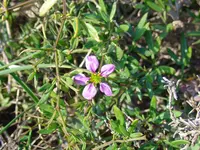
Zygophyllum creticum is a small, woody, evergreen shrub from dry Mediterranean and North African regions. It naturally grows in rocky, coastal, and semi-desert habitats. The plant forms low, spreading clumps with thick, paired succulent leaves and small, often yellowish flowers, giving it a compact, drought-adapted look. Its fleshy foliage helps it store water and tolerate long dry periods. This species suits growers who like low-maintenance, sun-loving plants but can struggle in cool, wet climates or heavy, poorly drained soils. Understanding how to care for Zygophyllum creticum starts with providing strong light, warmth, and very free-draining, sandy or gritty soil.

Care Difficulty
Moderate Care

Light Preference
Full Sun

Water Requirements
Low Water

Temperature Preference
Warm Climate

Hardiness Zone
9–11

Soil Texture
Sandy, Loamy, Rocky

Soil pH
Neutral (7.0), Slightly alkaline (7.0–7.5)

Soil Drainage
Well-drained

Fertilization
Minimal (feed rarely)
Scan your plant to receive care tips personalized for your specific plant
Available on iOS and Android
This sun-loving shrub prefers bright, open sites similar to its native Mediterranean habitats.
This species is drought-tolerant and prefers infrequent, thorough watering rather than frequent light applications.
This plant is adapted to warm, dry climates with mild winters and hot summers.
This drought-adapted species does not have special humidity requirements indoors or outdoors.
This dryland shrub needs very fast-draining, mineral soil to keep roots healthy.
This species is suitable for container growing in sunny, dry locations.
This drought-adapted shrub needs only modest feeding under cultivation, so focus on light nutrients rather than rich soil.
This plant benefits from light structural pruning to keep its form compact and healthy.
This species is usually grown in the ground but can be maintained in containers with infrequent repotting.
New plants are most often raised from semi-ripe cuttings, with seed as a secondary option.
This Mediterranean shrub prefers mild winters and may need protection in colder regions.

Plant Health Check
Not sure what's wrong with your plant? Check your plant's health inside the app.
This species has specialized salt glands on its succulent leaves that actively excrete excess salts, allowing it to survive in highly saline coastal and desert soils where many other plants cannot persist.
It typically forms a low, sprawling mat close to the ground, a growth form that reduces exposure to drying winds and helps conserve moisture in its hot, arid Mediterranean habitats, which is important for growing Zygophyllum creticum in similar conditions.
The plant is native to dry, rocky, often coastal sites around the eastern Mediterranean, where it plays a role as a stress-tolerant shrub in sparse, open vegetation communities on limestone and other alkaline substrates.
This species performs best outdoors in dry, sunny, frost-free locations. Indoors it often becomes weak and leggy due to lower light and poor air movement, so Zygophyllum creticum indoor care is usually more challenging long term.
Keep your plants happy and healthy with plant identification, disease detection, and easy care guidance.