Potato Milk: A Greener Alternative to Traditional Dairy?
Potato milk may not be the first option that comes to mind when browsing the plant-based dairy aisle. But this humble root vegetable is maki…
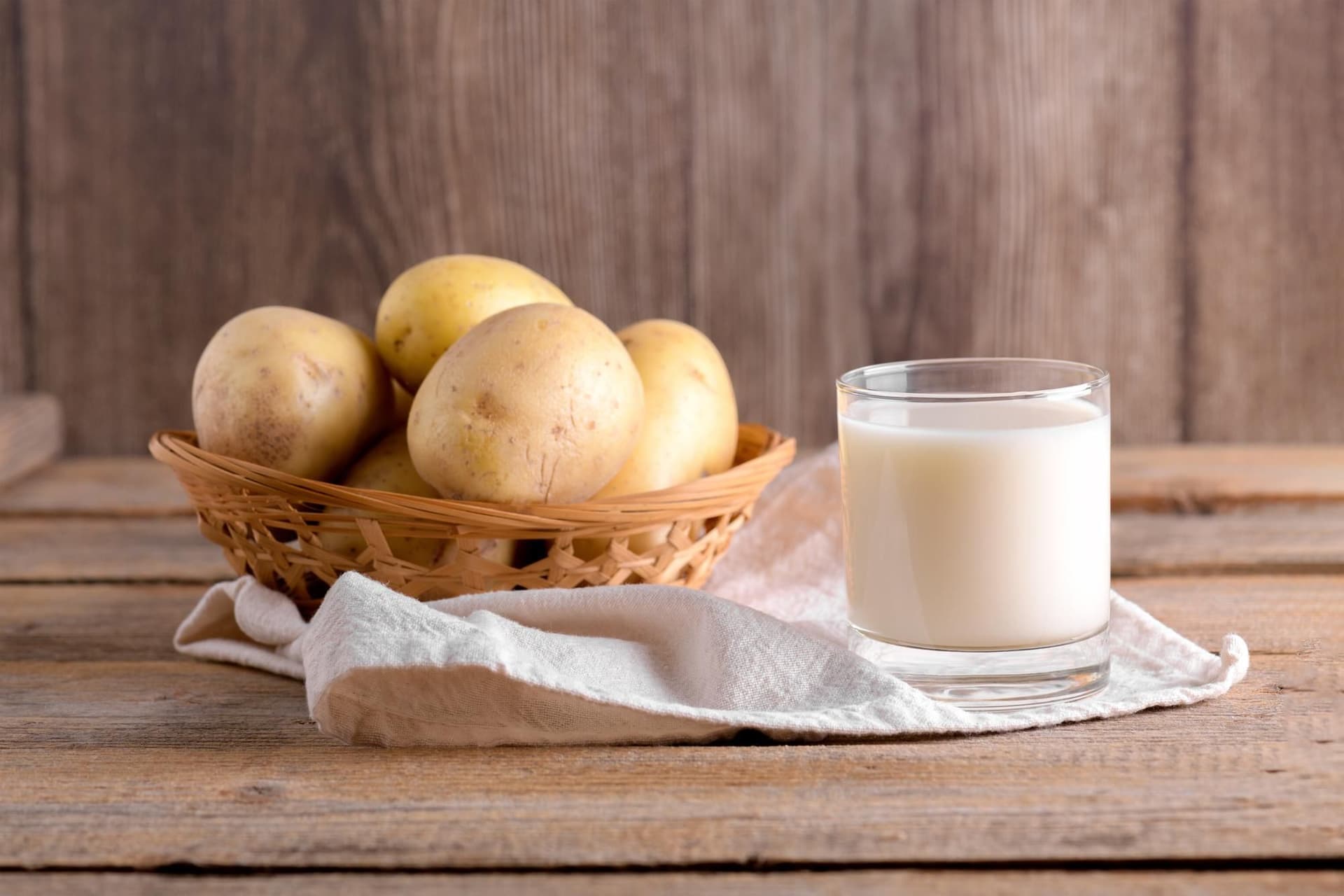
Potato milk may not be the first option that comes to mind when browsing the plant-based dairy aisle. But this humble root vegetable is making a case for itself as one of the most sustainable choices available. A Swedish company DUG is betting that potatoes deserve a spot at the table. The environmental data behind that bet is hard to ignore.
DUG's potato milk was developed following research conducted by Professor Eva Tornberg at Lund University. The brand currently offers three varieties: Original, Barista, and Unsweetened. The texture is described as white and milky, with a mild flavor. But it is the production footprint that sets it apart from its competitors.
How Sustainable Is Potato Milk?
According to DUG, potato milk requires more than 50 times less water to produce than almond milk. Growing potatoes for milk is twice as land-efficient as growing oats. For a category where environmental credentials are increasingly scrutinized, those numbers carry weight.
As CEO Thomas Olander explained to The Guardian, the decision to use potatoes as a base gives the product a sustainability advantage that few other plant milks can match.


Keep Plants Thriving
Get simple care guidance tailored to each plant’s needs in the app
Potato Milk vs Almond and Soy Milk
The comparison to almond milk is particularly striking. Almonds are notoriously resource-intensive: producing just one liter of almond milk requires approximately 371 liters of water, and around 80% of the world's almond supply is grown in California.
Almond farming has also drawn criticism for heavy pesticide use and its contribution to declining bee populations, given the scale of pollination required.
Soy milk carries its own reputation problem, largely due to its association with deforestation. However, research suggests that the vast majority of land cleared for soy cultivation is used to grow feed for livestock.
In fact, 80% of the global soy crop ends up as animal feed. The environmental burden attributed to soy milk is a misattribution of the costs of industrial animal agriculture.
How Plant-Based Milk Compares With Dairy
Regardless of which plant milk a person chooses, the environmental case for switching away from conventional dairy remains strong. Dairy production is one of the more carbon-intensive food systems in operation, generating three times more greenhouse gas emissions than plant-based alternatives.
Some critics raise concerns about food miles or the economic impact on local dairy farmers, and these are legitimate considerations worth weighing. But the aggregate environmental data consistently places dairy at a disadvantage compared to plant-based options across emissions, land use, and water consumption.

Nutritional Benefits of Potato Milk
Beyond its environmental profile, potato milk also brings a reasonable nutritional offering. Potatoes are a natural source of fiber, vitamin C, potassium, and magnesium. They also contain antioxidants that may help reduce the risk of certain chronic conditions, including some forms of cancer.
What makes potato milk an interesting proposition is not just any single metric but the combination of factors it brings together. It sidesteps the water problem that plagues almond milk, avoids the deforestation narrative attached to soy, and uses a crop that grows efficiently across a wide range of climates. It is also free from several of the most common allergens.
Whether potato milk becomes a mainstream staple or remains a niche product depends on how it performs in terms of taste, availability, and price. But as a proof of concept for what sustainable plant-based dairy can look like, DUG's approach suggests the industry still has room to innovate.

Alex Yar
Plant Expert
7+ years of experience studying plants, researching their diseases, and examining their characteristics.
Alex is a plant expert and writer with more than 7 years of experience studying plants, their growing requirements, and their responses to environmental conditions. His areas of expertise include plant care, disease recognition, stress diagnosis, pest-related problems, and the distinctive characteristics of different species.
Over the years, Alex has developed a strong practical understanding of how light, temperature, humidity, watering, soil conditions, and nutrition affect plant health. He combines careful observation with in-depth research to explain effective care and recovery methods.
Alex has extensive hands-on experience caring for houseplants. His articles translate complex botanical topics into clear guidance that helps you better understand your plants and recognize early warning signs.
Related Articles

2 min read · 22 Oct 2026
Texas Native Plant Week 2026 Highlights the Power of Local Plants
Texas is celebrating Native Plant Week from October 18 to 24, bringing attention to the wildflowers, grasses, and shrubs that support local wildlife and healthy ecosystems.
2 min read · 19 Oct 2026
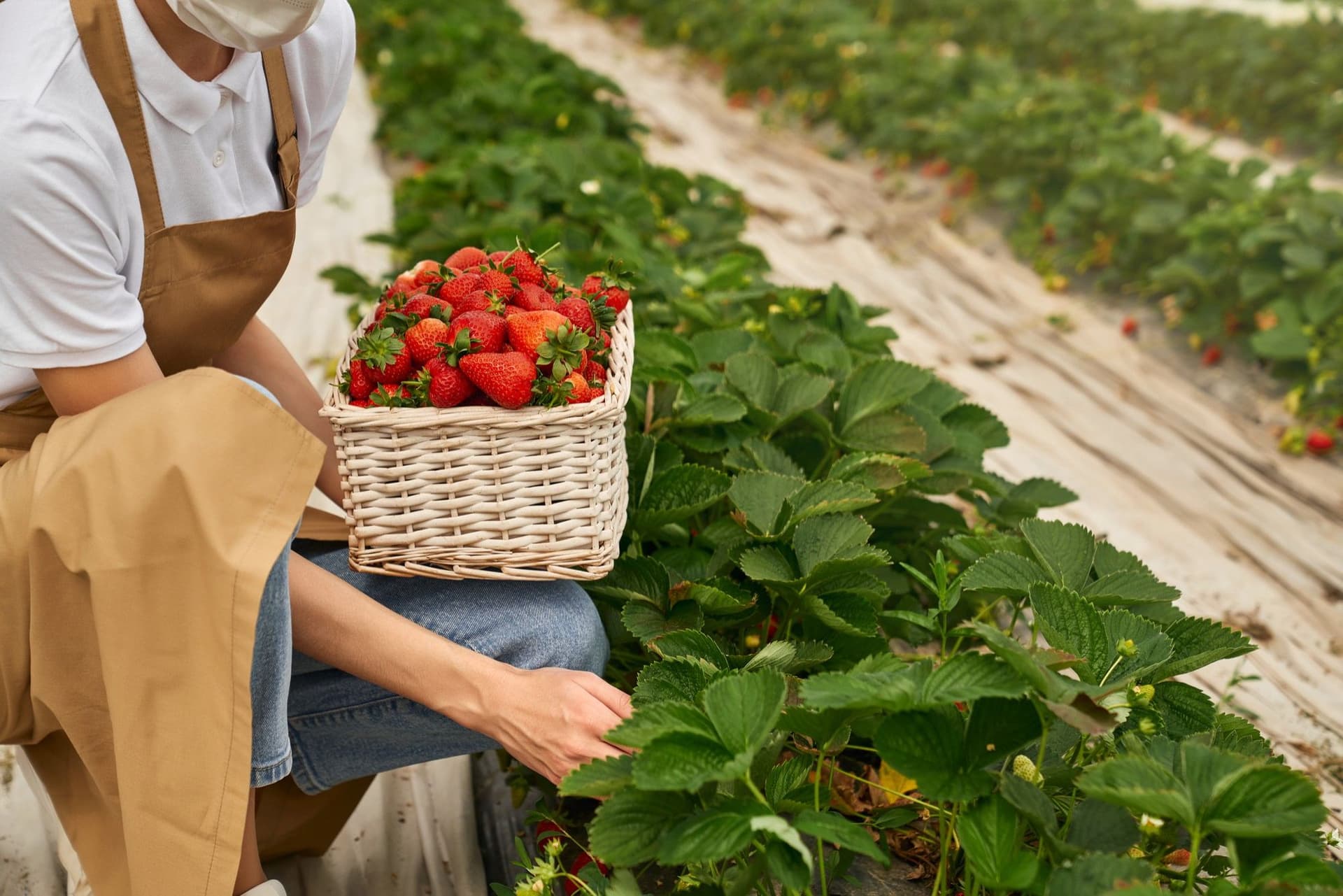
Scientists Develop Reusable Artificial Strawberry Stems to Improve Robotic Harvesting
Researchers have developed an artificial strawberry stem that can be cut, repaired, and reused during robotic harvesting tests.

2 min read · 15 Oct 2026
Over 2,000 Glowing Pumpkins to Light Up Springfield’s Washington Park This Weekend
More than 2,000 illuminated jack-o’-lanterns will transform Washington Park in Springfield, Illinois, into a Halloween attraction on October 16-17, 2026.
Explore Plants by Care Needs
-1-200x150.webp)
Identify the plant and problem. Help your plant recover
Identify plant problems early, understand what's wrong, and get clear care guidance. Botan helps you turn guesswork into confident plant care