Scientists Develop Reusable Artificial Strawberry Stems to Improve Robotic Harvesting
Researchers have developed an artificial strawberry stem that can be cut, repaired, and reused during robotic harvesting tests.
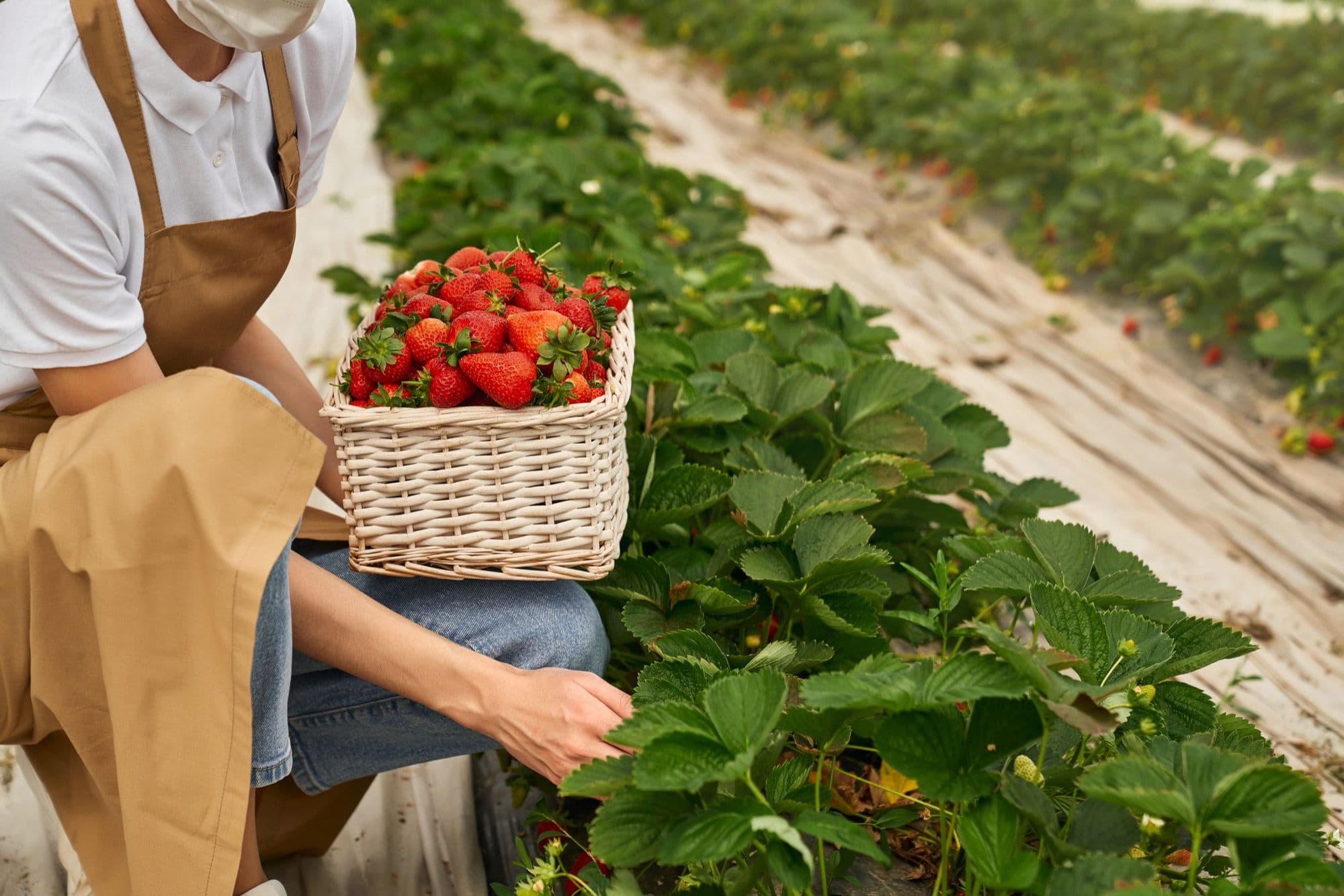
The innovation could help engineers improve automated fruit-picking systems without repeatedly using and damaging real plants. The findings were published on October 18, 2026, in a new study in Communications Engineering, part of Nature Portfolio.
How Artificial Strawberry Stems Work

Robots struggle to harvest strawberries because their soft fruit bruises easily, and their stems require precise cutting. Testing robotic equipment on real crops also creates waste and depends on access to growing plants.
To address these problems, researchers from institutions in Mexico, the United Kingdom, and Italy developed reusable stems using hot-melt adhesives.
The artificial stems can be cut and rejoined for repeated experiments. Researchers found that increasing their diameter to two or three times that of natural stems allowed them to reproduce similar bending behavior.
Keep Plants Thriving
Get simple care guidance tailored to each plant’s needs in the app
Why Strawberry Biology Makes Harvesting Difficult

Strawberries have another characteristic that makes careful harvesting especially important: they do not continue ripening after being picked.
According to the University of Georgia, harvesting strawberries at the correct maturity is essential for preserving their flavor and quality. Removing fruit too early can leave it without the sweetness expected from a ripe berry.
The University of California's agricultural experts also recommend leaving the green calyx and a short section of stem attached during harvesting to help extend shelf life.
What This Means for Strawberry Growers
The new artificial stems could make robotic harvesting research more consistent and reduce the need for fresh plant material during mechanical tests.
For gardeners, Botan emphasizes that the same principles apply to hand-picking: harvest ripe strawberries carefully, avoid squeezing them, and leave their green caps attached.

Anastasiia Vasylchyshyna
Botanist
5+ of botanical experience
Anastasiia Vasylchyshyna studied biology at Taras Shevchenko National University of Kyiv, at the Educational and Scientific Center "Institute of Biology and Medicine." That academic grounding shaped how she approaches every article: start with the science, end with something a plant owner can actually act on.
Over the years, she's written dozens of articles on plant care and plant pathology — covering everything from seasonal plant picks, garden prep, propagation and pruning guides, and the everyday mistakes that harm houseplants. Her goal isn't just to answer a question, but to help readers understand why a plant behaves the way it does, so they can spot problems on their own next time.
Related Articles
2 min read · 15 Oct 2026
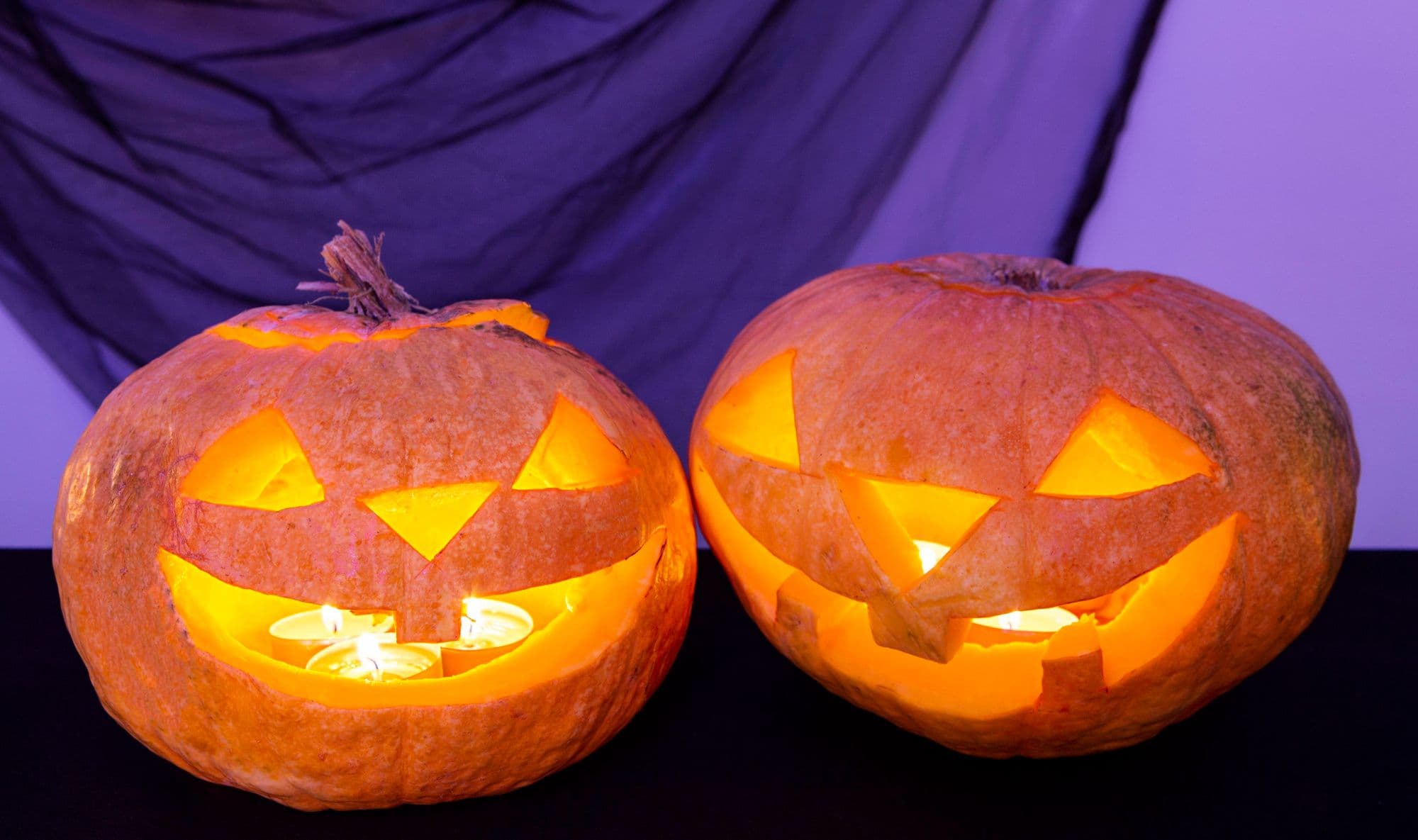
Over 2,000 Glowing Pumpkins to Light Up Springfield’s Washington Park This Weekend
More than 2,000 illuminated jack-o’-lanterns will transform Washington Park in Springfield, Illinois, into a Halloween attraction on October 16-17, 2026.
2 min read · 12 Oct 2026
Stronger Stems Help Modern Soybeans Produce Higher Yields
Modern soybean varieties can produce higher yields partly because their stems are stronger and less likely to bend or fall over.

2 min read · 8 Oct 2026
Australia’s Wildfire Crisis May Have Roots in Colonial Land Changes
A new study suggests that the danger posed by bushfires in southeastern Australia cannot be explained by rising temperatures alone.
Explore Plants by Care Needs
Identify the plant and problem. Help your plant recover
Identify plant problems early, understand what's wrong, and get clear care guidance. Botan helps you turn guesswork into confident plant care