Australia’s Wildfire Crisis May Have Roots in Colonial Land Changes
A new study suggests that the danger posed by bushfires in southeastern Australia cannot be explained by rising temperatures alone.
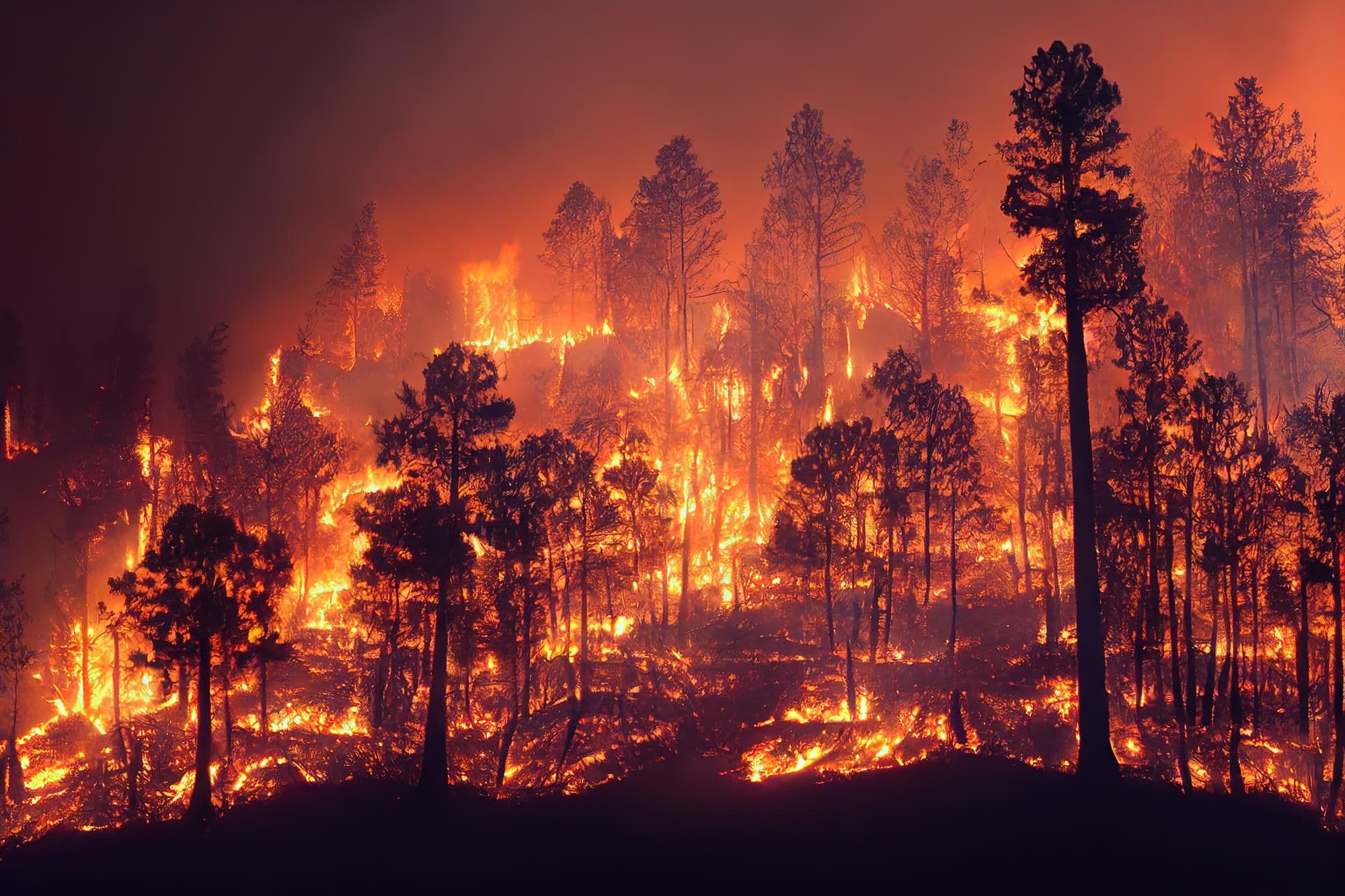
Researchers found that the disruption of Indigenous land management after British colonization reshaped vegetation, making some landscapes more vulnerable to intense fire.
A Thousand Years of Fire History
Published in Nature, the study led by University of Melbourne researchers and conducted with the Gunaikurnai Land and Waters Aboriginal Corporation reconstructed 1,000 years of environmental change in Croajingolong National Park, Victoria. The team examined pollen and charcoal preserved in sediments from Purghagoolah (Lake Elusive), alongside evidence of past environmental conditions.
For centuries before colonization, Gunaikurnai cultural burning helped maintain relatively open woodland through frequent, carefully managed, low-temperature fires. After these practices were disrupted, the researchers identified hotter fires, greater soil erosion and a fourfold increase in eucalypt cover. The landscape gradually shifted towards denser forest.


Fix Plant Problems
Leaves turning yellow or falling off? Find the cause and solutions
Why Plant Recovery Matters
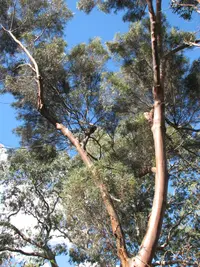
Eucalypts are not all affected by fire in the same way. Some survive by producing new shoots from dormant buds protected beneath their bark or near their roots. Others depend much more heavily on seeds to regenerate.
According to guidance on post-bushfire vegetation recovery from the NSW Biodiversity Conservation Trust, these contrasting strategies help explain why the composition of a burnt landscape can change over time.
For Botan readers, the important distinction is between plant survival and ecosystem recovery. Green shoots on a scorched eucalyptus trunk can signal that an individual tree is recovering, but they do not necessarily show that the surrounding woodland has regained its previous diversity, structure or fire resilience.

Anastasiia Vasylchyshyna
Botanist
5+ of botanical experience
Anastasiia Vasylchyshyna studied biology at Taras Shevchenko National University of Kyiv, at the Educational and Scientific Center "Institute of Biology and Medicine." That academic grounding shaped how she approaches every article: start with the science, end with something a plant owner can actually act on.
Over the years, she's written dozens of articles on plant care and plant pathology — covering everything from seasonal plant picks, garden prep, propagation and pruning guides, and the everyday mistakes that harm houseplants. Her goal isn't just to answer a question, but to help readers understand why a plant behaves the way it does, so they can spot problems on their own next time.
Related Articles
2 min read · 5 Oct 2026
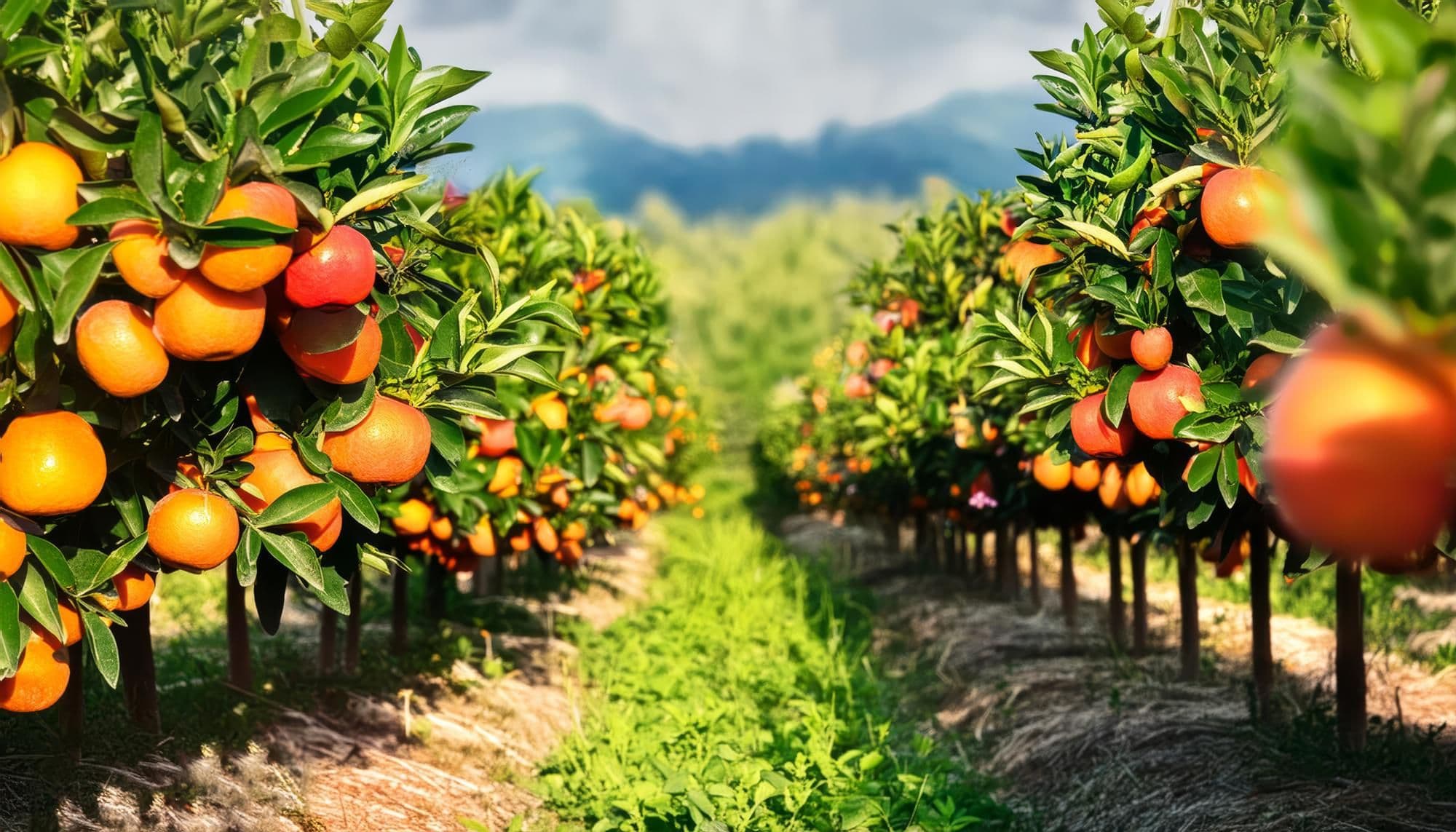
Why West Michigan’s Fruit Ridge Is Almost Made for Growing Fruit
A narrow strip of land northwest of Grand Rapids has become one of Michigan’s most important fruit-growing regions because geology, elevation and climate happen to work together in growers’ favor.
1 min read · 2 Oct 2026
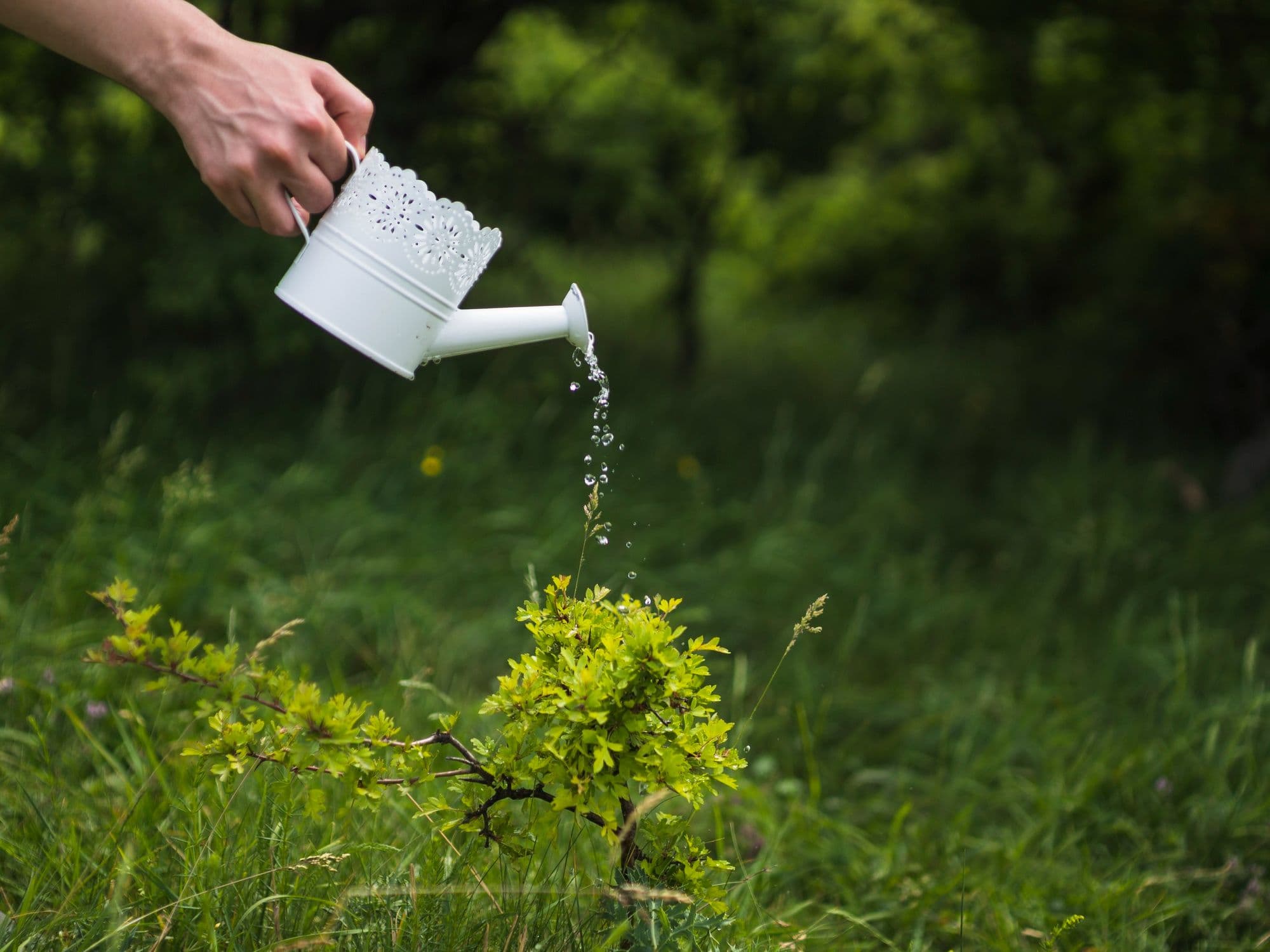
Berlin’s Open-Source Tree Map Mobilizes 12,000 Volunteers to Water Urban Trees
Berlin residents are using an open-source digital map to help protect the city’s trees after increasingly hot and dry summers.
1 min read · 30 Sept 2026
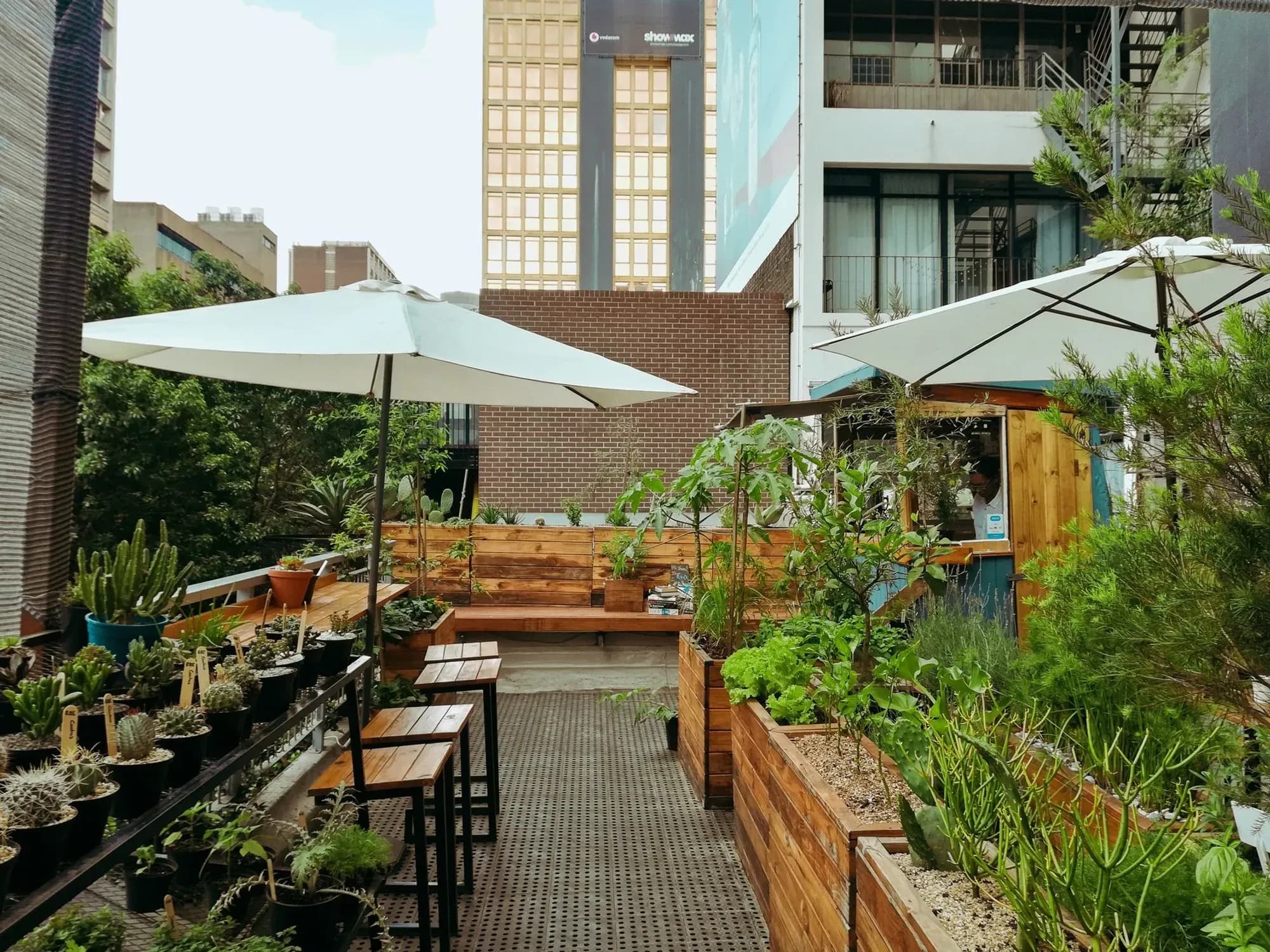
Johannesburg Rooftop Garden Turns High-Rise Space Into a Hydroponic Food Source
A rooftop above a residential high-rise in Johannesburg’s Hillbrow district is being used to grow fresh vegetables hydroponically, showing how unused urban space can support local food production.
Explore Plants by Care Needs

Identify the plant and problem. Help your plant recover
Identify plant problems early, understand what's wrong, and get clear care guidance. Botan helps you turn guesswork into confident plant care