Growing Medicinal Plants Under Trees May Reduce Fungal Diseases, Study Finds
Scientists in China found that forest-based cultivation reduced gray mold infections in Panax notoginseng, a valuable medicinal plant used in traditional Chinese medicine.
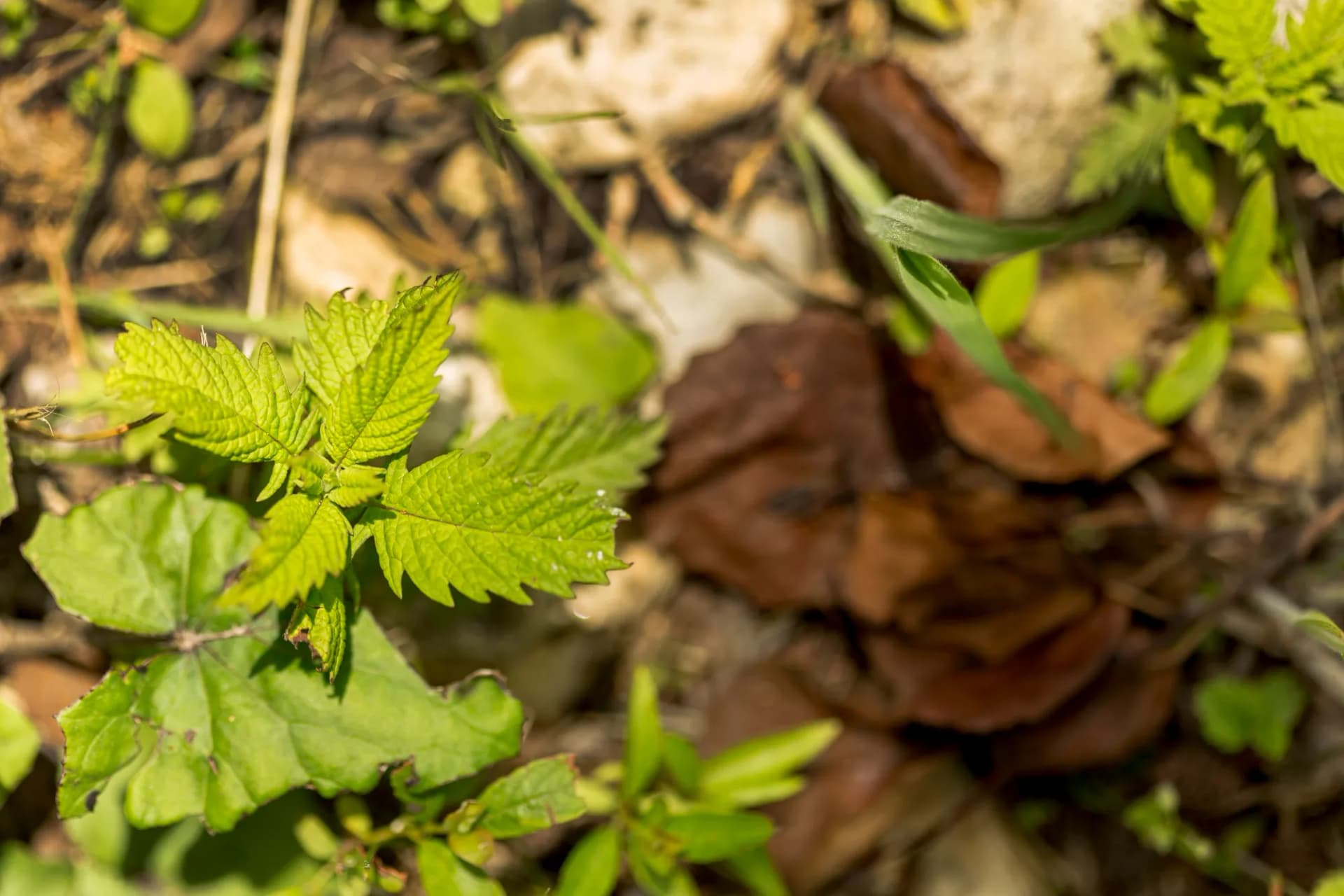
The findings suggest that growing conditions can influence not only plant health but also the microorganisms living on leaves.
How Growing Under Trees Helps Prevent Plant Diseases
A new study published in Phytopathology Research compared Panax notoginseng grown beneath forest trees like Acer saccharum with plants cultivated in open fields.
Researchers monitored gray mold infections across five regions of China's Yunnan Province. The disease, caused by Botrytis cinerea, can damage leaves and reduce crop productivity.
Plants grown under trees showed significantly lower disease rates and less severe symptoms throughout the monitoring period.
Scientists also examined the fungal communities living on plant leaves. They discovered that forest-grown plants supported a more diverse fungal community, with fewer potentially harmful fungi, including Botrytis, Alternaria, and Colletotrichum.
Laboratory experiments confirmed that mixtures of these compounds could inhibit the growth of Botrytis cinerea.

Fix Plant Problems
Leaves turning yellow or falling off? Find the cause and solutions
Why Shade Alone Cannot Prevent Fungal Infections
Although the study highlights the benefits of forest-based cultivation, growing plants in shade does not automatically prevent fungal diseases.
According to the University of California's Integrated Pest Management Program, gray mold often develops in crowded, shaded environments with poor air circulation. High humidity and wet leaves create favorable conditions for fungal spores to infect plants.
The University of Maryland Extension also recommends improving airflow, reducing leaf wetness, and removing infected plant material to help control gray mold.
What Does This Mean for Plant Growers?
The findings suggest that carefully designed agroforestry systems could offer a more sustainable way to manage fungal diseases in medicinal crops.
However, further research is needed to determine whether similar benefits occur in other plant species.
Found this helpful?
Add Botan as a preferred source on Google.

Anastasiia Vasylchyshyna
Botanist
5+ of botanical experience
A biologist by training and a botanist by calling, Anastasiia turns scientific knowledge into practical advice anyone can use to keep their plants healthy and thriving.
Related Articles
2 min read · 17 Nov 2026
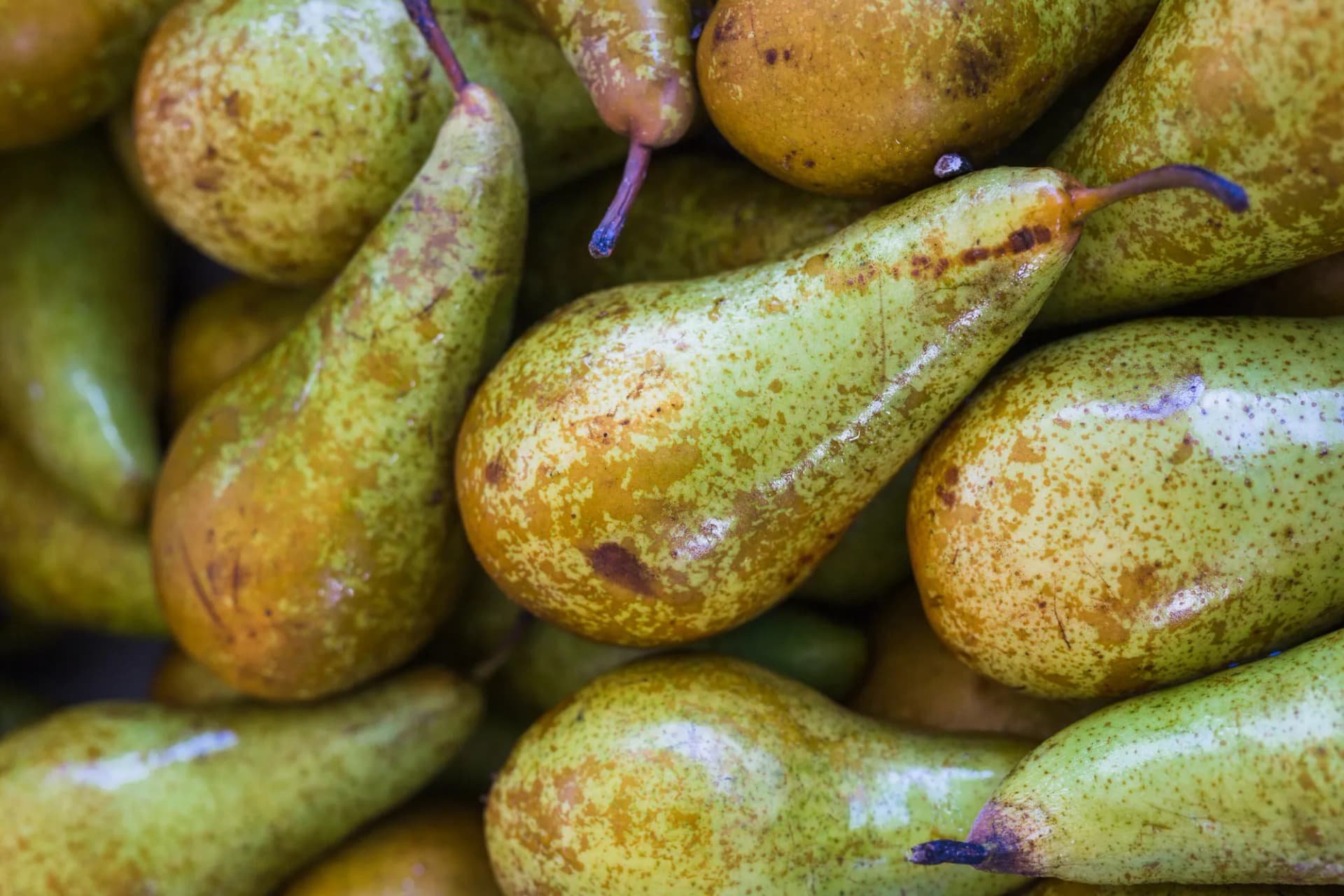
Climate Change Could Increase Fungal Disease Risk in European Pear Orchards
Climate change could make a damaging fungal disease more common in Europe's pear-growing regions, according to new research.

2 min read · 10 Nov 2026
Kew Scientists Call for Stronger Plant and Forest Protection at COP31
Scientists at the Royal Botanic Gardens, Kew, are calling for closer cooperation between climate action and nature conservation as the COP31 climate conference begins in Antalya, Türkiye.
2 min read · 9 Nov 2026
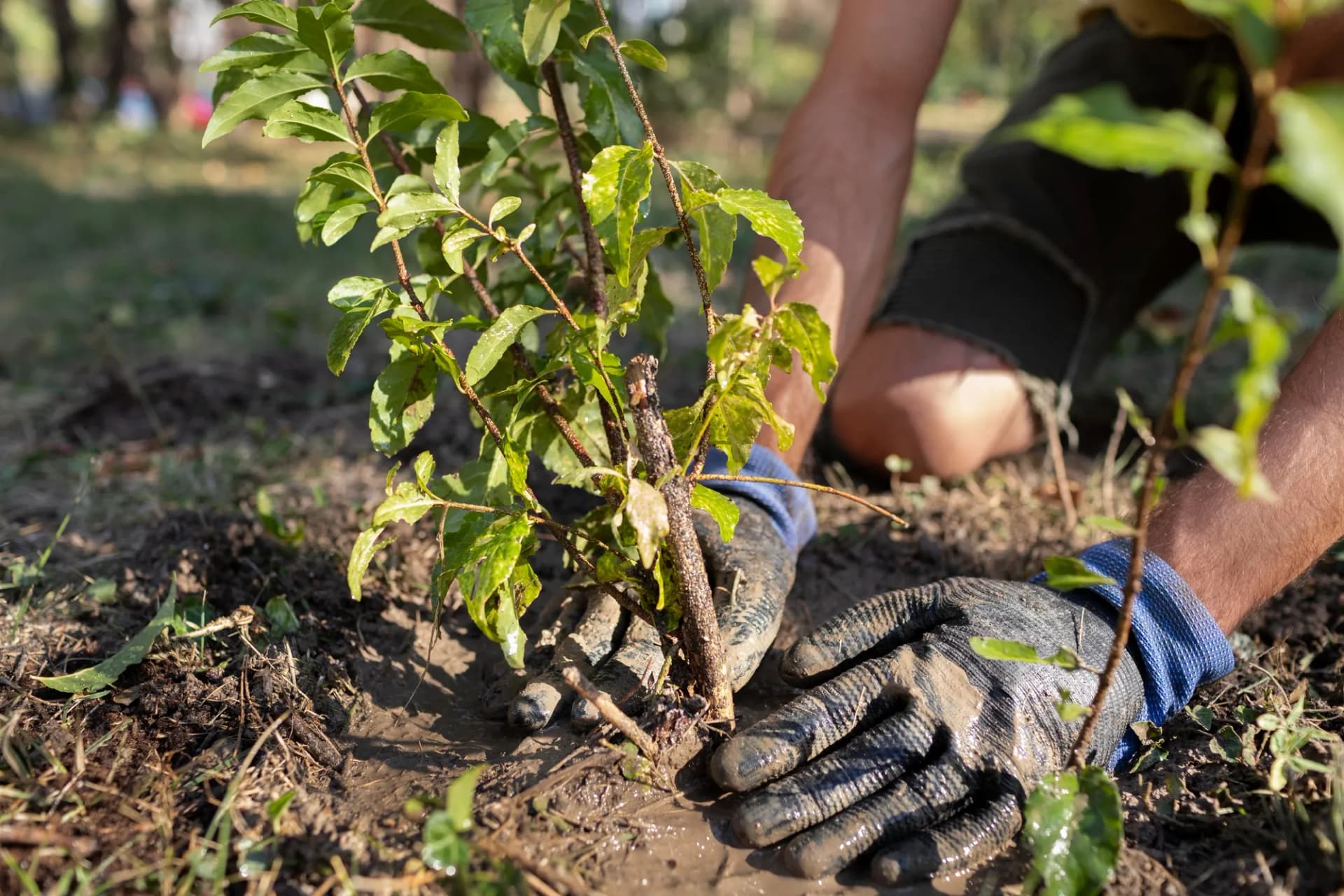
Romania Sets Guinness World Record as 2,512 Volunteers Plant Trees Together
Romania has set a new Guinness World Record after 2,512 people planted trees simultaneously on November 7, 2026.
Discover More Medicinal Plants

Identify the plant and problem. Help your plant recover
Identify plant problems early, understand what's wrong, and get clear care guidance. Botan helps you turn guesswork into confident plant care