Kew Scientists Call for Stronger Plant and Forest Protection at COP31
Scientists at the Royal Botanic Gardens, Kew, are calling for closer cooperation between climate action and nature conservation as the COP31 climate conference begins in Antalya, Türkiye.

Scientists warn that protecting plants, forests, and biodiversity is essential for helping ecosystems survive rising temperatures and other environmental threats.
Kew Highlights the Role of Plants in Climate Protection
In an official statement released on November 9, Kew outlined how its research supports forest restoration, biodiversity conservation, and climate adaptation.
One important area is understanding how trees respond to drought, pests, and diseases. Researchers are studying which species can survive changing conditions and how genetic diversity can help forests remain healthy.
Another priority is protecting wild relatives of crops. These plants may contain useful traits, such as drought tolerance, that could help scientists develop more resilient food crops.


Keep Plants Thriving
Get simple care guidance tailored to each plant’s needs in the app
Why Plant Diversity Matters for a Changing Climate
According to the Intergovernmental Panel on Climate Change (IPCC), restoring damaged ecosystems, protecting natural habitats, and reducing environmental pressures can improve biodiversity's resilience to climate change.
Different plant species respond differently to heat, drought, and disease. A forest containing a variety of suitable species may therefore be better prepared for environmental changes than one depending heavily on a single species.
The IPBES Nexus Assessment also highlights the close connections between biodiversity, water, food production, and human health.

What Happens Next?
At COP31, Kew hopes to encourage greater investment in plant conservation, forest protection, and scientific monitoring.
Its work demonstrates why climate planning should consider entire ecosystems rather than focusing only on carbon emissions.
For cities, farms, and natural forests, choosing suitable plant species and protecting existing biodiversity could become increasingly important as climate conditions continue to change.
Found this helpful?
Add Botan as a preferred source on Google.

Anastasiia Vasylchyshyna
Botanist
5+ of botanical experience
A biologist by training and a botanist by calling, Anastasiia turns scientific knowledge into practical advice anyone can use to keep their plants healthy and thriving.
Related Articles
2 min read · 9 Nov 2026
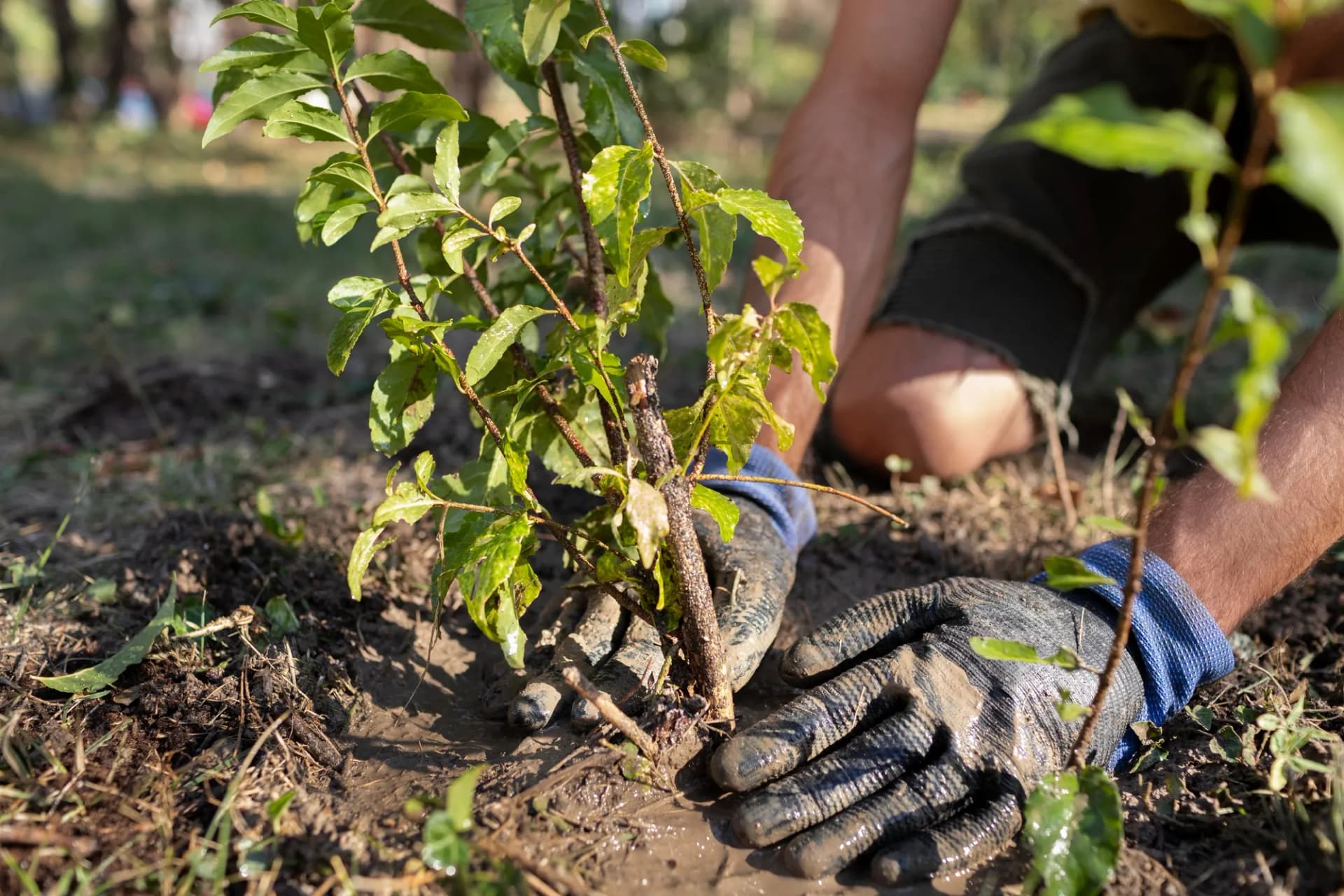
Romania Sets Guinness World Record as 2,512 Volunteers Plant Trees Together
Romania has set a new Guinness World Record after 2,512 people planted trees simultaneously on November 7, 2026.

2 min read · 3 Nov 2026
Scientists Explore How Plants Could Detect Environmental Pollution
Plants may soon do more than absorb sunlight and grow!
2 min read · 2 Nov 2026
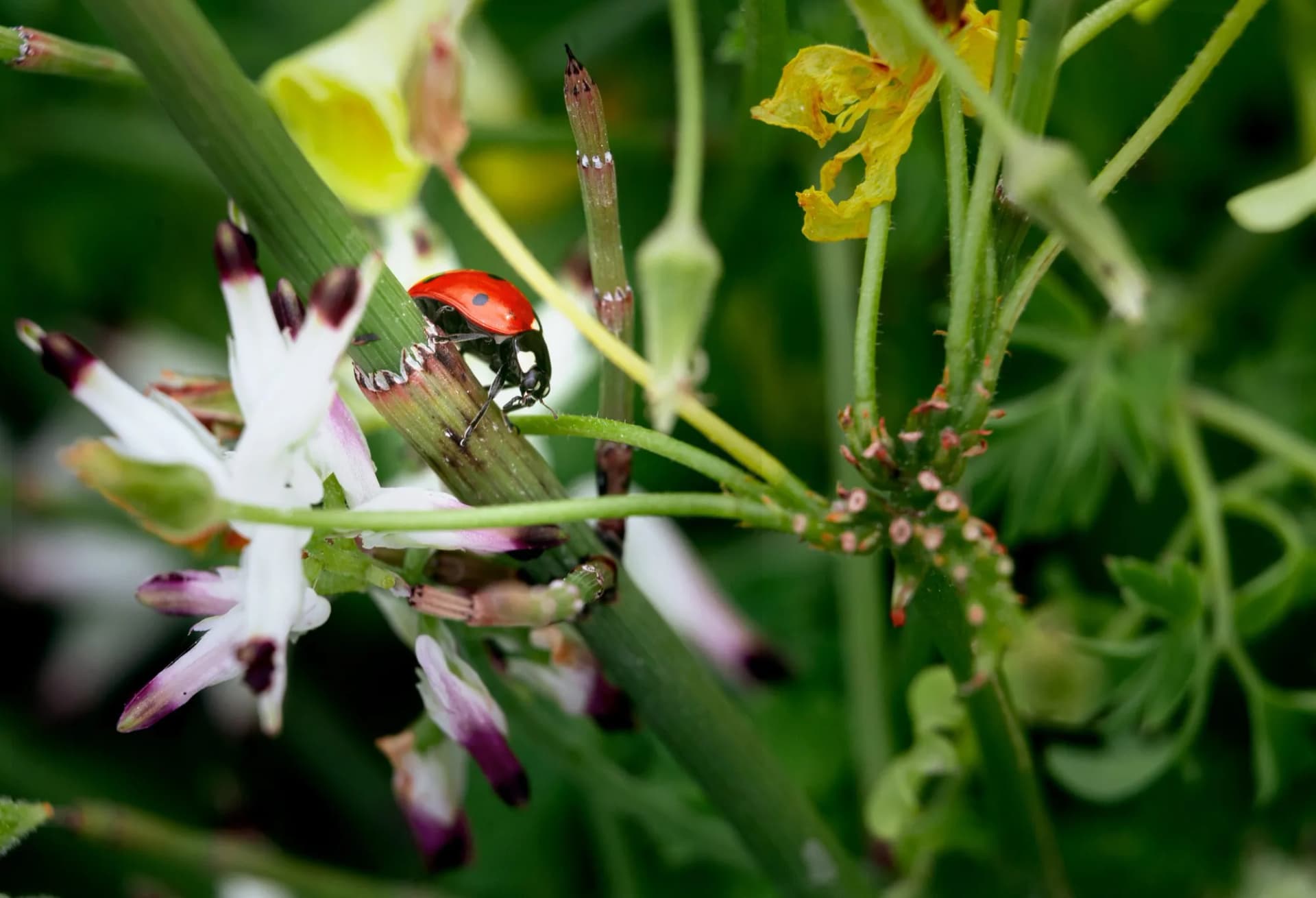
Not All Garden Insects Are Pests, Oklahoma State University Experts Explain
Many gardeners see insects as a threat to their plants, but some of these small creatures help gardens stay healthy.
Explore Trees with Botan App



Identify the plant and problem. Help your plant recover
Identify plant problems early, understand what's wrong, and get clear care guidance. Botan helps you turn guesswork into confident plant care