Not All Garden Insects Are Pests, Oklahoma State University Experts Explain
Many gardeners see insects as a threat to their plants, but some of these small creatures help gardens stay healthy.
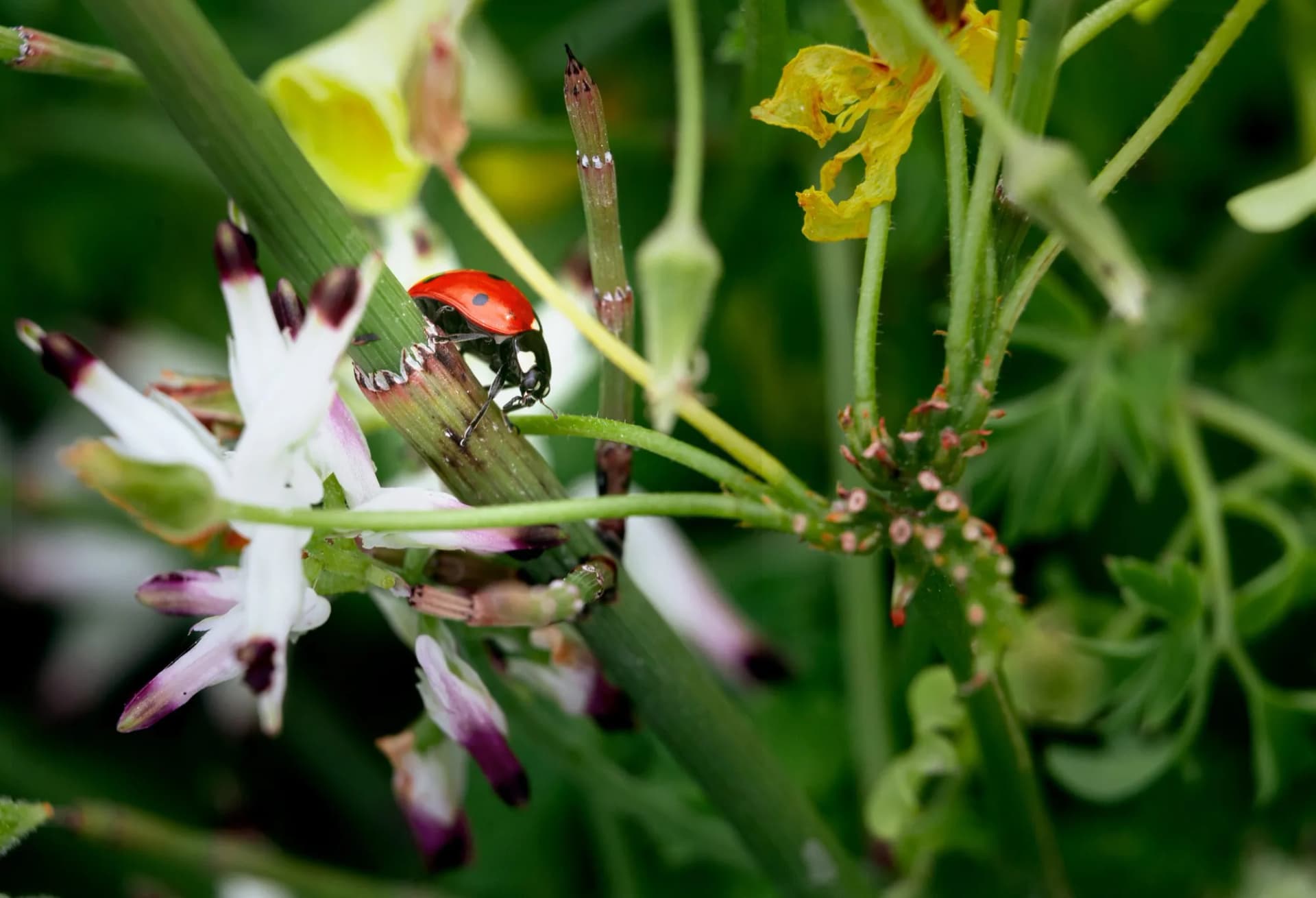
Oklahoma State University experts highlighted the importance of beneficial insects in natural pest control and plant protection.
According to the Oklahoma State University Extension report, less than 1% of insect species are considered pests. Many others play useful roles, from pollinating flowers to feeding on insects that damage plants.
Small Predators That Protect Garden Plants
Ladybugs are among the most familiar garden helpers. Both adults and larvae eat pests such as aphids, mites, and whiteflies. Their larvae look quite different from adult ladybugs, which means gardeners sometimes mistake them for harmful insects.
Green lacewings are another example. While adults feed on nectar and pollen, their larvae hunt aphids, thrips, mealybugs, and other small pests.
Parasitic wasps also help control pest populations by laying eggs inside or on other insects. Spiders, assassin bugs, and praying mantises contribute to natural pest control, although some also catch beneficial insects.

Keep Plants Thriving
Get simple care guidance tailored to each plant’s needs in the app
Why Ants Can Make Aphid Problems Worse
One important detail is that not every insect interaction benefits plants.
The University of California explains that ants sometimes protect aphids from predators because they feed on honeydew, a sugary substance produced by these pests.

How to Attract More Beneficial Insects
Plant selection can make a difference. Flowers such as sweet alyssum, dill, and coriander provide food and habitat for beneficial insects.
Gardeners can also leave some fallen leaves and sheltered areas where useful insects may spend the winter. Avoiding unnecessary pesticide treatments helps protect these natural predators.
For plant owners, the main lesson is simple: finding an insect does not automatically mean a plant is in danger. Identifying the visitor and checking for actual damage can help determine whether treatment is necessary.

Anastasiia Vasylchyshyna
Botanist
5+ of botanical experience
Anastasiia Vasylchyshyna studied biology at Taras Shevchenko National University of Kyiv, at the Educational and Scientific Center "Institute of Biology and Medicine." That academic grounding shaped how she approaches every article: start with the science, end with something a plant owner can actually act on.
Over the years, she's written dozens of articles on plant care and plant pathology — covering everything from seasonal plant picks, garden prep, propagation and pruning guides, and the everyday mistakes that harm houseplants. Her goal isn't just to answer a question, but to help readers understand why a plant behaves the way it does, so they can spot problems on their own next time.
Related Articles
2 min read · 27 Oct 2026
Scientists Discover How Drought-Tolerant Plants Recover After Watering
Scientists have discovered how a drought-tolerant plant repairs the tiny structures responsible for photosynthesis after a long period without water.
2 min read · 26 Oct 2026
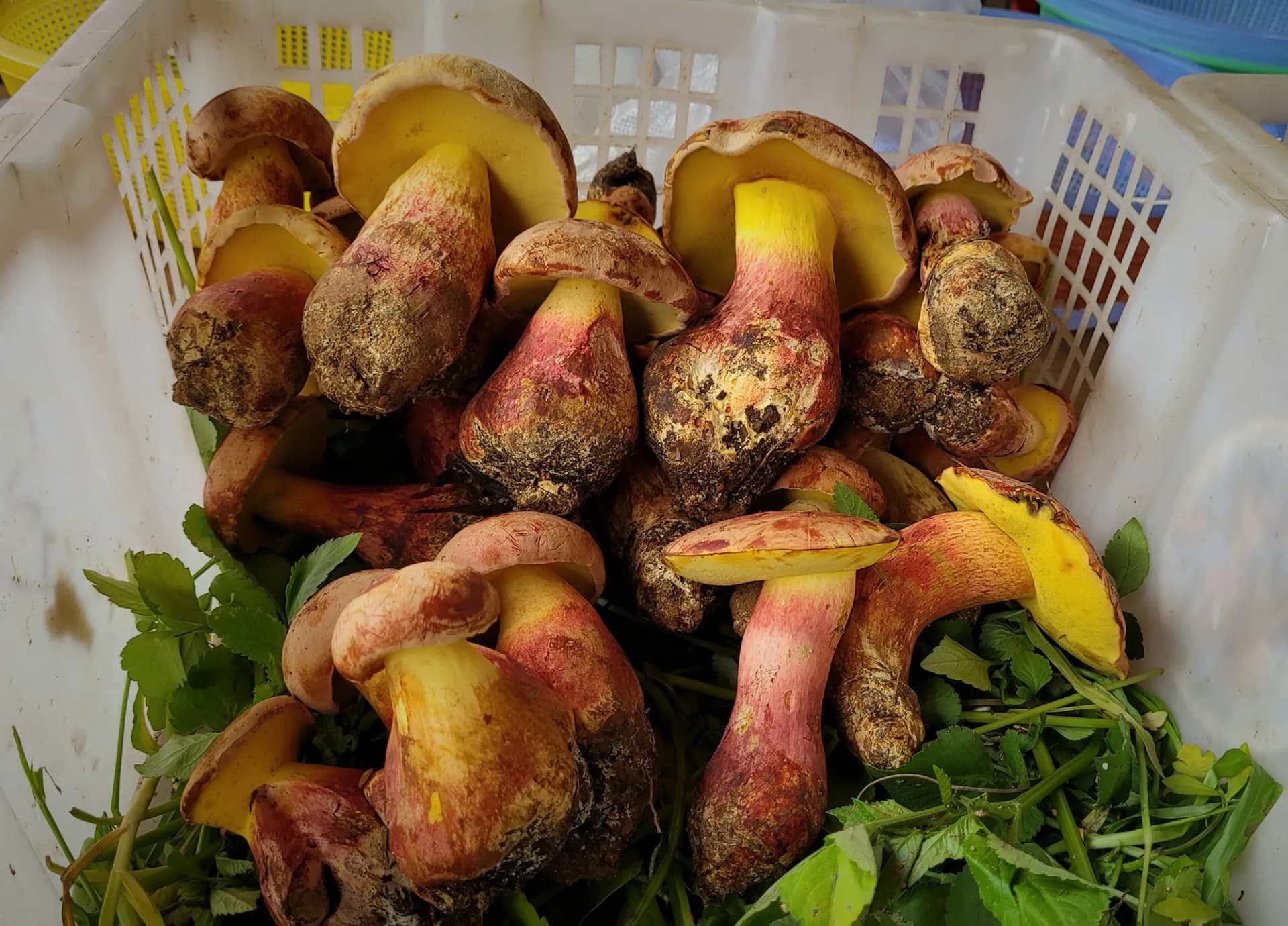
Scientists Link Mysterious Tiny-People Hallucinations to a Mushroom Species
A mushroom found in China and the Philippines may explain a strange mystery: why some people see dozens of tiny human figures after eating certain wild fungi.
2 min read · 22 Oct 2026
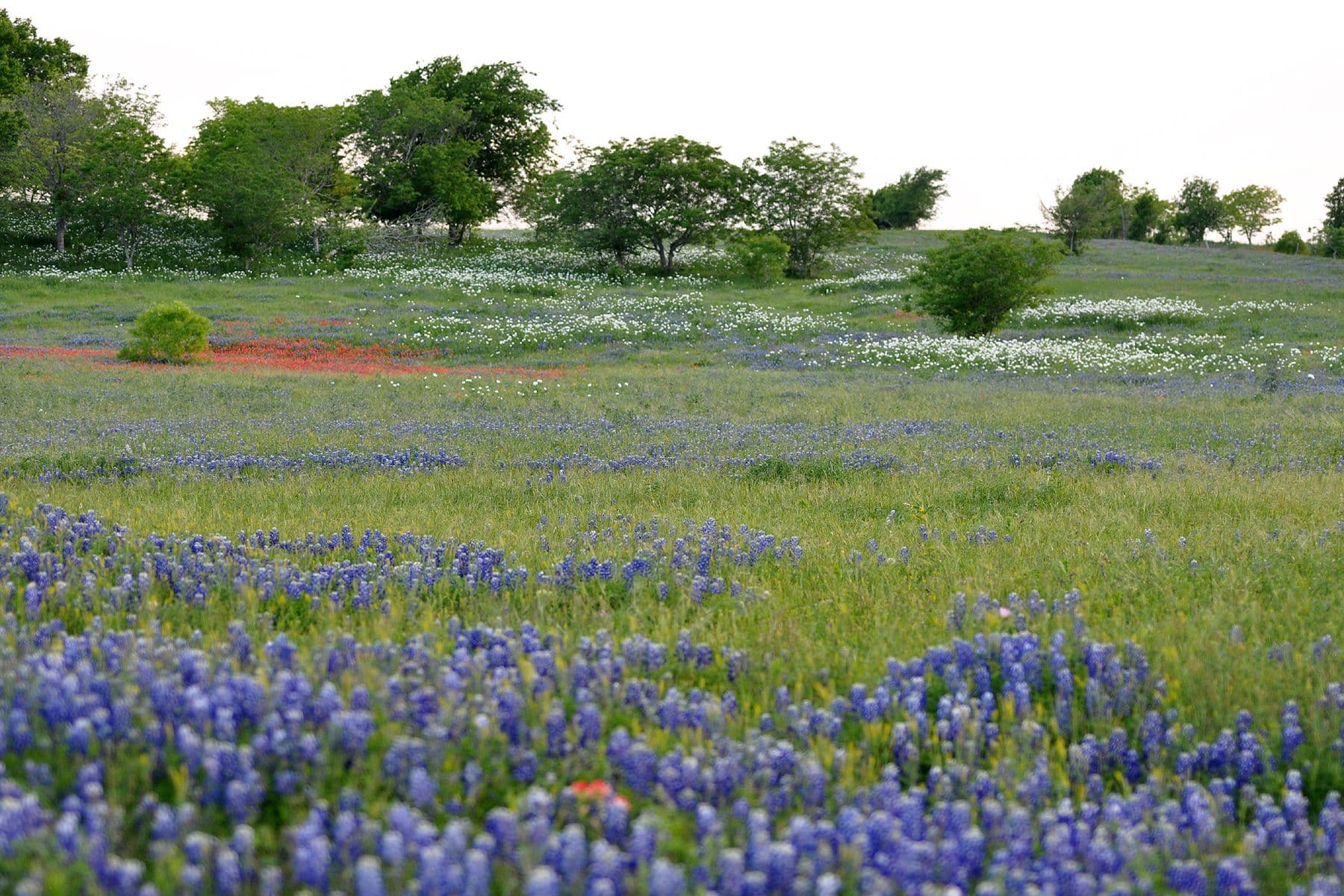
Texas Native Plant Week 2026 Highlights the Power of Local Plants
Texas is celebrating Native Plant Week from October 18 to 24, bringing attention to the wildflowers, grasses, and shrubs that support local wildlife and healthy ecosystems.
Explore Plants by Care Needs
Identify the plant and problem. Help your plant recover
Identify plant problems early, understand what's wrong, and get clear care guidance. Botan helps you turn guesswork into confident plant care