Scientists Link Mysterious Tiny-People Hallucinations to a Mushroom Species
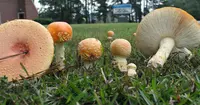
A mushroom found in China and the Philippines may explain a strange mystery: why some people see dozens of tiny human figures after eating certain wild fungi.
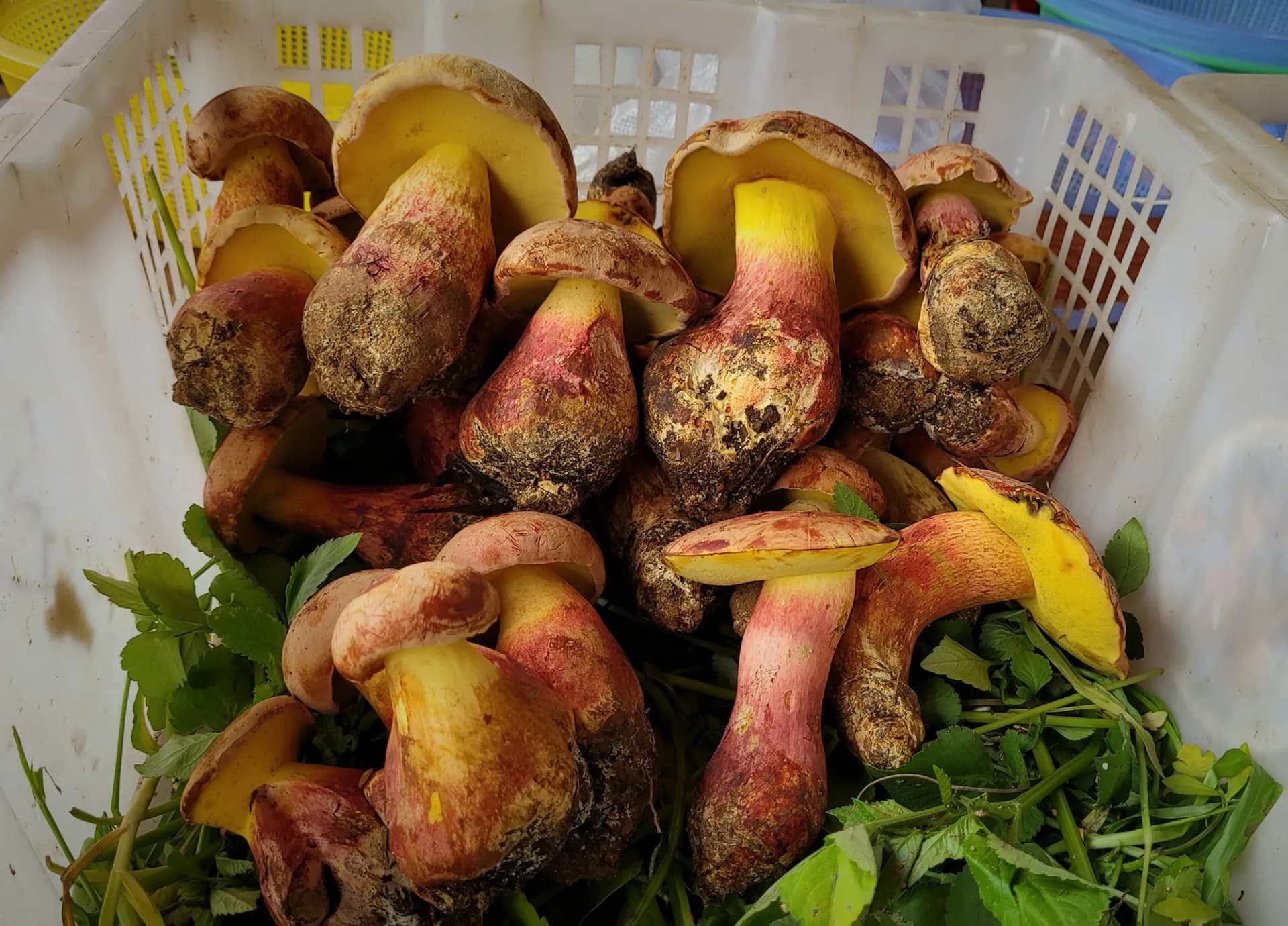
Researchers at the University of Utah have linked these unusual experiences to Lanmaoa asiatica, a species whose psychoactive chemistry remains largely unknown.
DNA Testing Solves Part of a Long-Standing Mystery
According to a report published by ScienceDaily, researchers Colin Domnauer and Bryn Dentinger used genetic analysis to investigate the mushroom genus Lanmaoa.
Their findings connected mushrooms known locally as "Jian shou qing" in China's Yunnan province and "Sedesdem" in the northern Philippines to the same species, Lanmaoa asiatica.
People in both regions have reported seeing miniature human figures after consuming insufficiently cooked mushrooms. These experiences, known as Lilliputian hallucinations, sometimes involve figures appearing to walk across furniture or move around everyday objects.

Identify Your Plant
Scan the plant and get a result with 98% accuracy
Scientists Suspect an Unknown Psychoactive Compound
Unlike familiar psychedelic mushrooms (for example, Psilocybe cubensis or Psilocybe semilanceata), Lanmaoa asiatica does not appear to rely on psilocybin.
Researchers found no genes responsible for producing certain known hallucinogenic compounds, suggesting that an unidentified substance may explain the unusual effects.
The genetic investigation examined 53 specimens and recognized 17 Lanmaoa species, including four previously unknown to science.
However, the suspected psychoactive chemical has not been isolated. Scientists still cannot explain how it affects human perception.

Some Notes About Wild Mushroom Identification
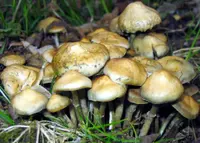
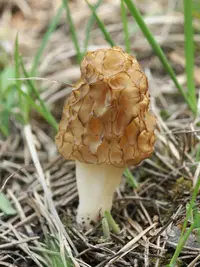
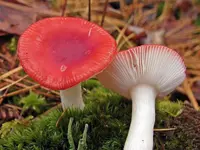
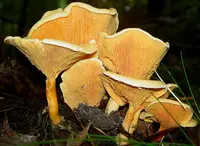
Beyond the unusual hallucinations, the discovery highlights an important challenge in identifying wild fungi.
Mushrooms can share similar colors, shapes, and other visible features while belonging to different species. Botan emphasizes that visual identification is a useful starting point for learning about fungal diversity, but it should never replace expert verification before consumption.

Anastasiia Vasylchyshyna
Botanist
5+ of botanical experience
Anastasiia Vasylchyshyna studied biology at Taras Shevchenko National University of Kyiv, at the Educational and Scientific Center "Institute of Biology and Medicine." That academic grounding shaped how she approaches every article: start with the science, end with something a plant owner can actually act on.
Over the years, she's written dozens of articles on plant care and plant pathology — covering everything from seasonal plant picks, garden prep, propagation and pruning guides, and the everyday mistakes that harm houseplants. Her goal isn't just to answer a question, but to help readers understand why a plant behaves the way it does, so they can spot problems on their own next time.
Related Articles
2 min read · 22 Oct 2026
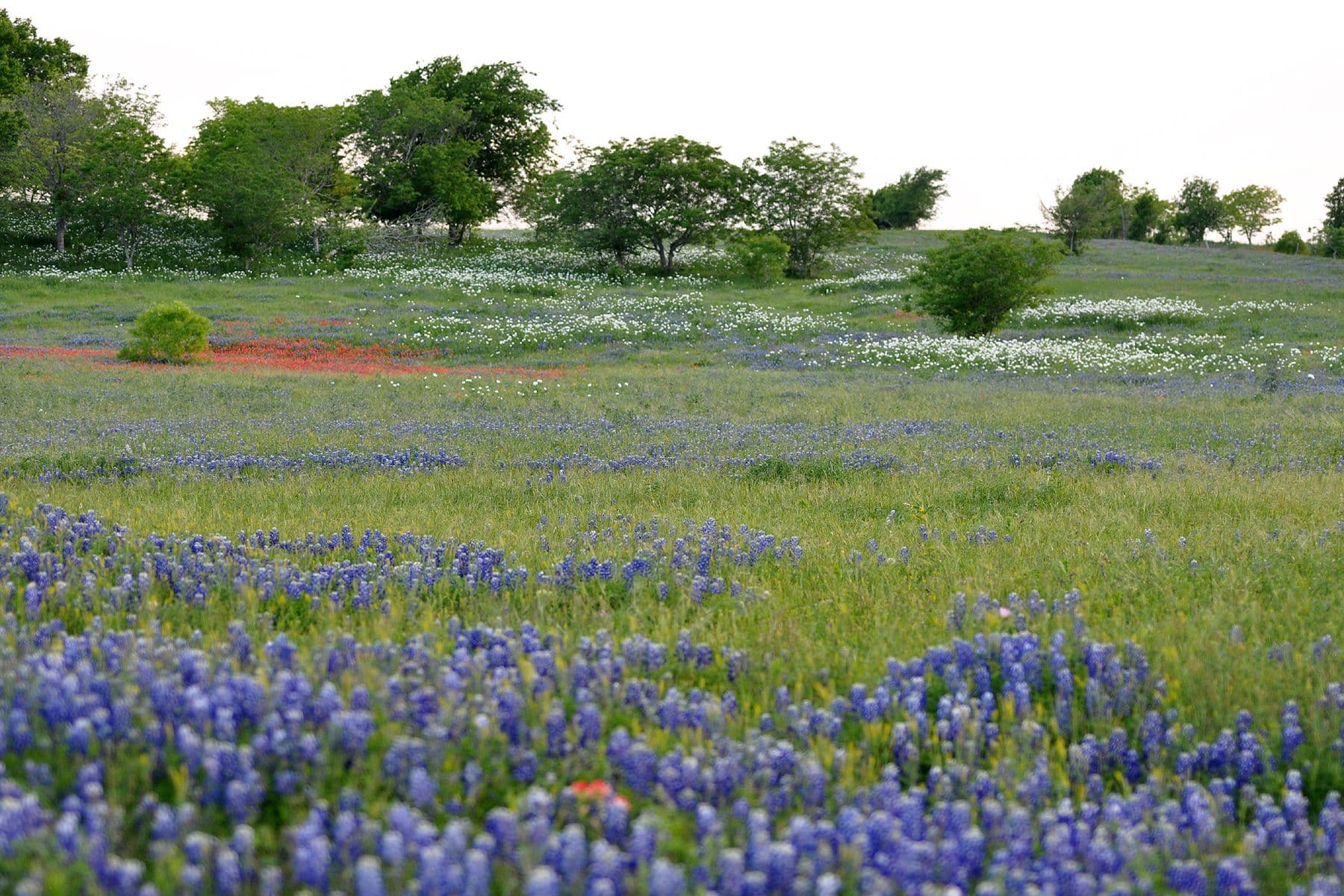
Texas Native Plant Week 2026 Highlights the Power of Local Plants
Texas is celebrating Native Plant Week from October 18 to 24, bringing attention to the wildflowers, grasses, and shrubs that support local wildlife and healthy ecosystems.
2 min read · 19 Oct 2026
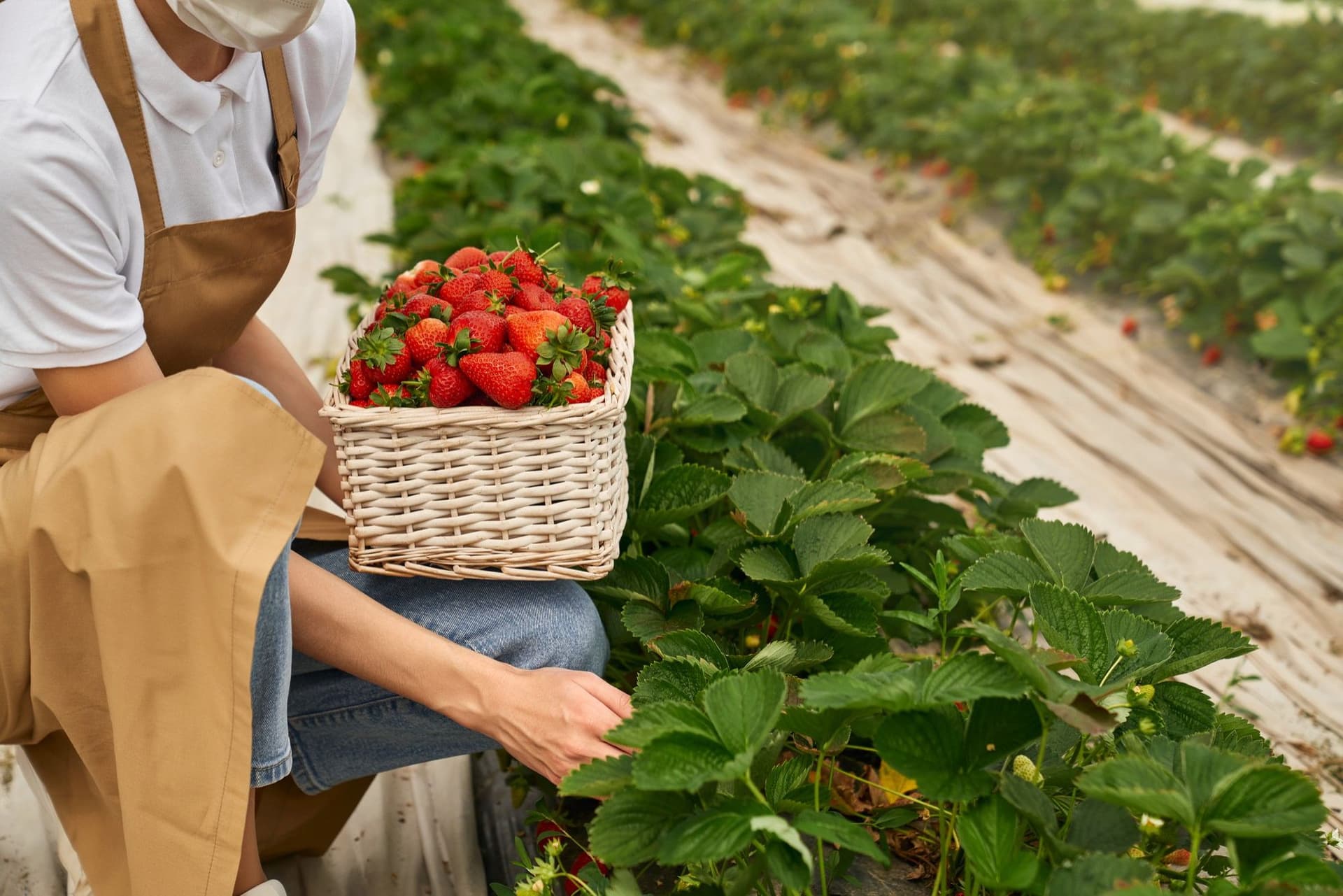
Scientists Develop Reusable Artificial Strawberry Stems to Improve Robotic Harvesting
Researchers have developed an artificial strawberry stem that can be cut, repaired, and reused during robotic harvesting tests.
2 min read · 15 Oct 2026
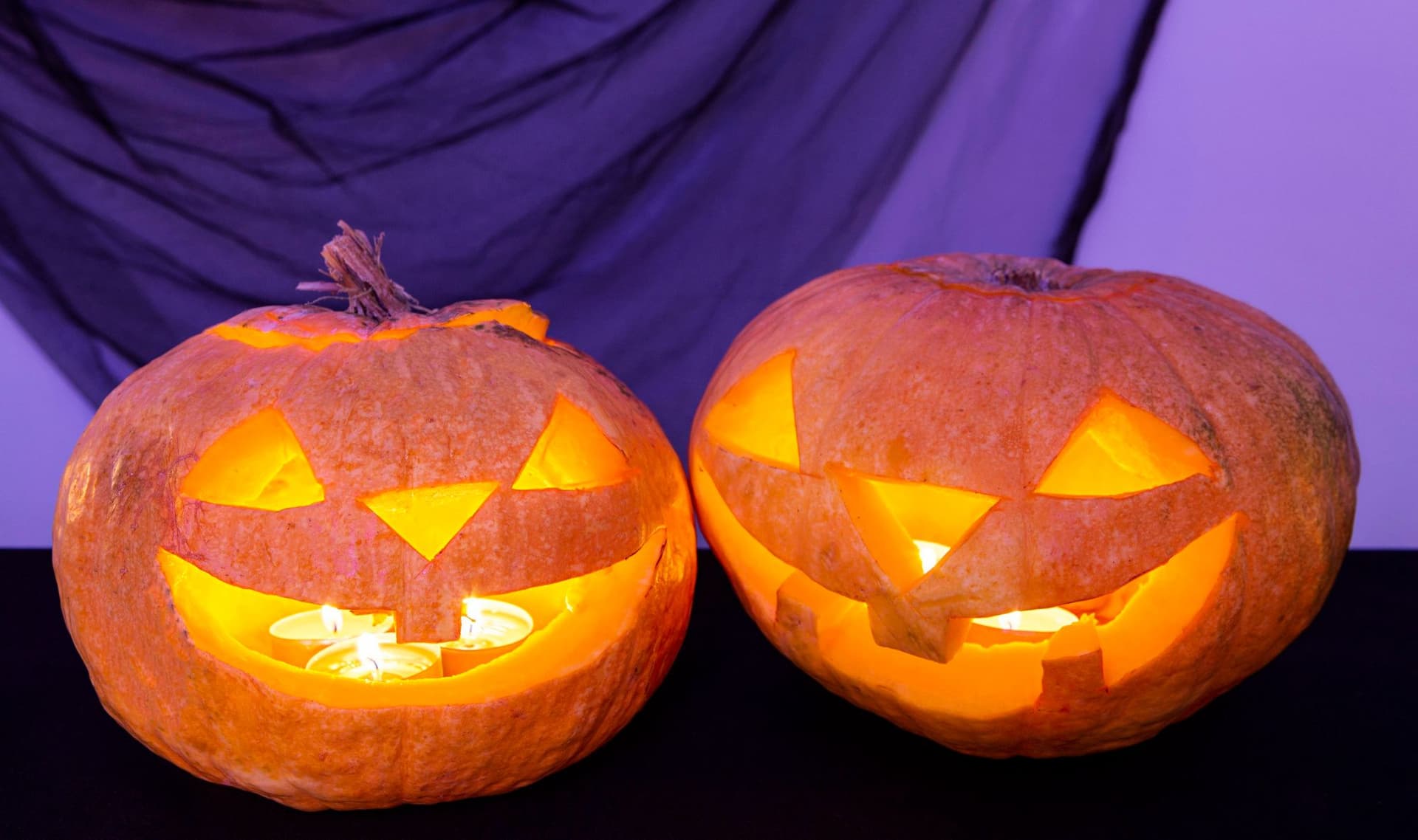
Over 2,000 Glowing Pumpkins to Light Up Springfield’s Washington Park This Weekend
More than 2,000 illuminated jack-o’-lanterns will transform Washington Park in Springfield, Illinois, into a Halloween attraction on October 16-17, 2026.
Explore Plants by Care Needs
Identify the plant and problem. Help your plant recover
Identify plant problems early, understand what's wrong, and get clear care guidance. Botan helps you turn guesswork into confident plant care