Texas Native Plant Week 2026 Highlights the Power of Local Plants
Texas is celebrating Native Plant Week from October 18 to 24, bringing attention to the wildflowers, grasses, and shrubs that support local wildlife and healthy ecosystems.
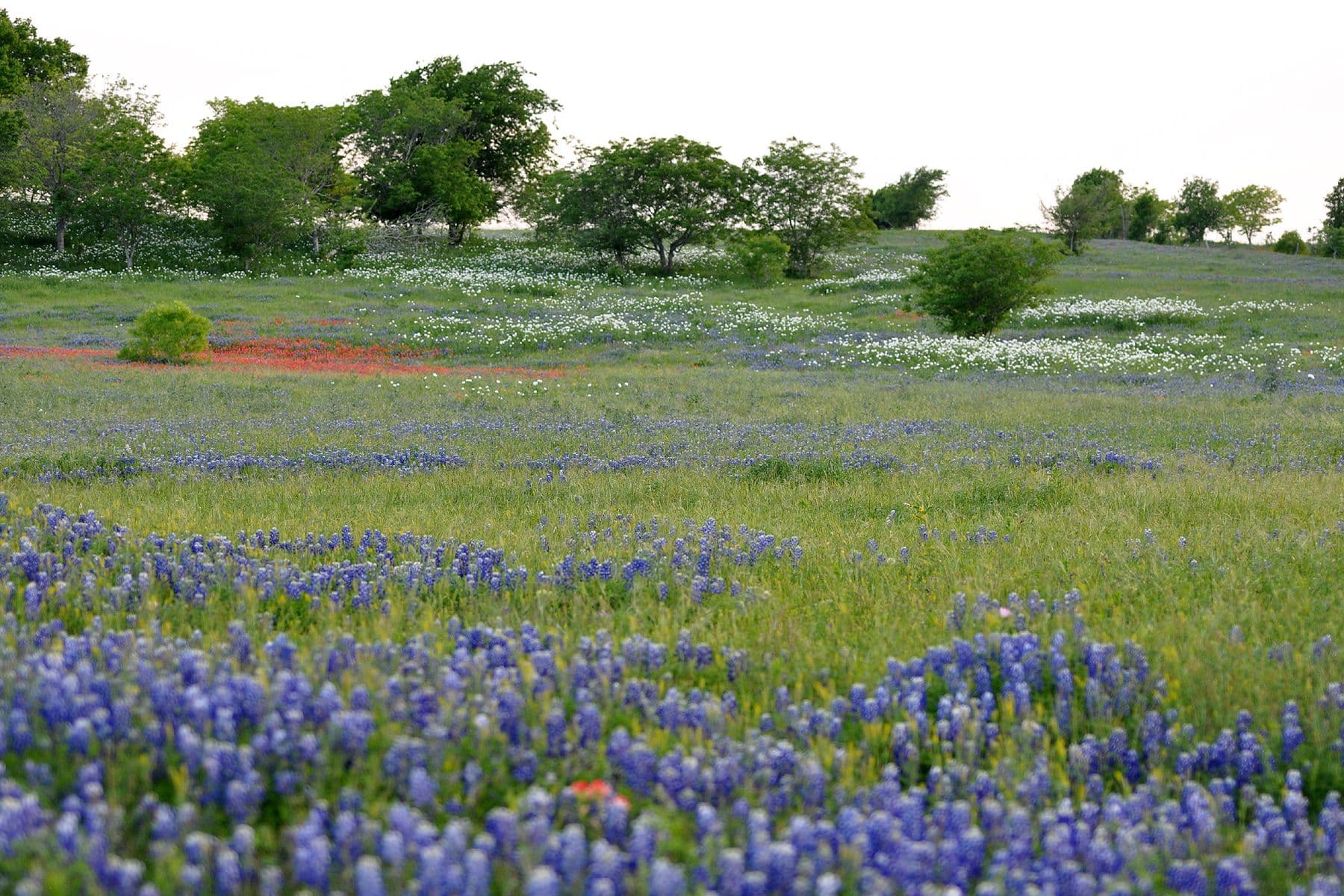
Across the state, community events are encouraging residents to discover how native plants can help protect pollinators, conserve water, and improve gardens.
Why Native Plants Matter for Texas Wildlife
The Native Plant Society of Texas explains that the state established Native Plant Week in 2009 to promote conservation and help schools teach children about local plant species.
Native vegetation provides food and shelter for bees, butterflies, hummingbirds, and other wildlife. Many species are naturally suited to regional soil and climate conditions, making them valuable choices for sustainable landscaping.

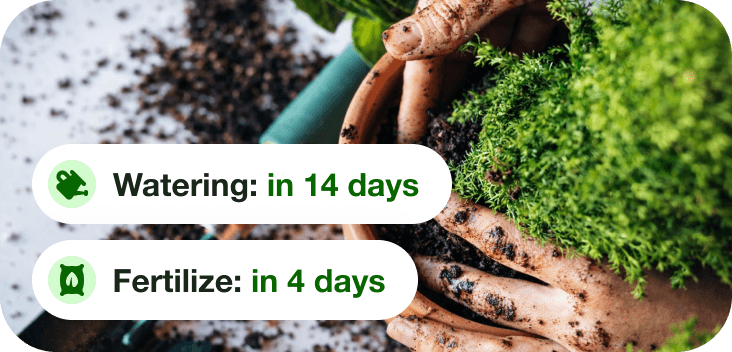
Your Personalized Care Plan
Get personalized plant care recommendations in the app
Communities Bring Native Plant Conservation to Life
Activities during this year's celebration include plant sales, educational programs, and conservation events.
On October 18, the Native Plant Society of Texas Austin Chapter hosted a fall sale offering more than 100 native plant species. Another event, a prairie restoration workshop organized by Green Spaces Alliance, is scheduled for October 24.
These activities give residents opportunities to learn how local vegetation supports biodiversity and protects natural habitats.

How Small Gardens Can Help Pollinators
A useful lesson from Native Plant Week is that selecting the right flowers matters as much as planting them.
Botan encourages gardeners to consider sunlight, soil moisture, and flowering schedules when identifying and choosing plants. For example, combining spring-blooming wildflowers like Claytonia virginica with late-season nectar sources like Solidago speciosa can help create a more consistent food supply for pollinators.
Even a small garden with carefully selected native plants can contribute to healthier local habitats.

Anastasiia Vasylchyshyna
Botanist
5+ of botanical experience
Anastasiia Vasylchyshyna studied biology at Taras Shevchenko National University of Kyiv, at the Educational and Scientific Center "Institute of Biology and Medicine." That academic grounding shaped how she approaches every article: start with the science, end with something a plant owner can actually act on.
Over the years, she's written dozens of articles on plant care and plant pathology — covering everything from seasonal plant picks, garden prep, propagation and pruning guides, and the everyday mistakes that harm houseplants. Her goal isn't just to answer a question, but to help readers understand why a plant behaves the way it does, so they can spot problems on their own next time.
Related Articles
2 min read · 19 Oct 2026
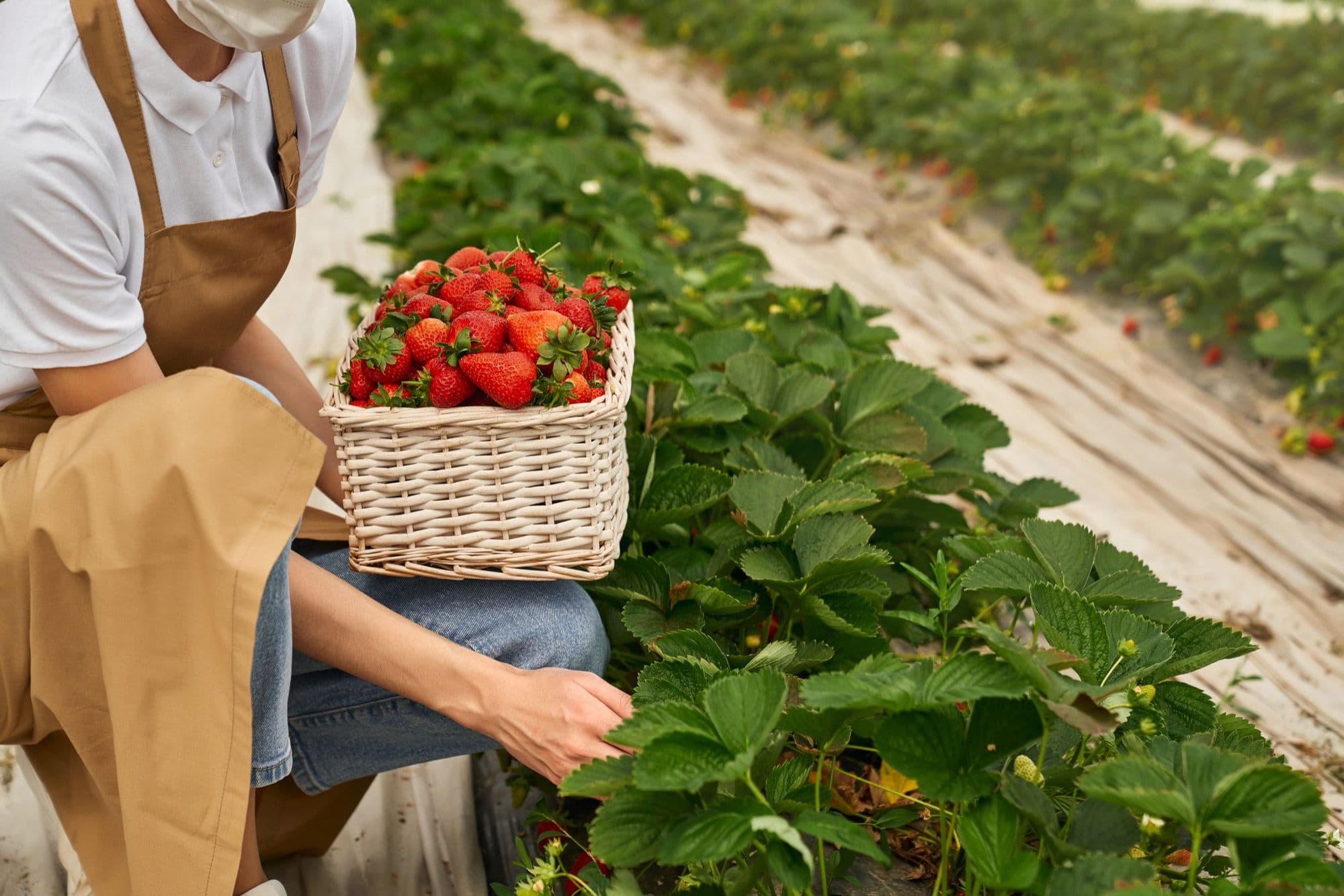
Scientists Develop Reusable Artificial Strawberry Stems to Improve Robotic Harvesting
Researchers have developed an artificial strawberry stem that can be cut, repaired, and reused during robotic harvesting tests.

2 min read · 15 Oct 2026
Over 2,000 Glowing Pumpkins to Light Up Springfield’s Washington Park This Weekend
More than 2,000 illuminated jack-o’-lanterns will transform Washington Park in Springfield, Illinois, into a Halloween attraction on October 16-17, 2026.
2 min read · 12 Oct 2026
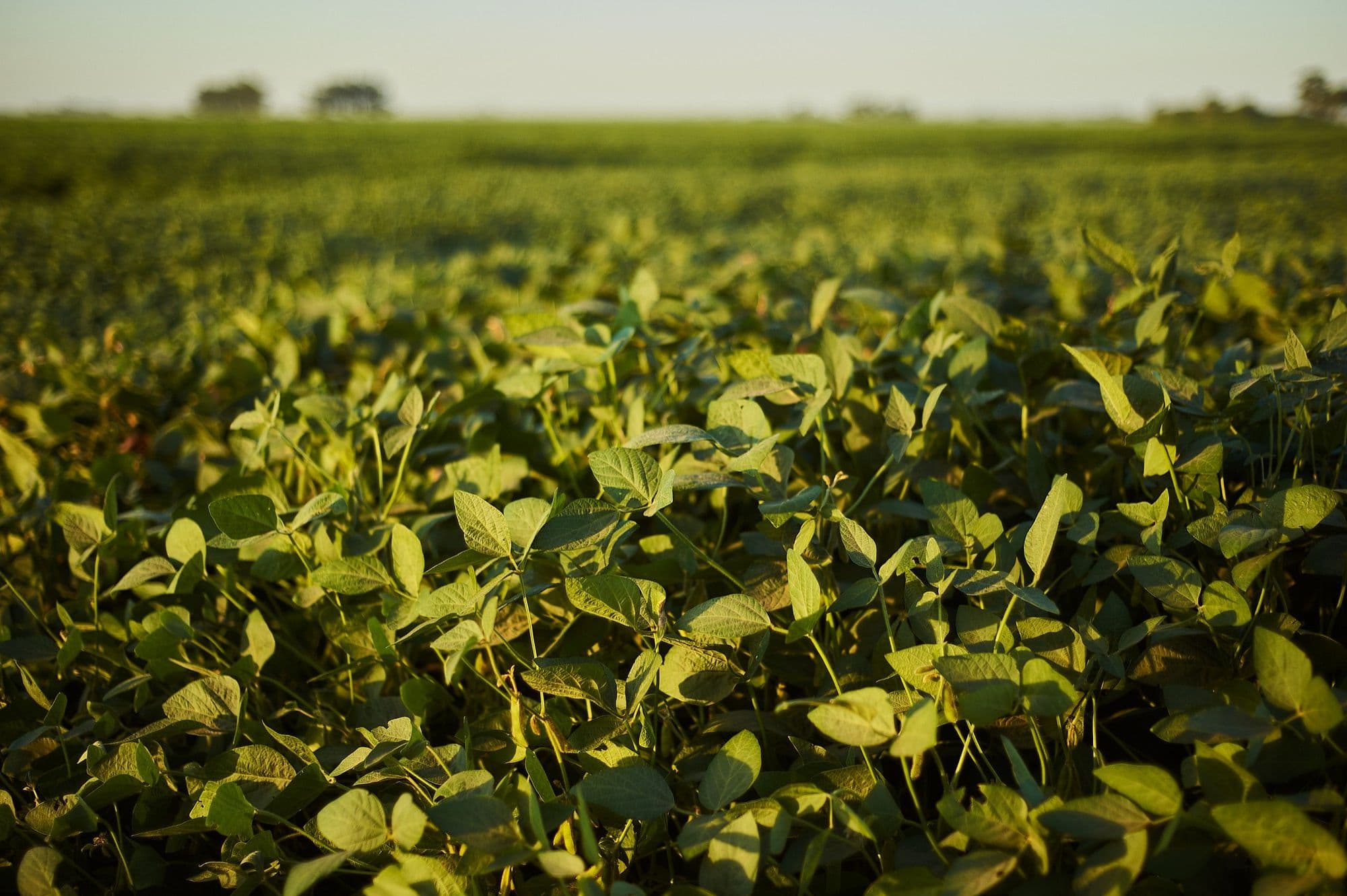
Stronger Stems Help Modern Soybeans Produce Higher Yields
Modern soybean varieties can produce higher yields partly because their stems are stronger and less likely to bend or fall over.
Explore Plants by Care Needs
Identify the plant and problem. Help your plant recover
Identify plant problems early, understand what's wrong, and get clear care guidance. Botan helps you turn guesswork into confident plant care