Stronger Stems Help Modern Soybeans Produce Higher Yields, New Study Finds
Modern soybean varieties can produce higher yields partly because their stems are stronger and less likely to bend or fall over.
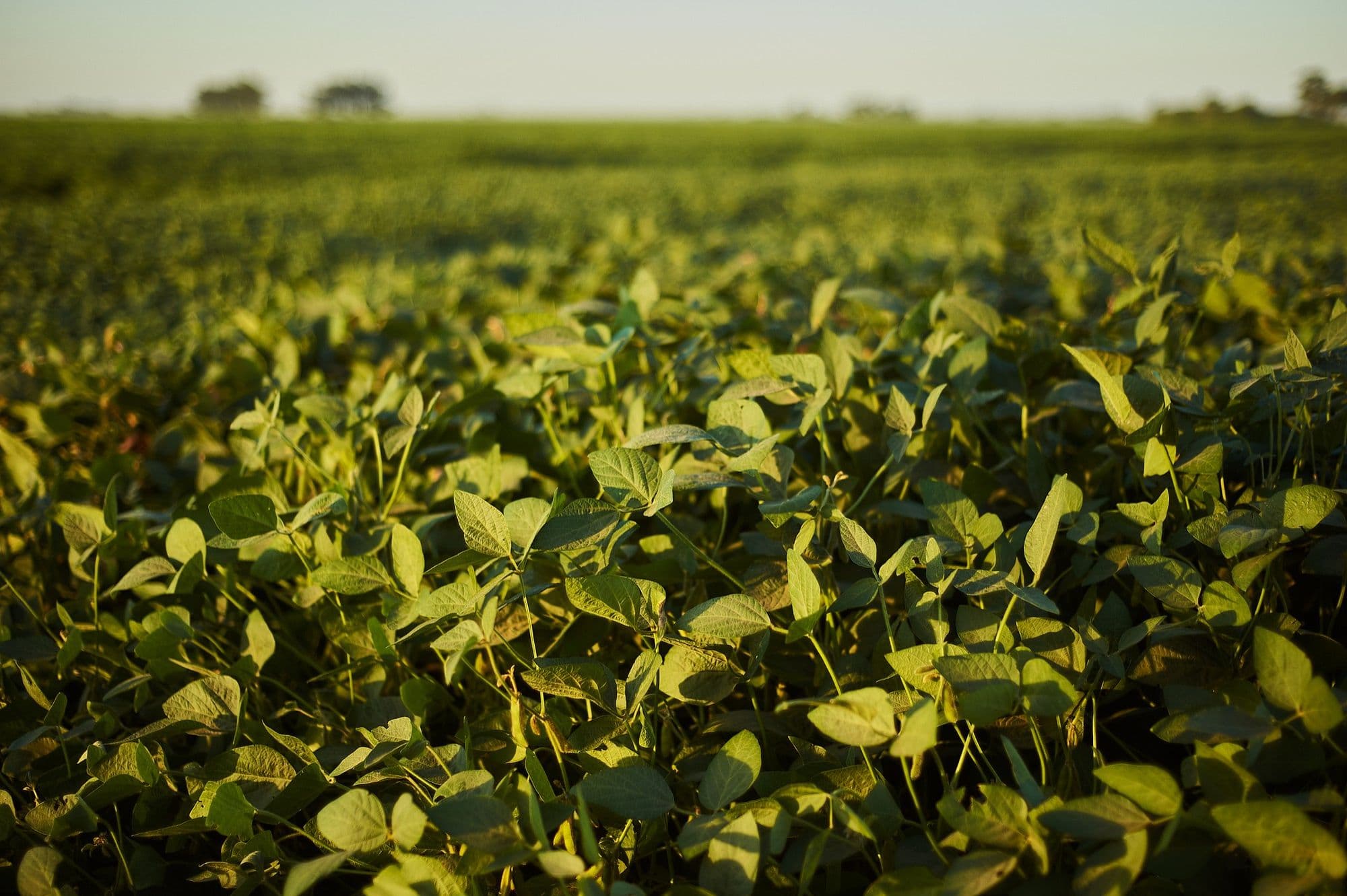
A new study published in Scientific Reports reveals how decades of plant breeding have changed soybean structure, helping crops remain upright and productive.
Researchers in Brazil compared soybean cultivars developed between 1966 and 2018 to understand how stem strength influences grain production.
Older Soybeans Lost Yield When Their Stems Collapsed
One major challenge for soybean growers is lodging, which happens when plants bend or fall over under their own weight or external pressure.
The researchers conducted field and greenhouse experiments, comparing older soybean varieties with modern ones. Some plants received physical support to prevent lodging, allowing scientists to assess how much yield could be gained when stems remained upright.
The results showed that natural lodging historically reduced the yield potential of older varieties by 36%.
When older plants were supported, their grain yield increased by 57%. The number of grains per plant rose by 45.2%, while the number of grains per pod increased by 20.1%.


Keep Plants Thriving
Get simple care guidance tailored to each plant’s needs in the app
Modern Soybeans Have Stronger, More Compact Stems
The researchers also discovered significant structural differences between older and newer soybean cultivars.
Across the breeding periods studied, the force required to break the middle section of soybean stems increased by 107.2%. The researchers also observed a 46.9% increase in stem diameter in that region.
Modern varieties were generally shorter, with less vegetative biomass and improved structural stability. They maintained high yields without additional physical support.

Why Stem Strength Matters
The findings have practical implications for agriculture. According to University of Nebraska–Lincoln research, higher soybean planting densities can increase lodging without necessarily improving yields. This shows why growing more plants does not always mean harvesting more grain.
Penn State Extension also notes that lodging can make harvesting difficult, particularly when soybean fields experience flooding.
A Healthy Plant Needs More Than Strong Roots
The study also highlights a broader principle of plant health: stems must support the weight of leaves, branches, and developing seeds.
For home gardeners, leaning stems are not always a sign of disease. Some plants naturally climb or spread, while others may develop weak growth when light is insufficient.
The soybean findings reinforce an important lesson: plant productivity depends on both healthy growth and the physical structures that support it.

Anastasiia Vasylchyshyna
Botanist
5+ of botanical experience
Anastasiia Vasylchyshyna studied biology at Taras Shevchenko National University of Kyiv, at the Educational and Scientific Center "Institute of Biology and Medicine." That academic grounding shaped how she approaches every article: start with the science, end with something a plant owner can actually act on.
Over the years, she's written dozens of articles on plant care and plant pathology — covering everything from seasonal plant picks, garden prep, propagation and pruning guides, and the everyday mistakes that harm houseplants. Her goal isn't just to answer a question, but to help readers understand why a plant behaves the way it does, so they can spot problems on their own next time.
Related Articles

2 min read · 8 Oct 2026
Australia’s Wildfire Crisis May Have Roots in Colonial Land Changes
A new study suggests that the danger posed by bushfires in southeastern Australia cannot be explained by rising temperatures alone.
2 min read · 5 Oct 2026
Why West Michigan’s Fruit Ridge Is Almost Made for Growing Fruit
A narrow strip of land northwest of Grand Rapids has become one of Michigan’s most important fruit-growing regions because geology, elevation and climate happen to work together in growers’ favor.
1 min read · 2 Oct 2026
Berlin’s Open-Source Tree Map Mobilizes 12,000 Volunteers to Water Urban Trees
Berlin residents are using an open-source digital map to help protect the city’s trees after increasingly hot and dry summers.
Explore Plants by Care Needs
Identify the plant and problem. Help your plant recover
Identify plant problems early, understand what's wrong, and get clear care guidance. Botan helps you turn guesswork into confident plant care