Why West Michigan’s Fruit Ridge Is Almost Made for Growing Fruit
A narrow strip of land northwest of Grand Rapids has become one of Michigan’s most important fruit-growing regions because geology, elevation and climate happen to work together in growers’ favor.
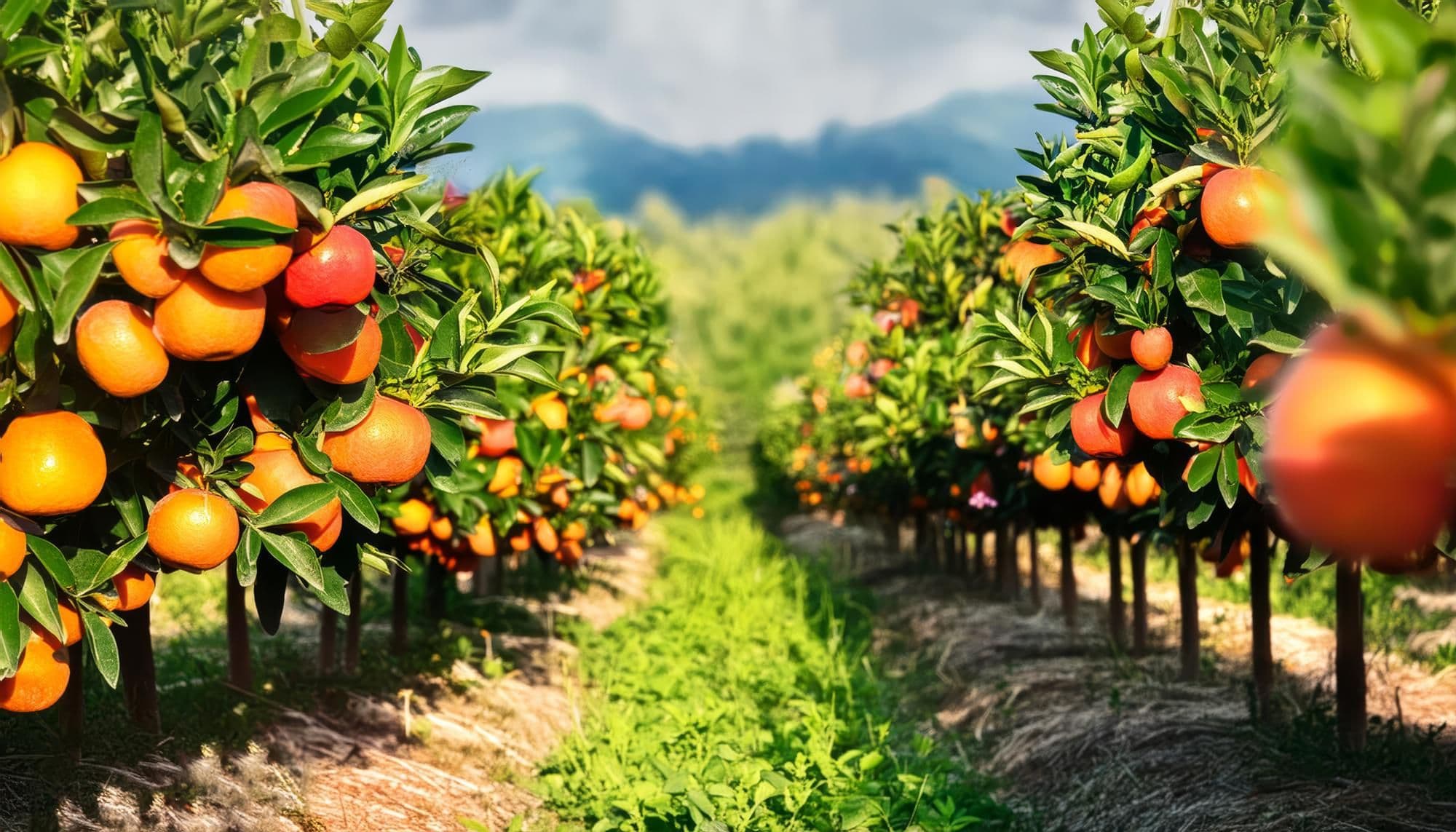
Known as the Fruit Ridge, the area stretches roughly 20 miles from Walker toward Grand Rapids and is about 8 miles wide, crossing parts of Kent, Muskegon, Newaygo and Ottawa counties. Its rolling terrain was shaped by glaciers, which left behind a moraine and deposits that developed into productive loamy and clay-rich soils.
The importance of fruit farming fits into Michigan’s broader agricultural picture. According to QuickStats, the state had about 43,800 farm operations covering 9.4 million acres. Michigan growers produced about 1.064 billion pounds of utilized apples in 2025, with the crop valued at more than $322 million.

Why the Fruit Ridge Works So Well
Soil is only part of the equation. The Ridge’s elevation helps water move through orchard soils while still allowing loam and clay to retain useful moisture. For fruit trees, that balance matters: roots require access to water but can also suffer when soil remains saturated for long periods.
Topography provides another advantage. Cold air is denser than warm air and naturally moves downhill, which means elevated orchard sites can be less vulnerable than low-lying “frost pockets” during sensitive periods in spring.
Michigan State University guidance on orchard site selection specifically identifies elevation, topography and cold-air drainage as important considerations when establishing an orchard. The university also notes that orchard soils should provide adequate depth and suitable structure for healthy root development.

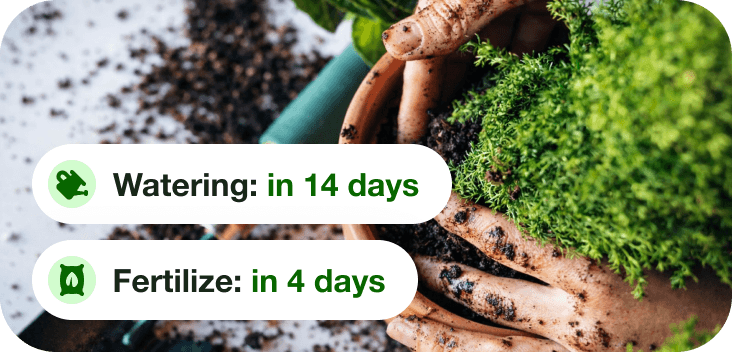
Your Personalized Care Plan
Get personalized plant care recommendations in the app
The Same Principle Matters in a Home Garden
The Fruit Ridge is a large-scale example of something gardeners can observe in much smaller spaces: two spots only a short distance apart may have noticeably different growing conditions.
A fruit tree planted in a low depression can experience colder nighttime temperatures and greater frost exposure than one growing slightly higher on a gentle slope. Drainage, sunlight, wind exposure and soil texture can also vary within the same property.

Anastasiia Vasylchyshyna
Botanist
5+ of botanical experience
Anastasiia Vasylchyshyna studied biology at Taras Shevchenko National University of Kyiv, at the Educational and Scientific Center "Institute of Biology and Medicine." That academic grounding shaped how she approaches every article: start with the science, end with something a plant owner can actually act on.
Over the years, she's written dozens of articles on plant care and plant pathology — covering everything from seasonal plant picks, garden prep, propagation and pruning guides, and the everyday mistakes that harm houseplants. Her goal isn't just to answer a question, but to help readers understand why a plant behaves the way it does, so they can spot problems on their own next time.
Related Articles
1 min read · 2 Oct 2026
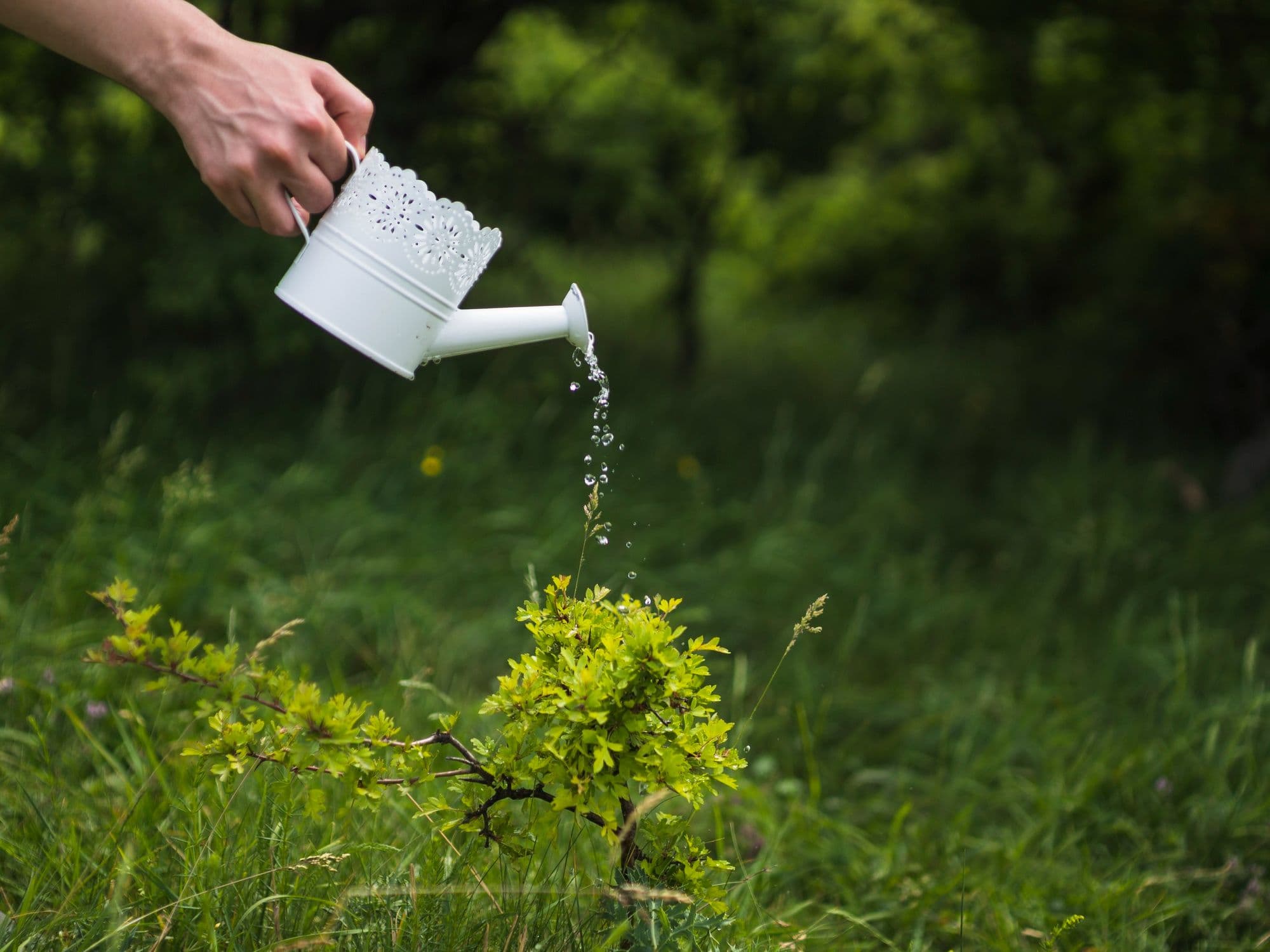
Berlin’s Open-Source Tree Map Mobilizes 12,000 Volunteers to Water Urban Trees
Berlin residents are using an open-source digital map to help protect the city’s trees after increasingly hot and dry summers.
1 min read · 30 Sept 2026
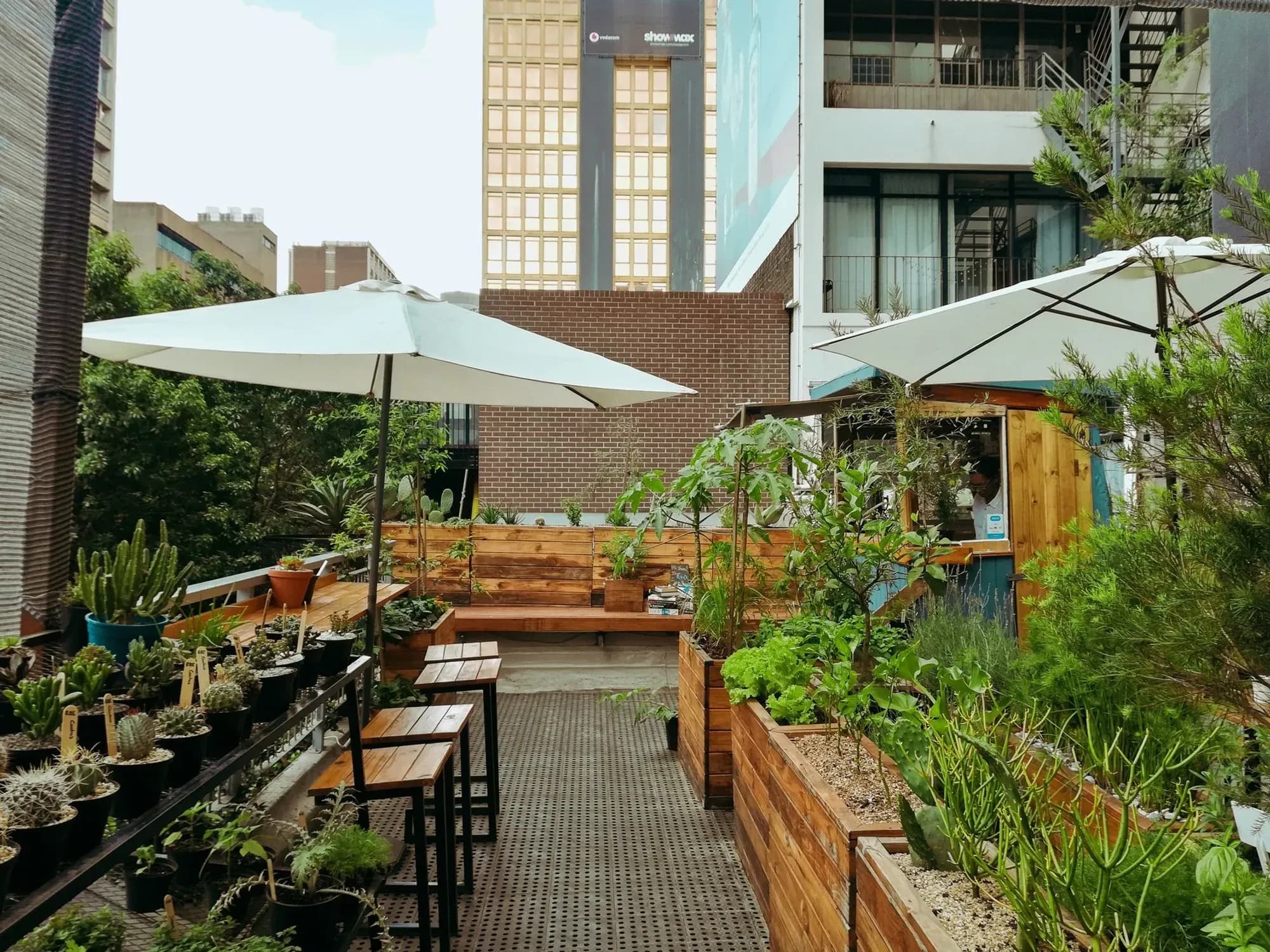
Johannesburg Rooftop Garden Turns High-Rise Space Into a Hydroponic Food Source
A rooftop above a residential high-rise in Johannesburg’s Hillbrow district is being used to grow fresh vegetables hydroponically, showing how unused urban space can support local food production.
2 min read · 25 Sept 2026
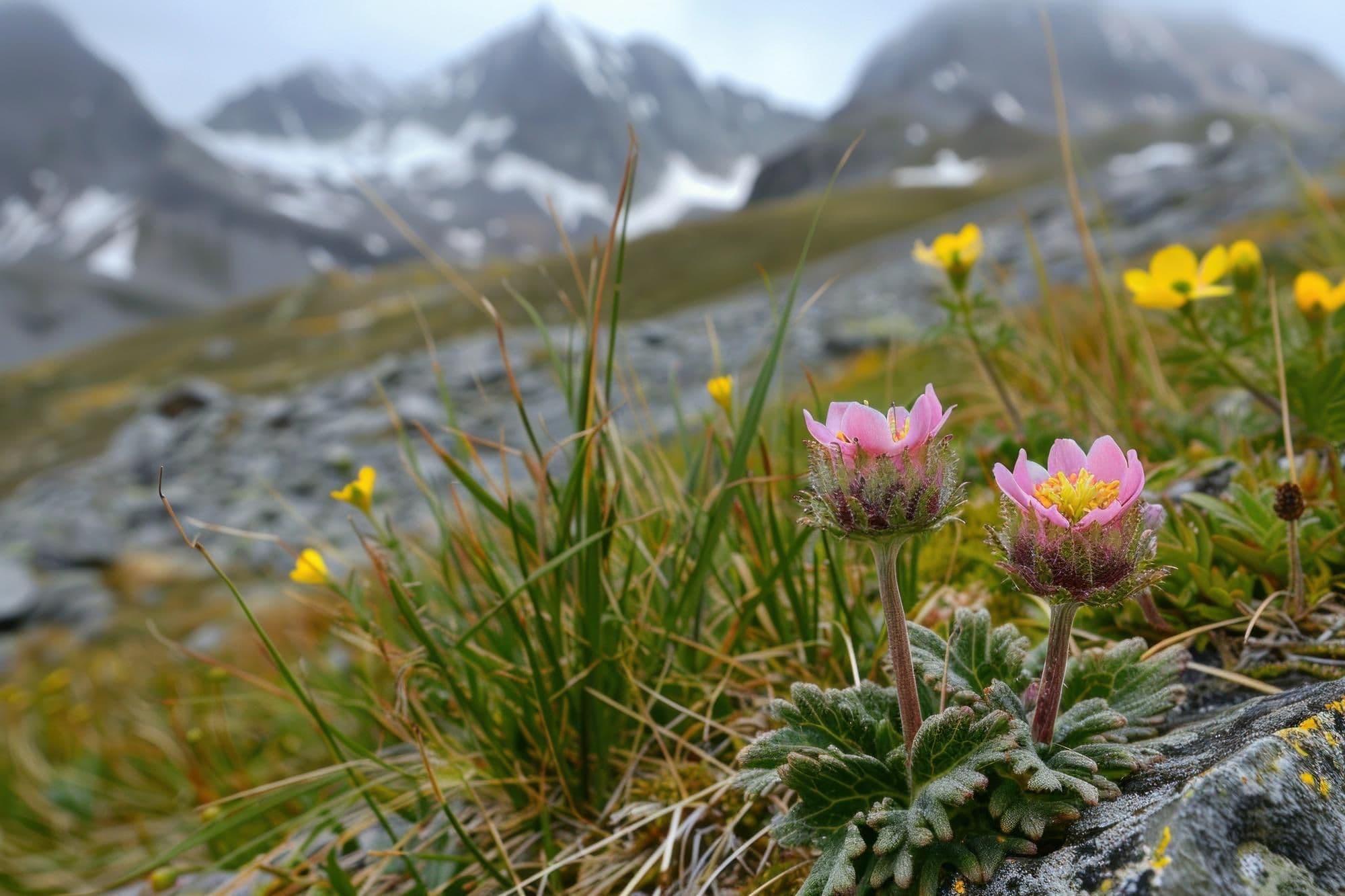
Swiss Botanists Track How Alpine Plants Are Shifting Upward
Plant communities in the Swiss Alps are changing as species appear at higher elevations and others disappear from places where they were recorded decades ago.
Explore Plants by Care Needs



Identify the plant and problem. Help your plant recover
Identify plant problems early, understand what's wrong, and get clear care guidance. Botan helps you turn guesswork into confident plant care