Climate Change Could Increase Fungal Disease Risk in European Pear Orchards
Climate change could make a damaging fungal disease more common in Europe's pear-growing regions, according to new research.
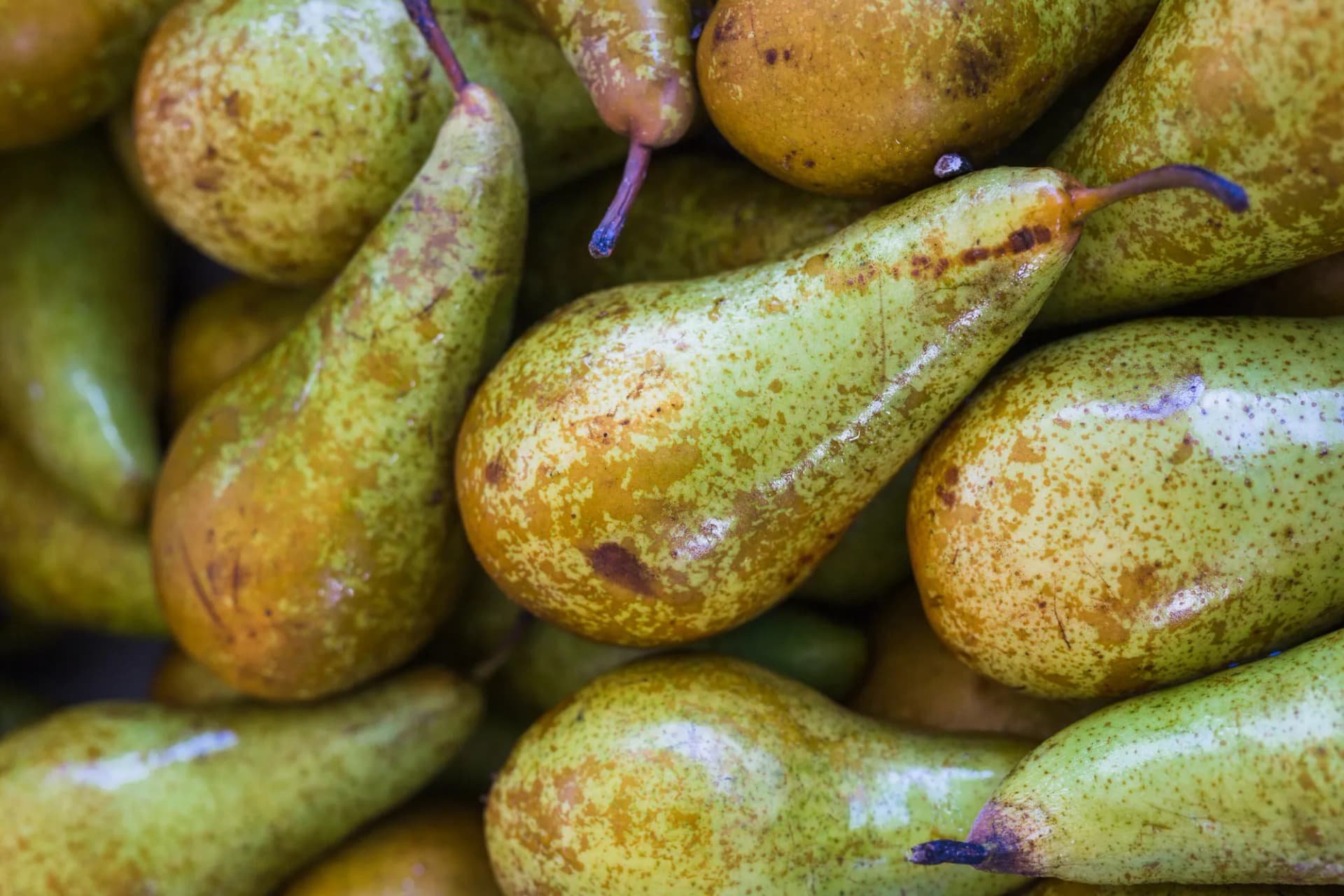
Scientists predict that brown spot of pear may become a greater threat in parts of Spain and Italy, especially during the autumn months.
How Climate Change Could Affect Pear Trees
A new study published in the European Journal of Plant Pathology examined how future weather conditions could influence brown spot of pear, a disease caused by the fungus Stemphylium vesicarium.
The infection produces brown, dead patches on leaves and fruit. In severely affected orchards, it can cause substantial crop losses.
Researchers analyzed weather records from 343 locations in Catalonia, Spain, and Emilia-Romagna, Italy. They then used climate projections to estimate how infection risks might change.
The highest infection risks were predicted for September, October, and November. However, these results are model-based projections, not confirmed future outbreaks.

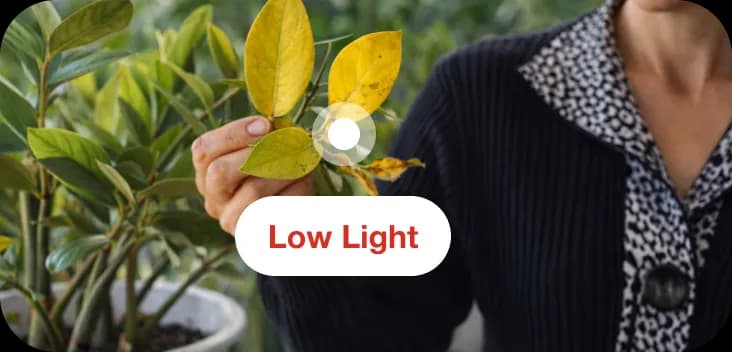
Fix Plant Problems
Leaves turning yellow or falling off? Find the cause and solutions
Why Pear Diseases Are Difficult to Control
Brown spot develops when temperatures and moisture conditions favor fungal growth. Rain, humidity, and prolonged leaf wetness can increase infection risk.
An earlier study published in Agronomy revealed another challenge: the fungus can survive winter on infected pear branches, not just fallen leaves. Researchers found fungal reproductive structures on one-year-old twigs. Removing diseased branches may help reduce future infections.
What Does This Mean for Growers?
The new findings suggest that pear growers may need to adjust disease monitoring as weather patterns change.
However, brown spots can have several causes, so symptoms alone cannot confirm a Stemphylium infection.
The researchers' predictions highlight the importance of combining weather-based disease forecasts with preventive orchard management.
Found this helpful?
Add Botan as a preferred source on Google.

Anastasiia Vasylchyshyna
Botanist
5+ of botanical experience
A biologist by training and a botanist by calling, Anastasiia turns scientific knowledge into practical advice anyone can use to keep their plants healthy and thriving.
Related Articles
2 min read · 10 Nov 2026
Kew Scientists Call for Stronger Plant and Forest Protection at COP31
Scientists at the Royal Botanic Gardens, Kew, are calling for closer cooperation between climate action and nature conservation as the COP31 climate conference begins in Antalya, Türkiye.
2 min read · 9 Nov 2026
Romania Sets Guinness World Record as 2,512 Volunteers Plant Trees Together
Romania has set a new Guinness World Record after 2,512 people planted trees simultaneously on November 7, 2026.
2 min read · 3 Nov 2026
Scientists Explore How Plants Could Detect Environmental Pollution
Plants may soon do more than absorb sunlight and grow!
More Fruits to Explore
Identify the plant and problem. Help your plant recover
Identify plant problems early, understand what's wrong, and get clear care guidance. Botan helps you turn guesswork into confident plant care