Scientists Explore How Plants Could Detect Environmental Pollution
Plants may soon do more than absorb sunlight and grow!
Researchers at Pennsylvania State University are exploring whether plants' natural electrical signals could help detect harmful chemicals in soil, potentially offering farmers and communities a new way to monitor pollution.
In an announcement from Penn State University, scientists described a project that uses flexible sensors to track how plants respond to environmental contaminants, particularly PFAS.
How Can Plants Detect Harmful Chemicals?
PFAS are long-lasting chemicals found in various industrial and consumer products. They can accumulate in the environment and enter plants through contaminated soil.
The research team is developing transparent electrodes that attach to plant surfaces without blocking light.
These sensors could monitor electrical activity over days or weeks, helping scientists identify changes linked to chemical exposure.

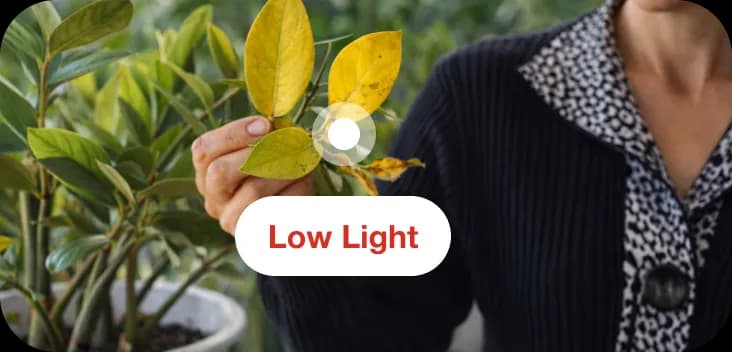
Fix Plant Problems
Leaves turning yellow or falling off? Find the cause and solutions
Other Plants Are Already Showing Similar Abilities
The idea of using plants as environmental sensors has growing scientific support.
A 2025 study involving water hyacinths (Eichhornia crassipes) found that their electrical signals changed when exposed to wastewater. Researchers analyzed these changes to explore the plants' potential for monitoring water quality.
Meanwhile, Wageningen University researchers have detected electrical responses associated with thrips and powdery mildew. Their ongoing project explores whether such signals could help identify plant health problems before visible symptoms appear.

What Could This Mean for Plants and the Environment?
For Botan readers, these findings highlight an interesting feature of plant biology: plants can respond to environmental stress long before obvious damage becomes visible.
A plant exposed to pollution may not immediately develop yellow leaves, brown spots, or slow growth. Electrical monitoring could eventually provide an earlier warning, although it cannot yet replace laboratory testing.
If successful, the Penn State technology might help farmers identify contaminated areas, monitor soil conditions, and make better decisions about crop management.

Anastasiia Vasylchyshyna
Botanist
5+ of botanical experience
Anastasiia Vasylchyshyna studied biology at Taras Shevchenko National University of Kyiv, at the Educational and Scientific Center "Institute of Biology and Medicine." That academic grounding shaped how she approaches every article: start with the science, end with something a plant owner can actually act on.
Over the years, she's written dozens of articles on plant care and plant pathology — covering everything from seasonal plant picks, garden prep, propagation and pruning guides, and the everyday mistakes that harm houseplants. Her goal isn't just to answer a question, but to help readers understand why a plant behaves the way it does, so they can spot problems on their own next time.
Related Articles
2 min read · 2 Nov 2026
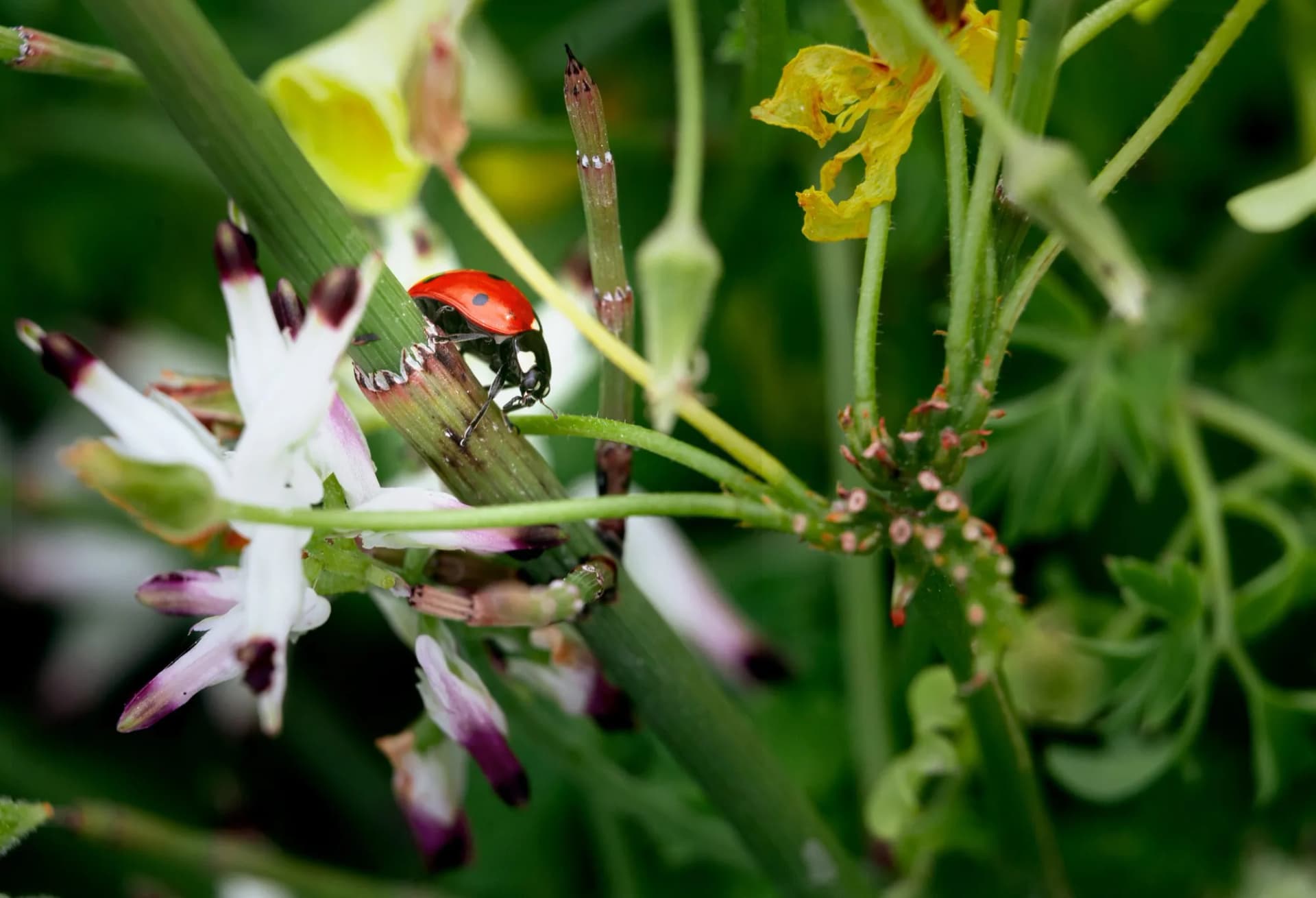
Not All Garden Insects Are Pests, Oklahoma State University Experts Explain
Many gardeners see insects as a threat to their plants, but some of these small creatures help gardens stay healthy.
2 min read · 27 Oct 2026
Scientists Discover How Drought-Tolerant Plants Recover After Watering
Scientists have discovered how a drought-tolerant plant repairs the tiny structures responsible for photosynthesis after a long period without water.
2 min read · 26 Oct 2026
Scientists Link Mysterious Tiny-People Hallucinations to a Mushroom Species
A mushroom found in China and the Philippines may explain a strange mystery: why some people see dozens of tiny human figures after eating certain wild fungi.
Explore Plants by Care Needs

Identify the plant and problem. Help your plant recover
Identify plant problems early, understand what's wrong, and get clear care guidance. Botan helps you turn guesswork into confident plant care