Berlin’s Open-Source Tree Map Mobilizes 12,000 Volunteers to Water Urban Trees
Berlin residents are using an open-source digital map to help protect the city’s trees after increasingly hot and dry summers.
On this page
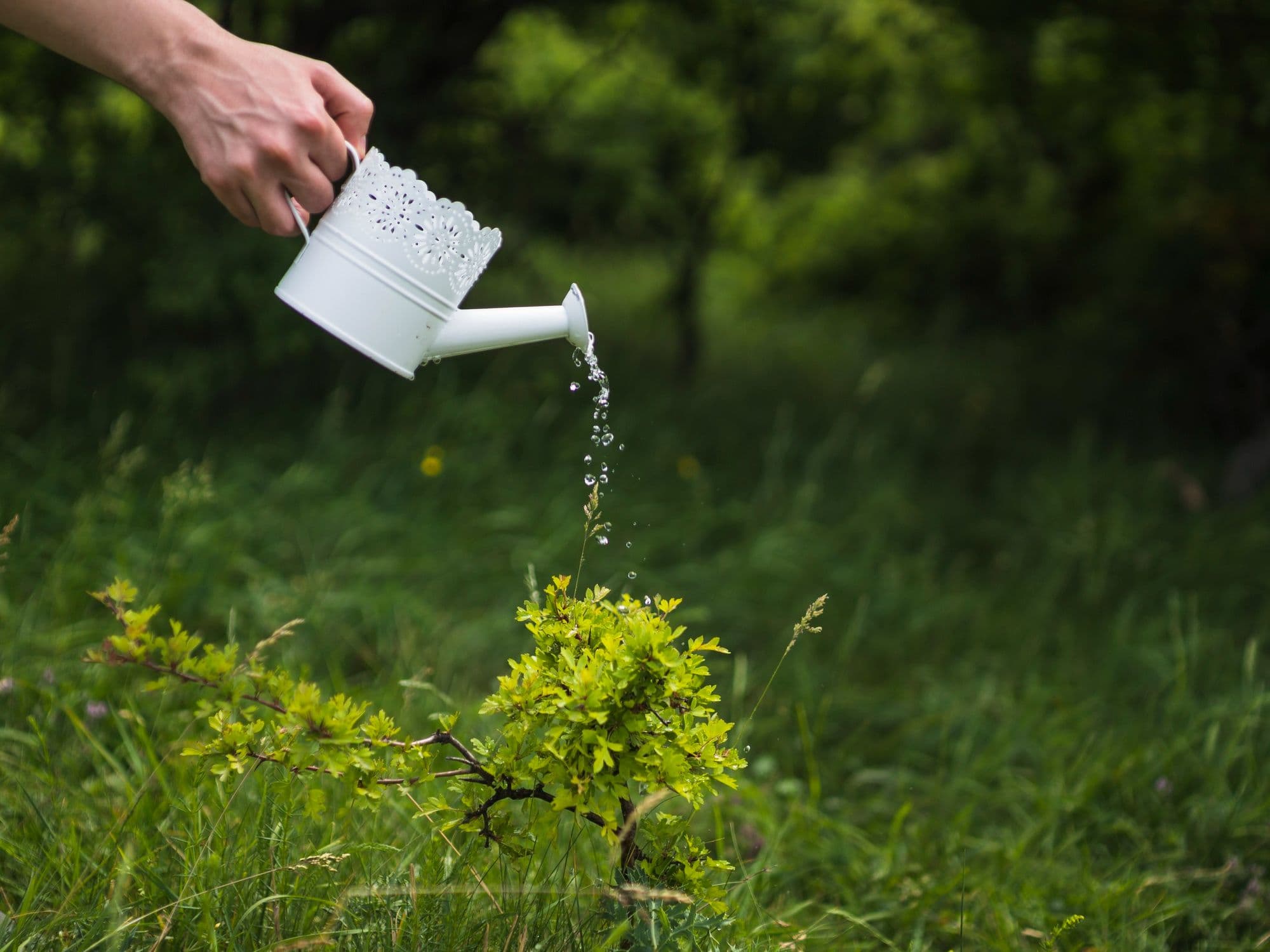
Around 12,000 registered volunteers now participate in Gieß den Kiez, a community platform that shows which trees need water and allows residents to record their own watering.
According to The Guardian’s October 2 report, the project tracks more than 900,000 trees across Berlin and estimates their water needs using information such as species, age and local rainfall. For example, during Berlin’s record 39.9°C (103.8°F) heat on June 27, volunteers logged about 8,000 liters of water in a single day.

Identify Your Plant’s Problem
Scan with Botan for an instant diagnosis — 98%+ accuracy
A Digital Tool for Urban Tree Care
Launched in 2020 by CityLAB Berlin, Gieß den Kiez lets residents “adopt” individual trees, check previous watering activity and coordinate with neighbors. Its open-source design also means other cities can adapt the system.
Versions have already appeared in Potsdam, Leipzig, Magdeburg and Paris. CityLAB says the platform uses open data and is designed to complement municipal tree-care work rather than replace it.
The approach is particularly useful for young street trees, whose smaller root systems make them more vulnerable during prolonged dry periods.

Anastasiia Vasylchyshyna
Botanist
5+ of botanical experience
Anastasiia Vasylchyshyna studied biology at Taras Shevchenko National University of Kyiv, at the Educational and Scientific Center "Institute of Biology and Medicine." That academic grounding shaped how she approaches every article: start with the science, end with something a plant owner can actually act on.
Over the years, she's written dozens of articles on plant care and plant pathology — covering everything from seasonal plant picks, garden prep, propagation and pruning guides, and the everyday mistakes that harm houseplants. Her goal isn't just to answer a question, but to help readers understand why a plant behaves the way it does, so they can spot problems on their own next time.
Related Articles
1 min read · 30 Sept 2026
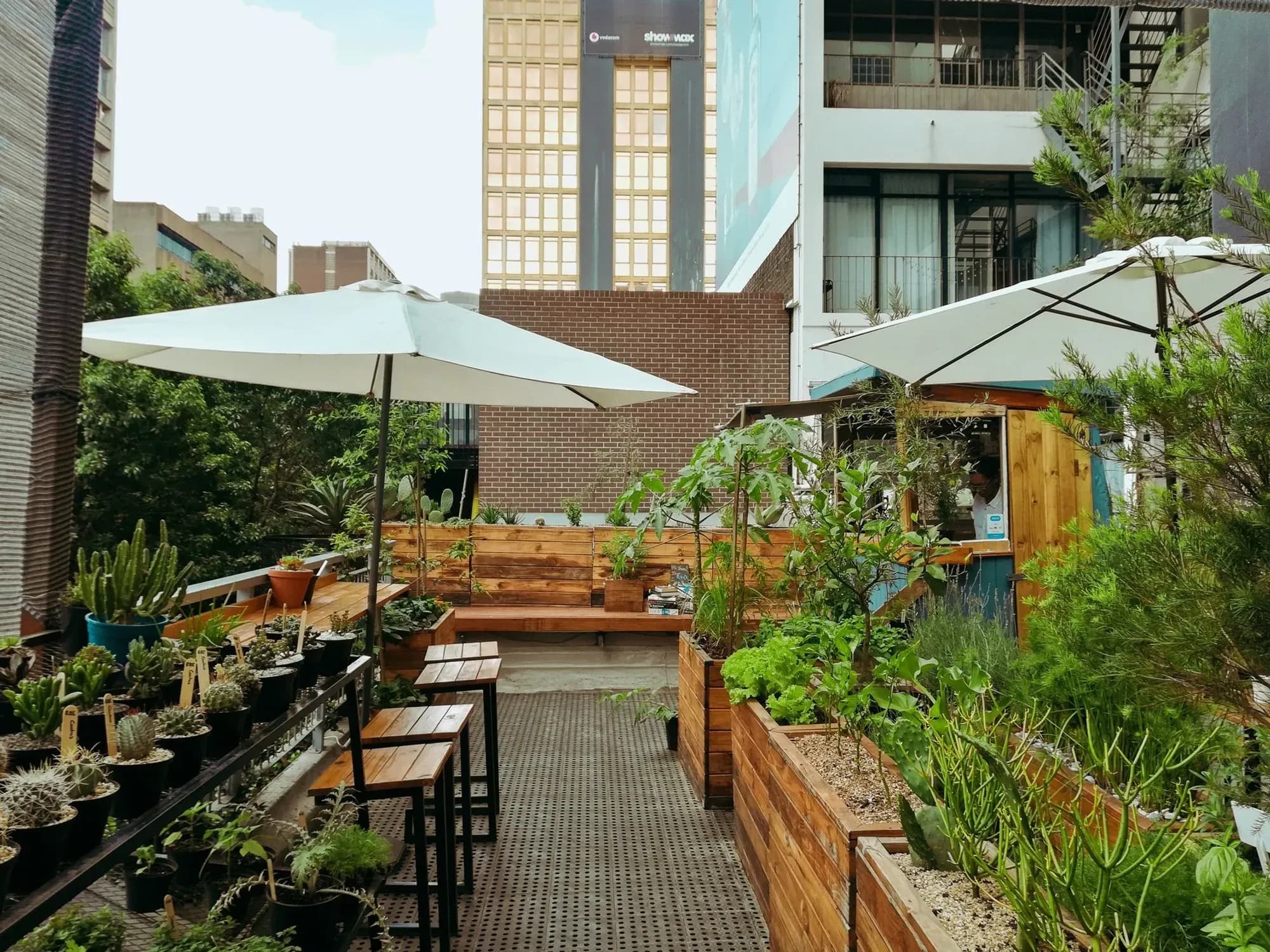
Johannesburg Rooftop Garden Turns High-Rise Space Into a Hydroponic Food Source
A rooftop above a residential high-rise in Johannesburg’s Hillbrow district is being used to grow fresh vegetables hydroponically, showing how unused urban space can support local food production.

2 min read · 25 Sept 2026
Swiss Botanists Track How Alpine Plants Are Shifting Upward
Plant communities in the Swiss Alps are changing as species appear at higher elevations and others disappear from places where they were recorded decades ago.
2 min read · 23 Sept 2026
Climate Change Could Reshape the Plant Life of the Amazon
The Amazon rainforest contains an extraordinary variety of plant life, but climate change may alter which species can survive across the region.
Explore Plants by Care Needs


Identify the plant and problem. Help your plant recover
Identify plant problems early, understand what's wrong, and get clear care guidance. Botan helps you turn guesswork into confident plant care