Thin-leaf Wattle Care (Acacia aculeatissima)

Also known as: Snake Wattle
Thin-leaf Wattle

About Thin-leaf Wattle

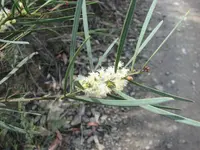
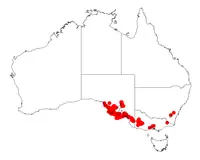
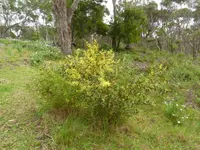
Thin-leaf wattle, Acacia aculeatissima, is a small to medium shrub native to southeastern Australia, often found in open forests and woodland heath. It has slender, rush-like green stems and very fine, thread-like leaves, giving the plant a delicate, airy look. In season it produces small, rounded, pale yellow flower heads along the stems. The overall growth habit is bushy but not dense. This species is generally resilient once established but can be sensitive to poor drainage and prolonged waterlogging. It prefers sun, well-drained soil, and low to moderate watering, so learning how to care for Thin-leaf Wattle focuses mainly on avoiding excess moisture and heavy soils.

Main Plant Requirements

Care Difficulty

Moderate Care

Light Preference

Full Sun

Water Requirements

Low Water

Temperature Preference

Warm Climate

Hardiness Zone

9–11

Soil Texture

Sandy, Loamy, Rocky

Soil pH

Acidic (5.5–6.5), Slightly acidic (6.5–7.0)

Soil Drainage

Well-drained

Fertilization

Minimal (feed rarely)

Get Personalized Care Plan

Scan your plant to receive care tips personalized for your specific plant

Available on iOS and Android

How to Care for the Thin-leaf Wattle

This Australian shrub thrives in bright, open conditions with several hours of direct sun each day.

  • Provide 6–8 hours of direct sun daily; full sun is ideal for strong growth and flowering in Thin-leaf Wattle.
  • Allow light afternoon shade in very hot, dry regions to reduce leaf scorch and moisture stress, especially on young plants.
  • Avoid deep shade, which leads to sparse, weak shoots; in cooler seasons ensure it is not shaded by taller plants or structures for most of the day.

This species prefers infrequent, deep watering in well-drained soil once established.

  • Allow the top 5–8 cm of soil to dry between waterings; the surface should feel dry but not powdery before adding water.
  • In the first growing season, water thoroughly when foliage begins to look slightly dull or leaves lose some firmness, then reduce frequency as roots deepen.
  • Use sharply drained, sandy or gravelly soil to prevent waterlogging; yellowing leaves and soft, blackened roots indicate overwatering, while brittle, browning tips indicate underwatering in Acacia aculeatissima.

This shrub prefers mild to warm conditions and dislikes prolonged frost or extreme cold.

  • Optimal growth occurs around 60–80°F (16–27°C), with best performance in climates that have warm days and cooler, but not cold, nights.
  • Mature plants tolerate brief drops to about 25°F (-4°C), but repeated frosts or colder temperatures can damage young shoots and flower buds.
  • Heat tolerance is good up to about 95°F (35°C) if soil is not waterlogged; in hot, dry periods, mulch the root zone to buffer temperature swings and reduce stress.

This species tolerates a wide humidity range and usually does not need special humidity management indoors or outdoors.

  • Aim for 30–60% humidity; Thin-leaf Wattle copes well with typical indoor air without added moisture.
  • Dry air rarely harms the plant; prioritize bright light and correct watering over humidity adjustments.
  • If foliage browns at tips, check for root stress or drought first, as humidity is an uncommon limiting factor.

This species prefers light, well-aerated mineral soils that drain rapidly and do not stay wet.

  • Use a sandy or sandy-loam mix with 30–40% coarse sand or fine gravel to keep the root zone sharply drained.
  • Blend in 10–20% inert grit or perlite to improve aeration and prevent compaction around fine roots of Acacia aculeatissima.
  • Keep organic matter moderate; use a lean mix with a small amount of compost rather than rich peat-heavy substrates.
  • Target a slightly acidic to neutral pH around 6.0–7.0 and avoid heavy clay or waterlogged spots, which promote root rot.

This species can be grown in containers for several years if the potting setup keeps roots aerated and stable.

  • Choose a deep, narrow container that allows a strong taproot but limits excess side volume that could stay wet.
  • Select a heavy terracotta or ceramic pot to balance the shrubby canopy and reduce tipping in windy sites.
  • Raise the pot on feet or blocks so drainage holes clear the surface and excess water escapes quickly after rain or watering.

This Australian native, known as Thin-leaf Wattle, grows well in lean soils and usually needs only light feeding in containers or poor ground.

  • Use a low-dose, slow-release native plant fertilizer or very dilute balanced NPK (around 1/4 strength) in spring.
  • Feed once at the start of the active growing season; avoid frequent applications that can cause weak, lanky growth.
  • Skip feeding in winter or dormancy, maintaining care with correct light and watering instead.
  • In poor sandy soils, a thin top-dressing of well-aged compost can support growth without causing excessive vigor.

Pruning Acacia aculeatissima is mainly done to maintain structure, remove damaged wood, and keep paths or views clear.

  • Time any shaping or thinning for late winter to very early spring, before strong new growth begins.
  • Remove dead, diseased, crossing, or inward-growing stems with clean, sharp bypass pruners or loppers.
  • Light tip-pruning after flowering can keep the plant compact and encourage denser branching.
  • Avoid heavy cutting into old wood; retain a natural outline to support healthy flowering and recovery.

This species is more often planted out than kept long term in pots, so focus on careful transplanting when young.

  • Transplant in late winter to early spring, when soil is workable and before vigorous new growth starts.
  • Look for roots circling the pot drainage holes or slowed top growth as signs a container plant is becoming pot-bound.
  • Shift up only 1 pot size, using a free-draining, sandy mix to limit root disturbance and waterlogging.
  • Water thoroughly after planting, then keep moisture even but not saturated while roots establish, shielding from harsh wind and hot sun for 1–2 weeks.

Propagation of Acacia aculeatissima is most reliable from seed, with pre-treatment to break the hard seed coat.

  • Collect mature seed pods, dry them, then scarify seeds by brief hot-water soaking to improve germination.
  • Sow in late winter to early spring in a free-draining, low-nutrient mix kept just moist, not wet.
  • Provide bright light, good air movement, and mild temperatures around 65–75°F for steady, mold-free germination.
  • Transplant seedlings gently once they form several true leaves, disturbing roots as little as possible.

This species tolerates light frost but benefits from some winter protection in colder regions.

  • In-ground plants in mild climates usually need only good drainage to avoid root rot in cold, wet soil.
  • Apply a 5–8 cm mulch layer around the root zone, keeping it slightly away from the stem base.
  • Move container-grown plants under cover or into a bright, frost-free space when temperatures approach 28–30°F.

Care Tips

Root-zone mulching

Apply a 5–8 cm layer of coarse, low-phosphorus mulch such as native hardwood chips around the root zone, keeping it 5–10 cm away from the stem to stabilize soil moisture and protect the fine feeder roots from heat stress.

Phosphorus-safe feeding

When planting or top-dressing, choose fertilizers specifically labeled as safe for Australian natives, and use them at the lower label rate to avoid phosphorus toxicity that can damage the plant’s sensitive root system.

Wind-hardening young plants

For the first 6–12 months, gradually expose young plants to increasing wind by removing temporary windbreaks in stages, which encourages stronger stems and a more resilient framework in exposed sites.

Targeted pest monitoring

Inspect new growth and flower stems every 2–3 weeks during warm seasons for sap-sucking insects such as scale or aphids, and treat early with a light horticultural oil spray to prevent sooty mold and dieback.

Low-intensity pruning

After flowering, lightly tip-prune only the soft, current-season growth rather than cutting into old wood, which maintains a compact shape, stimulates fresh shoots, and supports healthier long-term structure when caring for Thin-leaf Wattle.

Common Pests and Diseases

Wattle web-covering mite

This pest forms fine webbing on young stems and foliage, causing bronzing, stippling, and gradual leaf decline. Symptoms include stressed growth in hot, dry conditions, especially on new shoots.

Solution

Prune out and destroy heavily infested twigs, then hose the plant thoroughly to remove mites and webbing, focusing on the undersides of phyllodes and new growth. Improve vigor with adequate watering during dry periods, reduce heat stress, and, if needed, apply a horticultural oil or insecticidal soap labeled for mites during the cooler part of the day to avoid leaf burn.

Acacia psyllid

These insects feed on sap from young phyllodes and shoots, causing cupping, distortion, and sticky honeydew that can lead to sooty mold. Infestations are often most visible on sheltered, soft new growth.

Solution

Remove and dispose of heavily deformed shoot tips, then rinse foliage with a strong stream of water to dislodge nymphs. Encourage natural predators, avoid excess nitrogen fertilization that promotes soft growth, and use a targeted insecticidal soap or horticultural oil if populations remain high.

Gall rust

This disease causes swollen, woody galls on stems and branches, which can restrict sap flow and weaken the plant over time. Symptoms include distorted stems and dieback beyond the gall in severe cases.

Solution

Prune affected stems well below visible galls during dry weather and dispose of the material off site. Maintain good spacing and airflow around plants, avoid overhead irrigation, and monitor for new galls so they can be removed early as part of ongoing Acacia aculeatissima care.

Scale insect

This pest appears as small, immobile bumps on stems and phyllodes, often producing honeydew that attracts ants and encourages sooty mold growth. Symptoms include yellowing foliage and general decline under heavy infestations.

Solution

Gently scrub accessible stems with a soft brush and soapy water or wipe with an alcohol-dampened cloth to remove scales, then rinse the plant. For larger shrubs, apply a horticultural oil thoroughly over stems and foliage, manage ant activity around the plant, and repeat treatments as needed to target newly emerging crawlers.

Interesting Facts

Fine-twigged shrub form

This species typically forms a low, finely branched shrub rather than a tree, with very slender, interlaced branchlets that create a dense, almost wiry canopy in its native habitats of southeastern Australia.

True leaf retention

Unlike many wattles that replace true leaves with flattened leaf-stems called phyllodes, this species retains its minute, needle-like true leaves (phylliform leaflets), giving it a distinctly feathery, delicate texture.

Heathland specialist

It is strongly associated with dry sclerophyll forests and heathlands on acidic, often nutrient-poor soils, where it contributes to understorey diversity and benefits from open, sunny gaps created by natural disturbance.

Botan icon

Did you know?

Acacia aculeatissima often forms part of post-fire regeneration in its native range, with its soil-stored seed bank stimulated to germinate after fire, allowing dense cohorts of seedlings to establish rapidly in newly opened, ash-enriched sites.

FAQs about Thin-leaf Wattle

This species is evergreen, retaining its fine, needle-like foliage year-round in suitable climates. In colder or very dry conditions, it may shed some leaves or phyllodes, but the plant generally remains foliage-covered rather than fully deciduous.

Grow Healthy Plants with Botan Care

Keep your plants happy and healthy with plant identification, disease detection, and easy care guidance.

Botan plant care app — identify plants on mobile

Explore More Plants