early wattle Care (Acacia genistifolia)

Also known as: Spreading Wattle
early wattle

About early wattle

Early wattle (Acacia genistifolia) is a small, bushy shrub native to dry woodlands and heathlands of southeastern Australia. It belongs to the legume family, which often improves soil fertility.

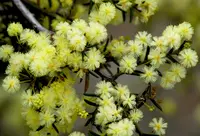
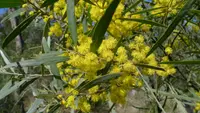
Plants usually form a dense, twiggy mound with narrow, spine-tipped phyllodes and bright yellow, ball-shaped flowers along the stems in late winter to spring. The fine, rigid foliage and spines give it a distinctly wiry look.

Acacia genistifolia is adapted to poor, well-drained soils and low to moderate rainfall, which makes it a relatively low-maintenance garden shrub in similar climates. Understanding how to care for early wattle starts with providing plenty of sun and avoiding heavy, waterlogged soils.

Main Plant Requirements

Care Difficulty

Moderate Care

Light Preference

Full Sun

Water Requirements

Low Water

Temperature Preference

Warm Climate

Hardiness Zone

9–11

Soil Texture

Sandy, Loamy, Rocky

Soil pH

Acidic (5.5–6.5), Slightly acidic (6.5–7.0)

Soil Drainage

Well-drained

Fertilization

Minimal (feed rarely)

Get Personalized Care Plan

Scan your plant to receive care tips personalized for your specific plant

Available on iOS and Android

How to Care for the early wattle

This shrub thrives in open, bright conditions typical of its native shrublands.

  • Provide full sun for 6–8 hours daily; early wattle tolerates light afternoon shade in hotter inland sites.
  • Site in an open position with unfiltered sky exposure; avoid dense tree shade, which leads to weak, leggy growth and poor flowering.
  • In summer, young plants may scorch in reflected heat from walls or paving; in winter, ensure they still receive at least 4–5 hours of direct sun.

This species prefers dry to moderately moist, free-draining soil and dislikes standing water.

  • Allow the top 5–8 cm of soil to dry before watering, using infrequent deep soakings rather than light splashes, especially for young Acacia genistifolia plants.
  • Check drainage after rain; water should drain within 1–2 hours, and puddling or sour smell indicates poor aeration and risk of root rot.
  • In hot, dry periods, watch for drooping or rolled foliage as a cue to water, while yellowing, mushy roots or algae on soil suggest overwatering.

This hardy shrub tolerates a wide range of outdoor temperatures once established.

  • Optimal growth occurs around 60–80°F (16–27°C), typical of mild temperate climates with low to moderate humidity.
  • Mature plants tolerate brief drops to about 25°F (-4°C), but young plants benefit from protection with frost cloth during their first 1–2 winters.
  • In heatwaves above 95°F (35°C), expect some leaf scorch on exposed sites; mulching the root zone helps buffer soil temperatures and reduce stress.

This species is adapted to dry climates and usually does not need special humidity management indoors or outdoors.

Acacia genistifolia prefers lean, well-drained, sandy soil that mimics its native, low-fertility habitats.

  • Use a sandy or sandy-loam mix with 30–50% coarse sand or fine gravel to keep the root zone airy.
  • Aim for slightly acidic to neutral pH around 6.0–7.0, avoiding strongly acidic or alkaline conditions that limit nutrient uptake.
  • In pots, combine native soil or low-peat potting mix with coarse sand and a little compost, keeping organic matter under about 25%.
  • Avoid heavy clay, compacted, or water-retentive mixes, which increase root rot risk and stress this drought-adapted shrub.

This shrub can be grown in containers for a time if the pot setup respects its deep, drought-adapted root system.

  • Choose a tall, heavy container that resists tipping and allows deeper root penetration rather than a wide, shallow pot.
  • Use a very fast-draining mix, then raise the pot on feet or bricks so drainage holes never sit in collected water.
  • In hot climates, prefer thick-walled or terracotta pots that slightly moderate root temperature while still allowing the mix to dry between waterings.

This nutrient-efficient Australian shrub needs only light feeding in most garden soils, especially when caring for early wattle in low-fertility, well-drained sites.

  • Use a low-phosphorus, balanced NPK fertilizer or native-plant slow-release pellets at the start of spring.
  • Feed once at the beginning of the growing season; a second light dose in midsummer is enough in poor soils.
  • Apply at half the label strength to avoid root burn and excess leafy growth.
  • Do not fertilize in winter; stop feeding in late summer to allow firm, hardened growth.

Acacia genistifolia benefits from light, well-timed pruning to maintain a compact, floriferous shape.

  • Carry out main pruning after flowering, avoiding heavy cuts into old, bare wood.
  • Remove dead, diseased, or storm-damaged stems first, then thin crowded interior shoots for airflow.
  • Tip-prune soft new growth to encourage bushier branching and more flower-bearing shoots.
  • Use clean, sharp secateurs and make angled cuts just above a healthy outward-facing bud or side shoot.

This shrub is usually grown in the ground, so focus on careful transplanting rather than frequent repotting.

  • Transplant in late winter to early spring when soil is moist and temperatures are mild.
  • Look for signs such as roots circling the pot, poor drainage, or noticeably slowed growth in containers.
  • Move up only 1 pot size, disturbing the rootball as little as possible to reduce transplant shock.
  • Water thoroughly after planting, then keep soil lightly moist and shaded for 1–2 weeks while roots re-establish.

New plants are most often raised from seed, with semi-hardwood cuttings an option for experienced growers.

  • Collect ripe seed in late summer to autumn and store dry until sowing in late winter or early spring.
  • Scarify hard seeds by nicking the coat or pouring hot (not boiling) water over them, then soak 12–24 hours.
  • Sow in a very free-draining native mix, keep at 64–72°F with bright light, and maintain slight, not heavy, moisture.
  • For cuttings, use semi-hardwood tips with rooting hormone and bottom heat, ensuring high humidity and excellent drainage.

This species is moderately cold hardy in mild-winter regions and usually needs only minimal winter care in the ground.

  • Tolerates light frosts but can suffer damage in prolonged freezes, especially on young growth.
  • Apply a 5–8 cm mulch layer around the root zone, keeping it slightly away from the stem base.
  • Shelter young or potted plants from harsh winds and excessive winter rain to limit stress and root problems.
  • In colder zones, grow in containers and move to a bright, frost-free spot during the coldest periods.

Care Tips

Encourage Bushy Habit

Pinch or lightly tip-prune young shoots after flowering to encourage a denser, wind-resistant framework rather than tall, straggly growth.

Protect From Root Disturbance

Install a clear mulched zone 20–30 cm around the base and avoid deep cultivation or frequent replanting nearby, as this species dislikes damage to its fine feeder roots.

Targeted Phosphorus Control

If planting near lawns or high-phosphorus garden beds, create a slight raised berm and avoid runoff into the root zone, as excess phosphorus can suppress growth in this species.

Storm and Wind Management

In exposed sites, lightly thin out overly long, top-heavy stems in late summer so the shrub flexes rather than snaps during storms, especially in young plants.

Planned Succession Planting

Because this wattle can be relatively short-lived, start new plants from seed or tube stock every 5–7 years in staggered positions to maintain a continuous display when growing early wattle.

Common Pests and Diseases

Wattle twig borers

This pest tunnels into young stems and branchlets, causing dieback and weak, brittle growth on early wattle shrubs. Symptoms include sudden wilting of individual shoots, small entry holes, and brown, hollowed pith inside affected stems.

Solution

Prune and destroy infested shoots well back into healthy wood, disinfecting tools between cuts. Improve plant vigor with adequate sun and free-draining soil, and avoid heavy pruning in late spring when adults are most active, which helps reduce successful egg-laying and supports long-term Acacia genistifolia care.

Scale insects

These insects attach to stems and the underside of phyllodes (leaf-like structures), sucking sap and weakening plants over time. Symptoms include small dome-shaped or flattened bumps, sticky honeydew, and sooty mold growth on affected parts.

Solution

Wipe or gently scrub small populations off stems and phyllodes with a cloth or soft brush dipped in mild soapy water, then rinse. For larger infestations, use a horticultural oil spray labeled for ornamental shrubs, applied thoroughly to stems and undersides of phyllodes during mild weather, and repeat as directed until new growth is clean.

Wattle rust

This disease causes orange to brown pustules on phyllodes and young stems, sometimes leading to distortion or premature leaf drop. Symptoms include powdery or crusty rust spots that may coalesce in humid or crowded conditions.

Solution

Remove and dispose of affected phyllodes and small twigs, avoiding overhead watering that keeps foliage wet. Improve airflow around the plant by spacing and light pruning, and in persistent cases, use a sulfur or copper-based fungicide labeled for rust on ornamental trees, applied according to label directions.

Armillaria root disease

This disease, caused by Armillaria fungi, leads to progressive decline, yellowing foliage, sparse canopy, and eventual death, especially in compacted or previously forested soils. Symptoms include white fungal sheets under bark near the base and honey-colored mushrooms around the roots in damp conditions.

Solution

Remove severely affected plants including as much root material as possible and avoid replanting susceptible woody species in the same spot. Improve drainage, avoid overwatering, and maintain strong plant health in nearby specimens to reduce spread, since there is no reliable curative treatment once infection is advanced.

Leaf-spotting fungi

This disease group produces small dark or tan spots on phyllodes that may merge into larger blotches, sometimes with a yellow halo. Symptoms include cosmetic damage and occasional early leaf drop on stressed or crowded plants, especially after extended wet periods.

Solution

Collect and discard fallen infected phyllodes, and avoid wetting foliage during irrigation. Where spotting is persistent or severe, thin nearby vegetation for better airflow and, if needed, apply a broad-spectrum ornamental fungicide in early spring to protect new growth, following label directions carefully.

Interesting Facts

Rigid spiny foliage

This species has very stiff, narrow, almost needle-like phyllodes that end in a sharp point, forming a naturally prickly shrub that provides shelter for small birds and deters browsing animals.

Winter–spring flowering

It typically produces masses of small, pale yellow, globular flower heads from late winter to early spring in southeastern Australia, helping support native pollinators at a time when other floral resources are often limited.

Dry heathland specialist

The plant is naturally common in dry heaths and open woodlands on well-drained, often sandy or gravelly soils in New South Wales and Victoria, showing strong adaptation to low-nutrient, periodically dry environments.

Botan icon

Did you know?

This species is known as a reliable post-fire regenerator in parts of its native range, often re-establishing from soil-stored seed after bushfire and contributing to early structural cover in recovering heath and woodland communities.

FAQs about early wattle

This species usually flowers in late winter to early spring, producing small pale to bright yellow globular heads along the stems. Flowering time varies by climate but often extends for several weeks in mild, low-frost areas.

Grow Healthy Plants with Botan Care

Keep your plants happy and healthy with plant identification, disease detection, and easy care guidance.

Botan plant care app — identify plants on mobile

Explore More Plants