Early formative pruning
In the first 2–3 years, lightly tip-prune new shoots after flowering to encourage a denser framework and reduce the risk of tall, weak, wind-prone stems later.

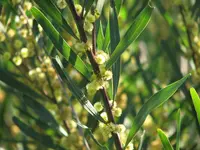
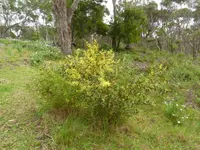
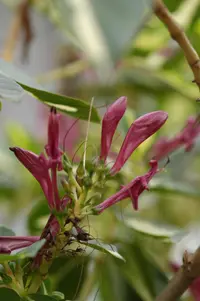
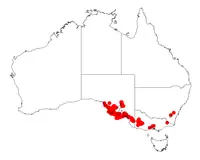
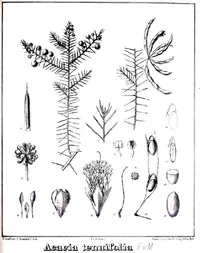
Hop wattle (Acacia stricta) is an evergreen shrub or small tree from southeastern Australia, often found in open forests, woodlands, and along disturbed roadsides. It has slender, upright stems and narrow, leaf-like phyllodes, giving it a fine, airy texture. In season, it produces bright yellow, cylindrical flower clusters that attract insects and add strong color. This species grows quickly and adapts to a range of soils, especially well-drained, slightly acidic ground. It generally prefers full sun to light shade and moderate moisture. These traits make it relatively straightforward to care for Hop wattle in suitable climates, provided root drainage is good.

Care Difficulty
Easy Care

Light Preference
Full Sun

Water Requirements
Low Water

Temperature Preference
Warm Climate

Hardiness Zone
9–11

Soil Texture
Sandy, Loamy, Rocky

Soil pH
Acidic (5.5–6.5), Slightly acidic (6.5–7.0)

Soil Drainage
Well-drained

Fertilization
Minimal (feed rarely)
Scan your plant to receive care tips personalized for your specific plant
Available on iOS and Android
Acacia stricta prefers bright conditions typical of open woodland edges or scrub.
This drought-tolerant shrub prefers deep, infrequent watering once established.
This species suits mild to warm climates with low frost risk.
This Australian shrub handles a wide humidity range and rarely needs special humidity care indoors.
Acacia stricta prefers light, fast-draining soil that mimics its native sandy to loamy habitats.
This species can be grown in containers if its fast-draining root conditions and eventual size are managed carefully.
Acacia stricta is adapted to low-nutrient soils, so use fertilizer sparingly for container or poor-site plants.
Pruning Acacia stricta is mainly for structure, safety, and plant health rather than heavy shaping.
Transplanting or shifting Acacia stricta is done infrequently, as this species prefers minimal root disturbance.
Propagation of Acacia stricta is commonly done from seed, with cuttings used less often.
In mild-winter climates, Acacia stricta generally needs little winter care once established in the ground.

Plant Health Check
Not sure what's wrong with your plant? Check your plant's health inside the app.
This species forms root nodules with nitrogen-fixing bacteria, allowing it to colonize poor, disturbed soils and enrich them for later plant communities.
Its pale yellow, lightly scented flower heads attract a suite of native Australian insects, including small bees and flies, which are important pollinators in its natural shrubland and woodland habitats.
In its native range, this shrub often regenerates vigorously after bushfire, using seed that can be stimulated to germinate by heat or smoke exposure.

Acacia stricta is commonly used in Australian habitat restoration projects because it establishes quickly, stabilizes soil, and provides early shelter and food resources for native birds and insects, acting as a structural framework while slower-growing species mature.
Lack of flowers usually comes from insufficient light, heavy or frequent pruning, or excess nitrogen fertilizer. Mature plants bloom best with strong sun, well-drained soil, and only light shaping after flowering, following general Acacia stricta plant care principles.
Keep your plants happy and healthy with plant identification, disease detection, and easy care guidance.