


vine maple Identification (Acer circinatum)

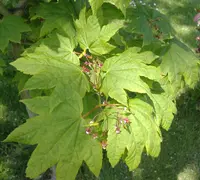
To recognize vine maple, look for nearly round, palm-shaped leaves with 7 to 9 pointed lobes and opposite leaf pairs along the twig.

It usually grows as a multi-stemmed small tree or large shrub, often with arching trunks, and bears hanging clusters of small red flowers with long, narrow petals.

Acer circinatum Identification

Check Your Plant ID

Check your plant ID by uploading a clear photo to Botan.

Clear images work best. Avoid photos taken too close or too far away

  • 1 free identification
  • No sign-up
  • 30,000+ plants in database

Check a few easy structural traits before looking closer.

  • Leaves are nearly round, 2 to 5 inches (5 to 13 cm) wide, with 7 to 9 shallow, pointed lobes radiating from one point.
  • Leaves occur in opposite pairs along the twigs, a standard maple pattern that is easy to see.
  • The plant often forms a large shrub or small tree with several slender trunks and arching, layered branches.
  • Fruits are paired winged samaras that spread in a broad angle, often close to straight across.

Use the leaf shape and opposite branching together for the quickest check.

Acer circinatum shows clear visual shifts from seedling through flowering and fruiting stages.

  • Seedling: Seedlings have opposite first leaves and then small, roundish true leaves with shallow lobes; stems are slender and upright, lacking the layered branching seen later.
  • Young plant: Young plants form a low, many-stemmed framework, often arching rather than trunked; leaves broaden and show 7-9 palmate lobes, creating the species' circular outline.
  • Flowering stage: Flowering plants carry small dangling clusters before full leaf expansion; each bloom shows reddish sepals and paler petals, making branch tips look lighter and more open.
  • Fruiting stage: Fruiting branches display paired winged samaras that blush red as they mature; the spreading wings add a distinct, dangling texture absent during flowering.

In spring, Acer circinatum leafs out with soft green, almost round leaves and small reddish flowers that hang in loose clusters. By late spring to early summer, paired winged seeds become visible and help confirm the species. Fall is often the clearest season for recognition. The leaves turn bright yellow, orange, or red before dropping, and winter reveals the layered, arching branch structure and opposite buds on bare stems.

A few maples can be mistaken for vine maple at a glance.

Japanese maple(Acer palmatum)

Both have palm-shaped leaves with deep lobes. Japanese maple usually has 5-7 sharply pointed lobes and a more upright, tree-like habit, while vine maple often has 7-9 broader, rounder lobes and arching, layered branches.

Douglas maple(Acer glabrum var. douglasii)

Both are western native maples with similar green, lobed leaves. Douglas maple is more often an upright shrub or small tree with shallower lobes, while Acer circinatum typically shows rounder leaves and a spreading, vine-like framework.

Acer circinatum is native to the Pacific Northwest, from southwestern British Columbia through Washington and Oregon into northern California. Knowing that range helps separate it from similar small maples outside that region. It is most often found in moist forests, especially as an understory tree in coastal and low-mountain woods, along streambanks, and on shaded slopes. In the wild, seeing it in cool, wet woodland is a useful identification clue.

Not Sure About the ID?

Use Botan to identify or confirm the plant from a photo, which helps reduce mix-ups before you label or buy it.

FAQ

The quickest clue is the nearly round maple leaf with 7 to 9 shallow lobes and a broad, open shape. For vine maple identification, note its layered, arching form rather than a tall, upright tree habit.

More Plant Identification Guides

From Plant ID to Plant Info

Identify a plant from a photo with Botan, then get plant details, care information, and common problems for that species.

Botan app identifying a plant from a photo
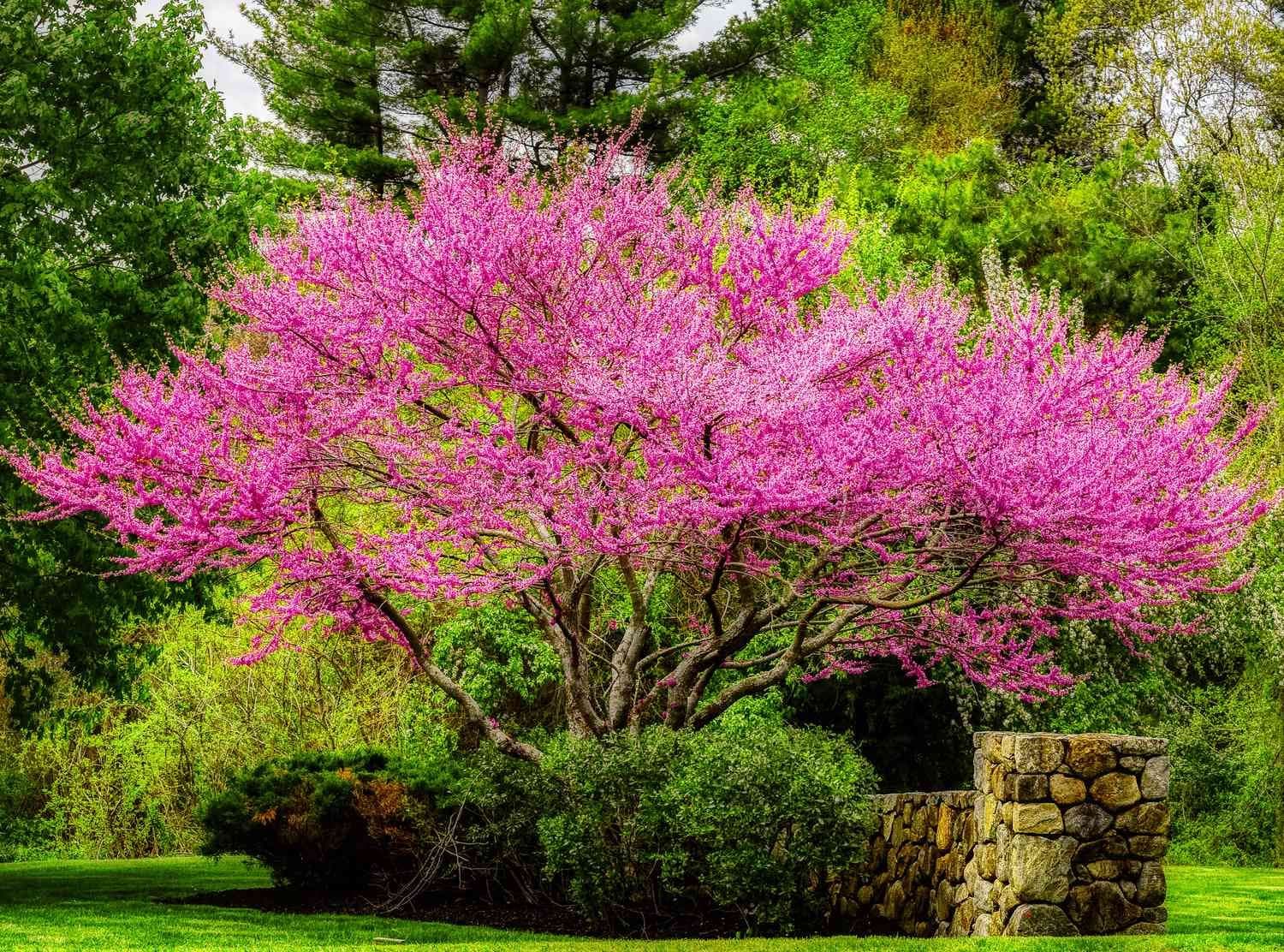
How to Mist Plants – Proper Technique and Common Mistakes

7 min read · 30 Jul 2026

How to Mist Plants – Proper Technique and Common Mistakes

Find out when misting works well and when to avoid it. Here, you’ll find detailed information about compatible and incompatible species, tips on how often to mist plants and do it correctly, and some great alternatives for raising humidity.

Beginner Guides
How to Mist Plants – Proper Technique and Common Mistakes
Top 15 Fast-Growing Trees For Your Garden

13 min read · 28 Jul 2026

Top 15 Fast-Growing Trees For Your Garden

Learn which of the 15 fastest-growing trees will suit your area. We’ll share detailed information on each: growth rate, mature spread, key tree demands, and main vulnerabilities. Read on and make the best choice possible.

Plant Recommendations
Top 15 Fast-Growing Trees For Your Garden
How to Mulch in the Fall and When to Wait Until Spring

5 min read · 12 Nov 2026

How to Mulch in the Fall and When to Wait Until Spring

In the fall, mulch gives the roots of trees and shrubs insulation and more stable conditions through winter. In the spring, it mainly suppresses weeds and keeps moisture in the soil during the growing season.

Beginner Guides
How to Mulch in the Fall and When to Wait Until Spring