Syrian Maple Care (Acer obtusifolium)

Syrian Maple

About Syrian Maple

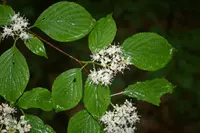
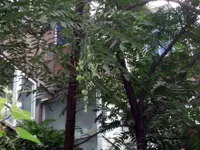
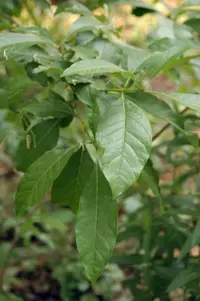
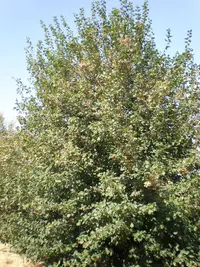
Syrian maple, Acer obtusifolium, is a small to medium deciduous tree or large shrub with a rounded crown and thick, often leathery leaves. It tends to form a dense, multi-stemmed structure that suits windbreaks and informal hedging.

This species occurs naturally in the Eastern Mediterranean, especially in Syria, Lebanon, and nearby regions, where it grows on rocky, dry slopes and hillsides. Its tolerance of heat, drought, and poor, stony soil makes it relatively resilient once established.

In mild climates, gardeners can care for Syrian Maple in sunny, well-drained sites, where it develops steady growth and modest autumn color without demanding intensive maintenance.

Main Plant Requirements

Care Difficulty

Moderate Care

Light Preference

Full Sun

Water Requirements

Low Water

Temperature Preference

Warm Climate

Hardiness Zone

8–10

Soil Texture

Sandy, Loamy, Rocky

Soil pH

Slightly alkaline (7.0–7.5), Alkaline (7.5–8.5)

Soil Drainage

Well-drained

Fertilization

Minimal (feed rarely)

Get Personalized Care Plan

Scan your plant to receive care tips personalized for your specific plant

Available on iOS and Android

How to Care for the Syrian Maple

This drought-tolerant maple prefers bright outdoor conditions with protection from harsh extremes.

  • Provide 4–6 hours of direct morning sun with light afternoon shade; eastern or northeast exposure suits Syrian Maple in hot-summer regions.
  • Tolerates light to moderate partial shade, but dense shade reduces growth and canopy density; expect looser branching and fewer leaves over time.
  • In very hot areas, protect from strong sun 1–5 pm to prevent leaf scorch; in cooler climates, full sun all day is usually safe.

This species prefers evenly moist but never waterlogged soil, especially during establishment.

  • Water when the top 3–5 cm of soil feel dry, focusing on deep soaking of the root zone rather than frequent shallow watering.
  • During the first 2–3 growing seasons, monitor closely in warm, dry weather; drooping, dull foliage signals thirst, while yellowing leaves and soft stems suggest overwatering.
  • Ensure well-drained, gritty or loamy soil so excess water runs off; Acer obtusifolium becomes more drought tolerant once roots are established.

This maple is adapted to warm, dry climates but still requires protection from temperature extremes when young.

  • Optimal growing temperatures are about 65–85°F (18–29°C), with strongest growth in mild spring and early summer conditions.
  • Mature trees tolerate roughly 15–20°F (-9 to -6°C), but young plants benefit from protection during hard frosts and cold, drying winds.
  • In hot regions with summer highs above 95°F (35°C), provide mulch and some afternoon shade to reduce root stress and leaf scorch risk.

This species tolerates relatively dry air and usually does not need special humidity control outdoors.

  • Target ambient humidity around 30–50% for healthy foliage, which is standard in many temperate outdoor climates.
  • Leaves curling at the edges or browning between veins typically reflect drought or root stress rather than low air humidity.
  • If grown in a very hot, dry microclimate, light mulching and occasional deep watering reduce moisture stress more effectively than misting.

Acer obtusifolium prefers well-structured, free-draining mineral soil to establish a deep, resilient root system.

  • Use a loamy or sandy-loam soil with moderate organic matter, allowing water to infiltrate but not stay saturated.
  • Aim for slightly alkaline to neutral pH, roughly 7.0–8.0, which suits its natural Mediterranean-type habitats.
  • In planting mixes, combine native soil with coarse sand or fine gravel and a modest amount of compost to improve structure and infiltration.
  • Avoid compacted clay, standing water, or heavily peat-based mixes that hold excess moisture and reduce root aeration.

This maple can be grown in containers for some years, especially in dry or exposed sites where controlled soil conditions are helpful.

  • Choose a deep, heavy container that resists tipping in wind as the woody canopy becomes broader and more top-heavy.
  • Select a gritty substrate and leave a drainage layer-free bottom so water can exit rapidly through the pot’s holes without pooling zones.
  • Use light-colored pots in hot climates to reduce root-zone temperature spikes and moisture loss extremes at the container wall.

Acer obtusifolium benefits from light, thoughtful feeding but grows acceptably in lean soil once established.

  • Use a balanced, slow-release fertilizer (around 10-10-10) or a thin layer of finished compost in early spring.
  • Feed established trees only 1–2 times during the growing season, focusing near the drip line, not the trunk.
  • Dilute liquid feeds to 50% strength for young or container-grown Syrian Maple to avoid root burn.
  • Stop feeding 6–8 weeks before expected frost to allow shoots to harden before winter.

Pruning Acer obtusifolium is mainly about maintaining structure and removing weak growth, not constant shaping.

  • Time any structural pruning for late winter to very early spring, before buds swell.
  • Remove dead, diseased, crossing, or inward-growing branches first to improve airflow and light penetration.
  • Use clean, sharp bypass pruners or a pruning saw, making cuts just outside the branch collar.
  • Limit canopy reduction to about 20% at one time to avoid excessive stress and weak regrowth.

This maple is usually grown in the ground, so focus on careful transplanting rather than frequent repotting.

  • Transplant Acer obtusifolium in late fall or very early spring when the tree is dormant to reduce shock.
  • Look for circling roots, slow growth, or a root-bound container as signs a young plant must move to a larger site.
  • Dig a wide, shallow planting hole, gently loosen outer roots, and keep the root flare level with the soil surface.
  • Water deeply after planting and mulch 5–8 cm around, but not touching the trunk, to stabilize moisture and temperature.

Propagation of Acer obtusifolium is possible but somewhat technical, most often done from seed or semi-ripe cuttings.

  • Collect ripe seeds in fall, then cold-stratify for 2–3 months at about 34–41°F before spring sowing.
  • Sow seeds in a free-draining mix, just covered, and keep evenly moist with bright, indirect light.
  • Take semi-ripe cuttings in midsummer, apply rooting hormone, and place in a humid, warm (68–75°F) environment.
  • Use bottom heat and good air movement to reduce rot and encourage steady rooting.

This species is moderately cold hardy and usually needs only light winter care in climates without extreme freezes.

  • Once dormant, Acer obtusifolium tolerates brief light frosts but may suffer in prolonged freezes below its hardiness range.
  • Apply 5–8 cm of organic mulch around the root zone in late fall, keeping it away from direct trunk contact.
  • For young or container plants in colder regions, move pots to an unheated garage or sheltered wall to buffer temperature swings.

Care Tips

Wind-hardening young plants

In the first 2–3 seasons, allow light wind exposure but use low stakes and soft ties to prevent whip damage, gradually reducing support so the trunk develops strong taper and anchoring roots.

Selective branch training

Choose 3–5 well-spaced primary branches and lightly shorten or remove competing shoots in late winter to build a stable, open framework that resists storm damage and improves airflow in the canopy.

Deep root establishment

During the first 3–4 years, apply water in a wide ring at the dripline instead of near the trunk to encourage deep, outward-spreading roots that improve drought tolerance when growing Syrian Maple.

Reflective mulch use

In hot, dry climates, use a light-colored mineral mulch such as gravel around but not touching the trunk to reflect heat, suppress weeds, and keep the root zone drier and better aerated.

Salt and dust management

If planted near roads or coastal areas, hose off foliage and young twigs a few times each dry season to remove dust and de-icing salt, reducing leaf scorch and improving photosynthesis efficiency.

Common Pests and Diseases

Maple leafhopper

This pest feeds on the sap of young leaves, leading to pale stippling, slight curling, and reduced vigor, especially on sun-exposed shoots in dry sites.

Solution

Monitor new growth from spring to early summer and, if activity is high, hose foliage with a strong stream of water and introduce or conserve natural predators such as lacewings. In heavier infestations, use a targeted insecticidal soap or neem oil spray on the undersides of leaves in the evening, repeating every 7–10 days until new leaves develop normally.

Maple gall mites

These insects cause small, often reddish or pale galls or blisters on leaves, which can make the canopy look distorted but rarely threaten tree survival.

Solution

Rake and remove fallen leaves in autumn to reduce overwintering mites. For valuable specimens with heavy, recurring damage, apply horticultural oil during late winter dormancy to smother overwintering stages, and avoid excessive nitrogen fertilization that encourages soft, susceptible foliage.

Verticillium wilt

This disease causes sudden wilting, branch dieback, and uneven yellowing, often on one side of the tree, due to a soil-borne fungus blocking water movement in the xylem tissue.

Solution

Prune out wilted or dead branches well into healthy wood, disinfecting tools between cuts, and reduce stress by deep but infrequent watering and maintaining a wide, mulched root zone. Severely affected trees cannot be cured; avoid replanting maples or other susceptible species in the same spot and choose resistant species if replacement is needed as part of long-term Acer obtusifolium care.

Powdery mildew

This disease appears as a white or gray powdery coating on leaves, especially in late summer when nights are cool and humidity is high, and can cause premature leaf drop on young or shaded trees.

Solution

Improve air circulation by selective thinning of crowded interior shoots and avoid overhead watering in the evening. For recurring problems, apply a sulfur-based or potassium bicarbonate fungicide at the first sign of symptoms and repeat according to label directions until weather conditions shift to drier, warmer patterns.

Bacterial leaf scorch

Symptoms include marginal browning and crisping of leaves, often with a yellow band between healthy and dead tissue, progressing to branch dieback in hot, dry summers.

Solution

Reduce drought stress with deep watering during prolonged dry periods and maintain a 5–8 cm organic mulch layer over the root zone, keeping it away from the trunk. Prune out dead or declining branches and dispose of them, and avoid wounding roots or stems, as there is no direct cure and management focuses on extending the life of the tree and limiting spread to nearby maples.

Interesting Facts

Semi-evergreen drought survivor

This Syrian maple often keeps part of its foliage in mild winters yet tolerates very dry, rocky sites in its native range in the Eastern Mediterranean.

Adapted to limestone slopes

It naturally grows on calcareous, often limestone-rich hillsides and cliffs, showing a strong tolerance to alkaline, shallow soils that stress many other tree species.

Small samaras for wind

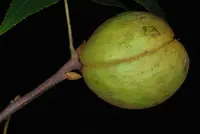
Its winged fruits (samaras) are relatively small and light, aiding wind dispersal across open, scrubby habitats rather than closed, dense forests.

Botan icon

Did you know?

This species is one of the few maples that can form part of low, drought-tolerant woodland and scrub communities in the Levant, helping stabilize shallow soils on steep, erosion-prone slopes.

FAQs about Syrian Maple

This species is semi-evergreen to evergreen in mild climates, often holding foliage through winter unless exposed to strong frost or prolonged cold. In harsher conditions it may behave more like a deciduous tree and shed many leaves.

Grow Healthy Plants with Botan Care

Keep your plants happy and healthy with plant identification, disease detection, and easy care guidance.

Botan plant care app — identify plants on mobile

Explore More Plants