Manchurian Striped Maple Care (Acer tegmentosum)

Manchurian Striped Maple

About Manchurian Striped Maple

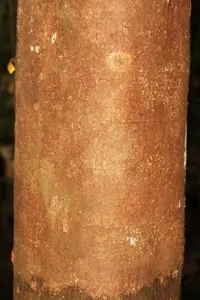
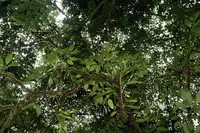
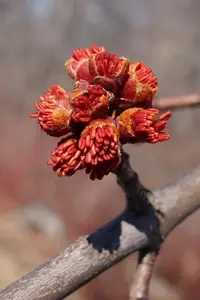
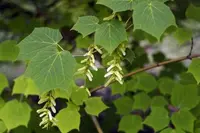
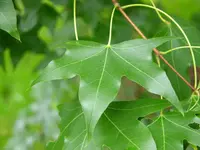
Manchurian striped maple, Acer tegmentosum, is a small to medium deciduous tree valued for its striking green bark lined with pale vertical stripes. Its rounded crown and attractive foliage make it a good choice for ornamental gardens and woodland edges.

This species is native to northeastern Asia, including parts of Manchuria, Korea, and eastern Russia, where it grows in cool, moist forests. It is generally moderate in difficulty, as it prefers stable moisture, shelter from harsh heat, and well-drained, humus-rich soil.

Gardeners who learn how to care for Manchurian Striped Maple usually find it reliable in cool to mild climates, with good performance in partial shade and protected sites.

Main Plant Requirements

Care Difficulty

Moderate Care

Light Preference

Partial Shade

Water Requirements

Regular Water

Temperature Preference

Cold Hardy

Hardiness Zone

4–7

Soil Texture

Loamy, Silty, Organic-rich

Soil pH

Acidic (5.5–6.5), Slightly acidic (6.5–7.0)

Soil Drainage

Moist but well-drained

Fertilization

Minimal (feed rarely)

Get Personalized Care Plan

Scan your plant to receive care tips personalized for your specific plant

Available on iOS and Android

How to Care for the Manchurian Striped Maple

This maple prefers bright outdoor conditions with protection from harsh summer sun.

  • Provide 4–6 hours of morning sun with light afternoon shade; east or northeast exposure suits Manchurian Striped Maple well.
  • Tolerates partial shade, but very dense shade reduces vigor and autumn color; aim for dappled light under taller trees.
  • In hot summers, shield from strong afternoon sun to prevent leaf scorch; in cooler climates, slightly more direct sun is beneficial.

This species prefers consistently moist but not saturated soil.

  • Water when the top 3–5 cm of soil feel dry, allowing deeper soil to remain slightly moist, especially during the first 3–5 years after planting.
  • In spring and early summer, monitor weekly and adjust after heavy rain to avoid standing water, which encourages root rot and pale, yellowing leaves.
  • During dry heat or drought, increase deep watering; drooping or curling leaves signal thirst, while blackened new roots or soggy soil suggest excess moisture for Acer tegmentosum.

This hardy maple tolerates cold climates but still benefits from moderate growing-season temperatures.

  • Optimal growth occurs around 60–75°F (16–24°C) in spring and early summer, with cool nights supporting strong shoot and leaf development.
  • The tree is cold hardy and can withstand drops near -20°F (-29°C) once established, though young plants appreciate mulch to buffer winter soil temperature.
  • During heat waves above 86–90°F (30–32°C), provide extra water and afternoon shade to reduce heat stress, leaf scorch, and premature leaf drop.

This maple handles a broad humidity range and usually does not need special humidity management outdoors.

  • Performs well in 30–70% humidity, typical of most temperate gardens.
  • Tolerates short dry spells if soil moisture is maintained and roots are not allowed to dry out completely.
  • Low humidity stress shows as marginal leaf browning and early leaf drop, so maintain consistent soil moisture rather than trying to humidify the air.

Acer tegmentosum prefers moist, well-aerated, humus-rich soil that mimics a woodland forest floor.

  • Use a loamy structure with roughly equal parts garden loam, compost, and fine bark to hold moisture yet stay open around the roots.
  • Ensure drainage is free but not fast-draining sand-only; aim for soil that stays lightly moist without puddling after rain or watering.
  • Target a slightly acidic to neutral pH, around 5.5–7.0, avoiding very alkaline conditions that can cause chlorosis, seen as pale leaves with green veins.
  • Improve aeration and drainage in heavy clay by incorporating 20–30% compost plus fine pine bark, avoiding siting in low-lying, waterlogged spots.

This species can be grown in large containers for some years but is better suited to eventual in-ground planting.

  • Choose a heavy, wide-based container to prevent wind rock, as the canopy becomes increasingly top-heavy with age.
  • Use a deep pot that allows a broad root zone, since constricted roots dry rapidly and reduce drought resilience.
  • Select a thick-walled, non-metal container to buffer root temperature swings and slow surface evaporation in sun-exposed positions.

This maple grows well in reasonably fertile soil and only benefits from light, targeted feeding.

  • Apply a balanced slow-release fertilizer (around 10-10-10) once in early spring as new growth begins.
  • Use a thin layer of compost over the root zone annually to support soil structure and nutrition when caring for Manchurian Striped Maple.
  • Dilute liquid fertilizers to 1/2 strength if used, and avoid applying to dry soil to prevent root burn.
  • Stop feeding by late summer and avoid fertilization in fall and winter to let growth harden and enter dormancy.

Acer tegmentosum responds well to light, structural pruning to maintain health and form.

  • Schedule main pruning in late winter to very early spring, before sap flow and bud break.
  • Remove dead, diseased, or damaged branches first, then thin crowded interior shoots to improve airflow and light penetration.
  • Use clean, sharp bypass pruners or a pruning saw, making smooth cuts just outside the branch collar.
  • Limit canopy reduction to small amounts each year to preserve natural shape and avoid excessive stress.

This species is usually grown in the ground, so focus on careful site planting and occasional transplanting when young.

  • Transplant in early spring or early fall, when temperatures are mild and soil is workable.
  • Look for signs such as roots circling a nursery container, poor drainage, or stalled growth before moving the plant.
  • Dig a wide planting hole, loosen circling roots gently, and set the root flare at soil level to reduce stress.
  • Water deeply after planting, mulch 5–8 cm around (not against) the trunk, and keep soil evenly moist until established.

Acer tegmentosum is typically propagated by seed or specialist grafting, so home propagation is moderate to challenging.

  • Collect ripe seeds in fall, clean, and cold-stratify them in moist medium at 34–41°F for 2–3 months.
  • Sow stratified seeds in spring in a free-draining mix, keeping it consistently moist and shaded from harsh sun.
  • Softwood cuttings taken in early summer sometimes root under high humidity with bottom heat, but success rates are low.
  • Grafting onto compatible Acer rootstocks is common in nurseries but requires skill and appropriate tools.

This maple is cold hardy in much of the northern US and usually needs only minimal winter care once established.

  • Tolerates freezing temperatures in suitable USDA zones but benefits from gradual acclimation in late fall.
  • Apply 5–8 cm of organic mulch over the root zone to buffer soil temperature and moisture fluctuations.
  • For young or container plants, shield roots from severe freezes with extra mulch, pot insulation, or an unheated but sheltered spot.

Care Tips

Bark Sun Protection

On young trees, wrap the lower trunk with a breathable tree guard or use a shade cloth panel on the southwest side during late winter to prevent sunscald that can damage the striped bark.

Low-Branch Retention

When pruning, keep several low, well-spaced branches rather than limbing up too high, as this helps shade the trunk, reduces bark stress, and supports a more natural, wind-resistant structure.

Mulch for Root Cooling

Maintain a 5–8 cm layer of shredded bark or leaf mulch over the root zone, pulled back from the trunk, to keep roots cool in summer and to protect fine feeder roots from winter temperature swings.

Wind and Snow Management

In exposed sites, install a windbreak fence or plant companion shrubs on the prevailing-wind side, and gently shake heavy, wet snow from branches during thaws to reduce the risk of limb breakage.

Underplanting Strategy

Plant low, shade-tolerant groundcovers beneath the canopy to keep the soil cooler, conserve moisture, and create a stable microclimate that supports long-term success when growing Manchurian Striped Maple.

Common Pests and Diseases

Verticillium wilt

This disease causes sudden wilting and dieback of branches, often starting on one side of the crown, with discolored streaks sometimes visible in the sapwood.

Solution

Prune out and destroy affected branches back to healthy wood, disinfecting tools between cuts, and reduce stress by maintaining even soil moisture and a 5–8 cm mulch layer over the root zone. Avoid planting new maples in the same spot and choose non-susceptible species if removal becomes necessary.

Tar spot

This disease produces yellow spots on leaves that develop into raised, black, tar-like patches late in the season, especially in humid, still conditions.

Solution

Rake and dispose of fallen leaves in autumn to remove overwintering spores, and maintain good spacing and airflow around the tree to keep foliage drier. Fungicide sprays are rarely necessary for Acer tegmentosum care and are usually reserved for severe, repeated infections in high-value specimens.

Powdery mildew

This disease shows as white, powdery patches on the upper leaf surface, leading to leaf distortion and premature leaf drop in shaded or crowded sites.

Solution

Improve light and air movement by thinning nearby vegetation and avoiding overhead watering, then remove heavily affected leaves where practical. In persistent cases, apply a labeled horticultural oil or potassium bicarbonate product according to instructions during early symptom development.

Scale insects

These insects appear as small, fixed bumps on stems and undersides of branches, feeding on sap and causing branch weakening, leaf yellowing, and honeydew deposits.

Solution

Prune out heavily infested twigs and gently scrub remaining scales with a soft brush and soapy water on smaller trees. For larger specimens, apply horticultural oil during the dormant season or at crawler stage, following label directions and avoiding application during temperature extremes.

Aphids

These insects cluster on young shoots and leaf undersides, sucking sap and causing curled leaves, sticky honeydew, and sometimes sooty mold on bark and foliage.

Solution

Spray colonies off with a firm stream of water and remove heavily infested soft tips if needed, then encourage natural predators by minimizing broad-spectrum insecticide use. Where populations remain high, use insecticidal soap or a light horticultural oil directed at leaf undersides and new growth, repeating as needed according to label guidance.

Interesting Facts

Snake-barked trunk

This species develops green bark marked with pale, vertical stripes that resemble a snake’s skin, a classic feature of the snakebark maples group it belongs to.

Cold-climate specialist

Native to the Russian Far East, northeastern China, and the Korean Peninsula, it is adapted to long, cold winters and shows high tolerance to low temperatures compared with many other maples.

Shade-tolerant understory tree

In its native forests it often grows as a small understory or woodland-edge tree, which explains its natural preference for cool roots and protection from intense afternoon sun when cultivated.

Botan icon

Did you know?

This species was first described from material collected in the Manchurian region, and its distinctive striped bark has made it an important parent in breeding programs for ornamental snakebark maples used in temperate gardens.

FAQs about Manchurian Striped Maple

This tree has a moderate growth rate, usually adding about 20–30 cm per year once established. Growth is quicker in cool climates with evenly moist, fertile soil and slows in heat, drought, or compacted ground.

Grow Healthy Plants with Botan Care

Keep your plants happy and healthy with plant identification, disease detection, and easy care guidance.

Botan plant care app — identify plants on mobile

Explore More Plants