Pinch for Bushiness
Lightly pinch back soft shoot tips once or twice early in the season to encourage a denser, more branched plant with more flowering stems.

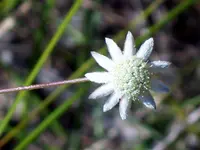
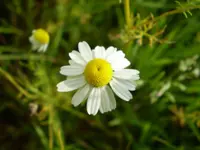
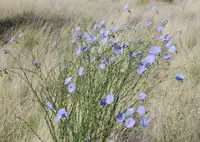
Lesser flannel flower, Actinotus minor, is a small, short-lived perennial native to eastern Australia, often found in open woodland and heathland. It forms low, branching clumps with finely divided, soft foliage and delicate star-shaped flower heads that resemble tiny daisies.
The plant has a light, airy look and a relatively shallow root system, which makes it sensitive to disturbance and drought stress. It can be rewarding but somewhat challenging in cultivation, as it prefers well-drained, slightly sandy soil and steady moisture without waterlogging.
Good air circulation and bright light, ideally with some protection from intense heat, support healthier growth. Understanding how to care for Lesser Flannel Flower helps reduce losses and extend its ornamental life in pots or rock gardens.

Care Difficulty
Hard Care

Light Preference
Full Sun

Water Requirements
Low Water

Temperature Preference
Warm Climate

Hardiness Zone
9–11

Soil Texture
Sandy, Loamy, Rocky

Soil pH
Acidic (5.5–6.5), Slightly acidic (6.5–7.0)

Soil Drainage
Well-drained

Fertilization
Minimal (feed rarely)
Scan your plant to receive care tips personalized for your specific plant
Available on iOS and Android
This small Australian native prefers bright conditions with some protection from intense midday sun.
This species prefers evenly moist but free-draining soil that never stays saturated for long.
This plant grows best in mild, frost-free conditions with moderate seasonal variation.
This species prefers low to moderate humidity and usually copes well with typical indoor air.
Actinotus minor needs fast-draining, sandy soil to avoid root rot and mimic its native habitat.
This species is suitable for container growing when the pot and medium are chosen to stay sharply drained.
Actinotus minor grows in nutrient-poor soils and needs only light feeding in cultivation.
Actinotus minor benefits from light, careful pruning to maintain compact, flowering growth.
This species dislikes heavy root disturbance, so repot or transplant Actinotus minor only when clearly needed.
Propagation of Actinotus minor is usually done from seed under controlled conditions.
Actinotus minor prefers mild, frost-free winters and benefits from simple protection in colder areas.

Plant Health Check
Not sure what's wrong with your plant? Check your plant's health inside the app.
This species is naturally restricted to eastern Australia, where it grows on shallow, sandy soils over sandstone, often in exposed heath and open woodland sites that many other herbs cannot tolerate.
Actinotus minor usually behaves as a short-lived annual in the wild, completing its life cycle within a single growing season and regenerating mainly from seed after suitable rainfall.
Its woolly, starry flower heads are actually clusters of many tiny florets surrounded by petal-like bracts, an example of an inflorescence common in the Apiaceae family.
Poor flowering usually comes from insufficient light, nutrient-poor or overly rich soil, or plants that are too young. Light pruning after flowering and avoiding heavy nitrogen feeds can improve bud formation in the next season.
Keep your plants happy and healthy with plant identification, disease detection, and easy care guidance.