

horse chestnut Identification (Aesculus hippocastanum)

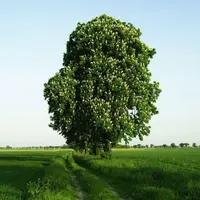
To recognize horse chestnut, look first for opposite leaves divided into 5 to 7 leaflets that spread like a hand from one point. Mature trees form a broad, rounded crown, often 50 to 75 feet tall (15 to 23 m).

Another strong clue is the upright flower clusters, held like candles above the branches.

Aesculus hippocastanum Identification

Confirm What Plant You Have

Upload a plant photo and check the identification in seconds.

Clear images work best. Avoid photos taken too close or too far away

Check horse chestnut for a few bold structural traits.

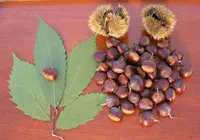
  • Leaves are opposite and palmately compound, with 5-7 broad leaflets radiating from one point.
  • Each leaf is often 8-14 inches (20-35 cm) across, with coarsely toothed leaflet edges.
  • Flowers stand upright in dense cone-like clusters, with white petals and small yellow to pink markings.
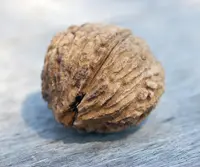
  • Fruits are round green capsules covered in short spines, usually holding 1-2 large glossy brown seeds.

Together, the big hand-shaped leaves and spiny capsules make Aesculus hippocastanum straightforward to recognize.

Horse chestnut shows clear visual shifts from early growth through flowering and fruiting.

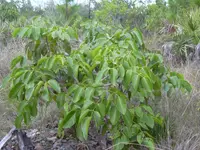
  • Young plant: Young plants form an upright sapling with a smooth gray stem and widely spaced branches; palmate leaves are large but the crown remains narrow.
  • Mature plant: Mature trees develop a broad, rounded crown and a stout trunk with more broken bark; leaves typically carry 5-7 leaflets and look heavier.
  • Flowering stage: Flowering stage is marked by upright, cone-like clusters held above the leaves, packed with white flowers that show yellow to pink blotches.
  • Fruiting stage: Fruiting stage shows rounded green capsules covered in short spines; they hang clearly after flowering and later split to reveal glossy brown seeds.

Several named forms of horse chestnut are identifiable by flower color, crown shape, or leaf pattern.

  • Aesculus hippocastanum 'Baumannii': Flowers are double and fuller than the typical single blooms, and the tree usually sets little or no fruit.
  • Aesculus hippocastanum 'Pyramidalis': Has a narrow, upright crown rather than the broad, rounded canopy of the typical form.
  • Aesculus hippocastanum 'Laciniata': Leaflets are deeply cut into narrow lobes, giving the leaves a finely divided outline.
  • Aesculus hippocastanum 'Variegata': Leaves show stable cream to white variegation, usually as irregular margins or patches.

In spring, horse chestnut leafs out with large palmate leaves, and upright clusters of white flowers become obvious in late spring. By early summer, those blooms give way to rounded green husks. In fall, the leaves often turn yellow to brown before dropping. After leaf fall, the thick twigs and very large, sticky winter buds stand out clearly and are a strong identification clue.

A few trees are regularly mistaken for horse chestnut.

Ohio buckeye(Aesculus glabra)

Both have palmately compound leaves and upright flower clusters. Ohio buckeye usually has 5 leaflets, often narrower, while Aesculus hippocastanum commonly has 7. Its fruit husk is less densely spiny.

red horse-chestnut(Aesculus × carnea)

This hybrid shares the same overall shape and leaf form. The quickest check is the bloom: red horse-chestnut has pink to red flowers, not white with yellow to pink blotches.

yellow buckeye(Aesculus flava)

It can look similar in leaf and habit. Yellow buckeye typically bears yellow flowers, and its leaflets are usually more elongated than those of Aesculus hippocastanum.

Aesculus hippocastanum is native to the Balkans, especially mountain areas of northern Greece, Albania, and North Macedonia. In the wild it occurs in small, scattered populations rather than across a broad European range. Its natural habitat is moist mixed woodland and stream valleys in montane landscapes. That context helps identification: a large horse chestnut found truly wild outside the Balkans is unlikely to be native, even though the species is widely planted elsewhere.

  • Toxic parts: Aesculus hippocastanum is toxic to humans and pets if eaten. The main concern is ingestion of the seeds, also called conkers, but other parts such as leaves and bark also contain harmful compounds.
  • Seed confusion: The shiny brown seeds can be mistaken for edible chestnuts. Horse chestnut seeds are enclosed in a green, spiny capsule, while true sweet chestnuts come from Castanea and usually have a pointed tip with a flatter side.

Confirm It from a Photo

Use Botan to identify or verify a plant from an image, helping avoid mix-ups before you label it or look up details.

FAQ

The key difference is the leaf. This plant has palmately compound leaves with 5 to 7 leaflets radiating from one point. True chestnuts, Castanea species, have single, narrow, toothed leaves, not leaflets.

More Plant Identification Guides

Find the Plant. Get the Details.

Use Botan to identify a plant from a photo, then see plant details, care information, and common problems.

Botan app identifying a plant from a photo
How to Group Plants in Landscaping: A Practical Layout Guide

8 min read · 31 Aug 2026

How to Group Plants in Landscaping: A Practical Layout Guide

Good plant grouping can mean the difference between a well-planned garden and one that looks sloppy. This guide explores layers, spacing, cluster shapes, and the plants that thrive when you group them.

Plant Care
How to Group Plants in Landscaping: A Practical Layout Guide
How to Mulch in the Fall and When to Wait Until Spring

5 min read · 12 Nov 2026

How to Mulch in the Fall and When to Wait Until Spring

In the fall, mulch gives the roots of trees and shrubs insulation and more stable conditions through winter. In the spring, it mainly suppresses weeds and keeps moisture in the soil during the growing season.

Beginner Guides
How to Mulch in the Fall and When to Wait Until Spring
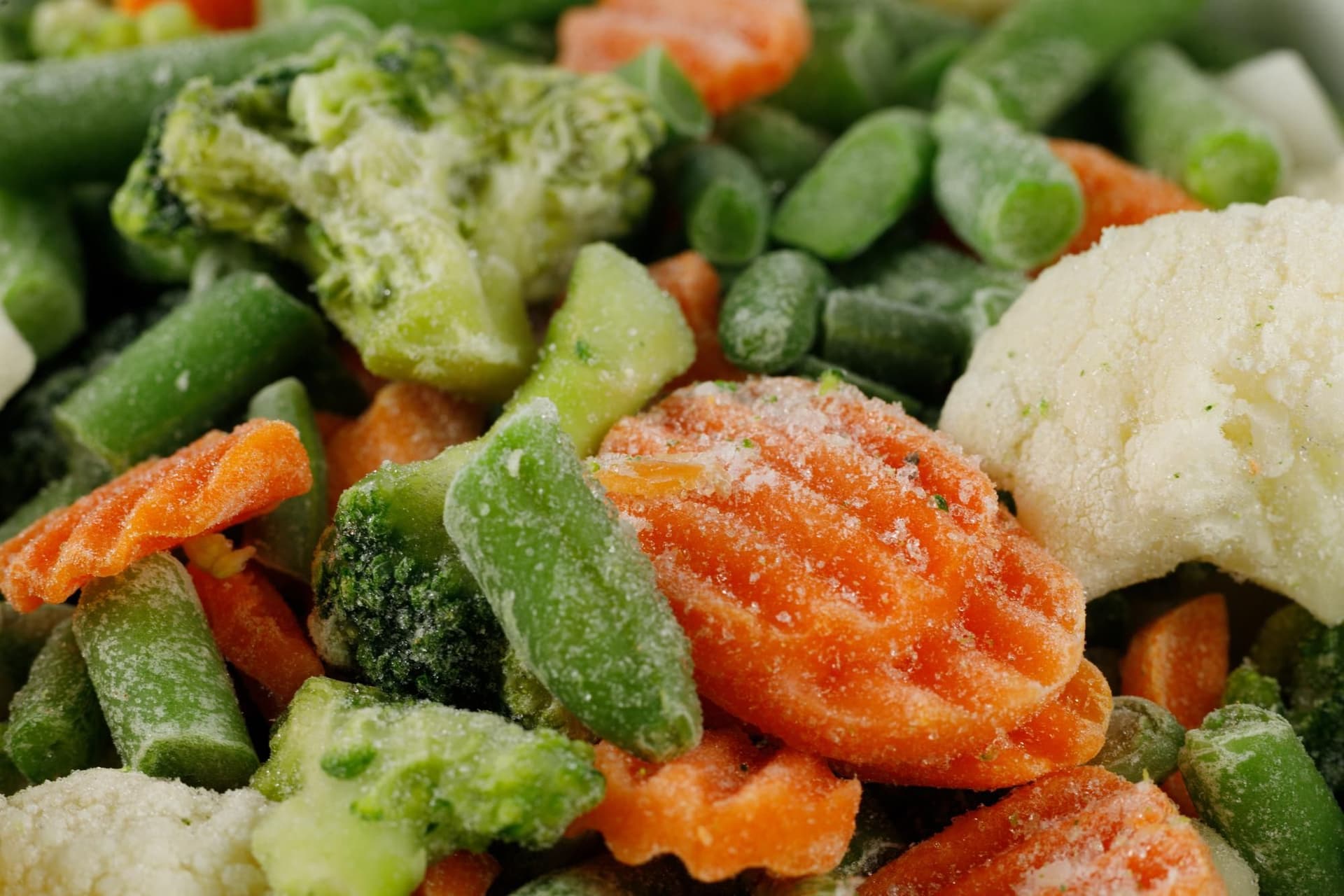
Frozen vs Fresh Vegetable Nutrients: Which Option Is Healthier?

6 min read · 8 Sept 2026

Frozen vs Fresh Vegetable Nutrients: Which Option Is Healthier?

Frozen and fresh vegetables are nutritionally comparable: frozen produce often retains vitamins just as well as fresh and may sometimes contain more. Here’s how blanching and storage affect nutrients—and when to choose each.

Plant Recommendations
Frozen vs Fresh Vegetable Nutrients: Which Option Is Healthier?