

fool's parsley Identification (Aethusa cynapium)

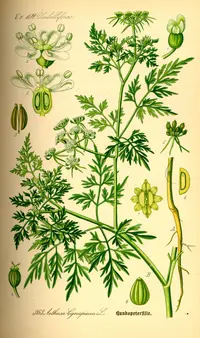
To recognize fool's parsley, look for a smooth, branching annual about 1-3 feet (30-90 cm) tall with finely divided, triangular leaves arranged alternately along the stems.

Its small white flowers are borne in flat-topped umbels, and each little umbellet has several long, narrow bracts hanging beneath it.

Aethusa cynapium Identification

Check Your Plant ID

Upload a plant photo and check the identification in seconds.

Clear images work best. Avoid photos taken too close or too far away

Check the whole plant for a delicate, parsley-like look with finely divided leaves.

  • Stems are smooth, hollow, and branched, often with a slightly glossy green surface.
  • Leaves are 2 to 3 times divided into many small, pointed segments, giving a lacy outline.
  • Leaf stalk bases form narrow sheaths where they wrap around the stem.
  • Flower heads are flat-topped umbels with small white flowers, usually 5 petals each.
  • A long, narrow bract hangs beneath each small umbel, often pointing downward.

The drooping bracts under the smaller flower clusters are especially useful to check.

Fool's parsley shows useful visual shifts from early leaf rosettes to flowering and fruiting stems.

  • Seedling: Seedlings start as a small basal rosette with smooth, bright green first leaves, then quickly produce more finely divided true leaves.
  • Young plant: Before flowering, the plant remains leafy and low, with triangular, parsley-like leaves on sheathing stalks and only limited stem branching.
  • Flowering stage: Upright, hollow stems branch more freely and reach about 1-3 feet (30-90 cm), ending in small white umbels with narrow drooping bracts beneath.
  • Fruiting stage: After flowering, the umbels hold clusters of small ribbed fruits, while petals are gone and the overall plant looks more open and angular.

In spring, fool's parsley appears as bright green, finely divided foliage. By early to mid-summer, small white umbrella-like flower clusters become visible above the leaves. After flowering, green ribbed fruits develop and later dry. The annual plant then withers completely, so by fall and winter it is absent except as seed.

Several parsley-family plants can be mistaken for fool's parsley.

wild chervil(Anthriscus sylvestris)

Both have finely divided, ferny leaves and small white umbrella-shaped flower clusters. Wild chervil usually grows taller, often 2-5 feet (0.6-1.5 m), and its leaf segments look softer and more feathery; Aethusa cynapium is usually shorter and more sharply cut.

poison hemlock(Conium maculatum)

Both are smooth, parsley-like plants with white umbels. Poison hemlock is typically much larger, often 4-8 feet (1.2-2.4 m), and the hollow stem usually shows obvious purple blotches; Aethusa cynapium is smaller and lacks those bold stem marks.

Aethusa cynapium is native to Europe, western Asia, and North Africa. It is most often found in disturbed ground, field margins, gardens, waste places, hedgerows, and open woodland edges rather than intact wild habitats. That setting helps with identification. A parsley-like umbel appearing as a weed in cultivated or recently disturbed sites fits Aethusa cynapium better than similar plants of wetter marshes, coastal flats, or high mountain habitats.

  • Poisonous if eaten: Aethusa cynapium is toxic to humans and pets if ingested. The risk applies to the whole plant, including leaves, stems, and roots.
  • High-risk confusion: It can be mistaken for edible parsley or chervil, creating a real ingestion risk. A useful check is the involucel: Aethusa cynapium has long, narrow bracts hanging beneath each small umbellet.

Not Sure About the ID?

Use Botan to identify or confirm a plant from a photo, helping narrow down similar species before you decide what to do next.

FAQ

Flowers are borne in compound umbels, a flat to slightly rounded cluster typical of the carrot family. The small white flowers sit on several main rays, often with a few long, narrow bracts hanging beneath each umbellet.

More Plant Identification Guides

Find Out What Plant It Is

Identify a plant from a photo with Botan, then get species-specific care information, safety notes, and common problems.

Botan app identifying a plant from a photo
Frozen vs Fresh Vegetable Nutrients: Which Option Is Healthier?

6 min read · 8 Sept 2026

Frozen vs Fresh Vegetable Nutrients: Which Option Is Healthier?

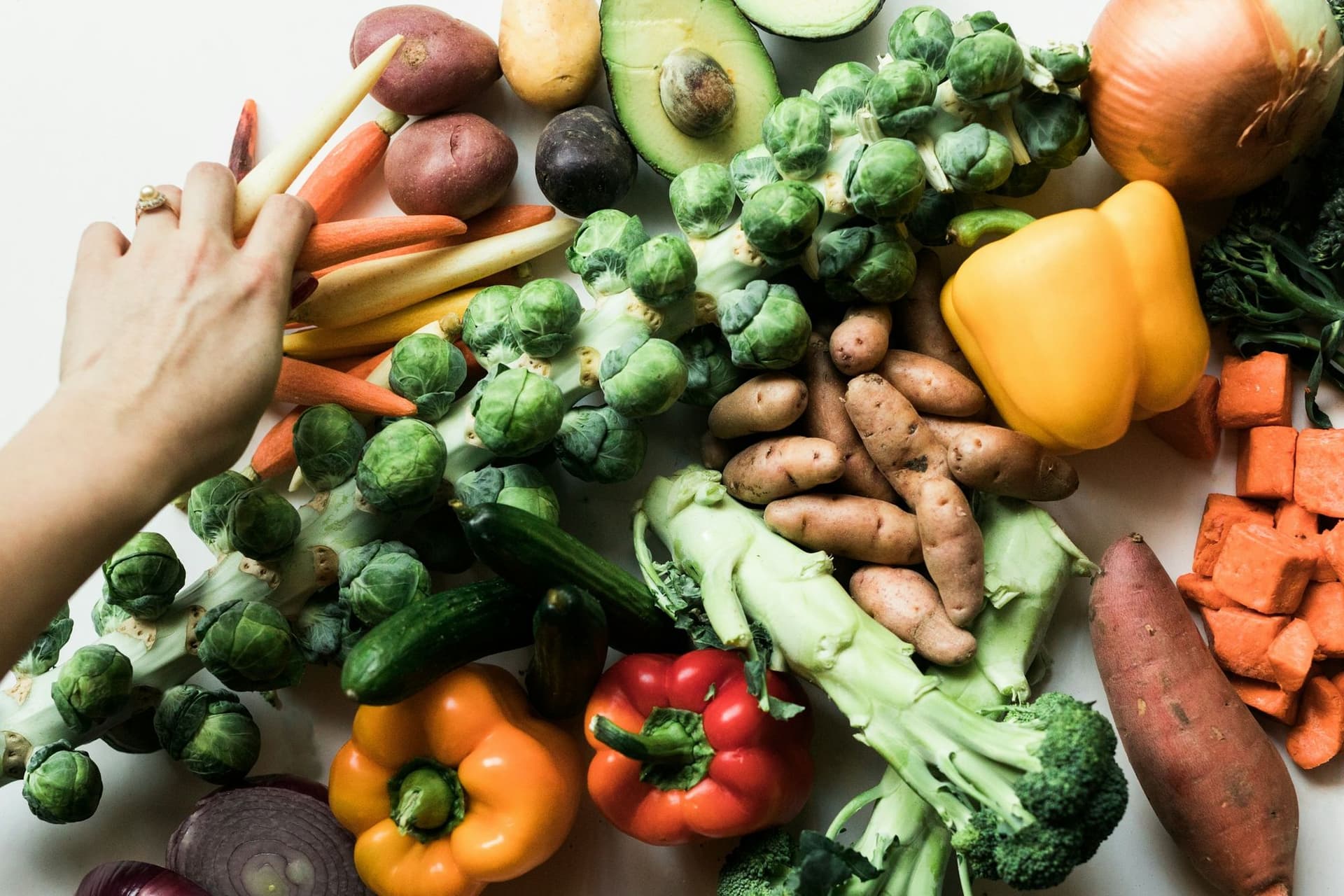
Frozen and fresh vegetables are nutritionally comparable: frozen produce often retains vitamins just as well as fresh and may sometimes contain more. Here’s how blanching and storage affect nutrients—and when to choose each.

Plant Recommendations
Frozen vs Fresh Vegetable Nutrients: Which Option Is Healthier?
12 Best Cold-Hardy Vegetables for Cold Weather

7 min read · 13 Oct 2026

12 Best Cold-Hardy Vegetables for Cold Weather

Cold-hardy vegetables can keep a garden productive through chilly fall, winter, and early spring weather. This guide covers 12 reliable crops, their frost tolerance, and practical growing tips for better cold-season harvests.

Plant Recommendations
12 Best Cold-Hardy Vegetables for Cold Weather
Planting Grass Seed in Summer – What Works and What Fails

7 min read · 6 Aug 2026

Planting Grass Seed in Summer – What Works and What Fails

Summer seeding succeeds when the grass type suits the season, and the soil stays moist. Find out how to prepare the seedbed and choose a safe window for planting.

Plant Care
Planting Grass Seed in Summer – What Works and What Fails