Chinese Evergreen Care (Aglaonema 'Creta')

About Chinese Evergreen

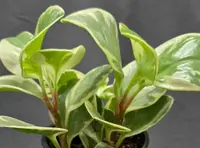
Chinese evergreen Aglaonema 'Creta' is a compact, tropical foliage plant grown mainly for its colorful leaves. It is typically used as an indoor houseplant. The leaves are oval, with green edges, soft pink to red midribs, and lighter speckling, giving the plant a patterned, decorative look. Plants usually form dense clumps rather than tall, woody stems. In nature, Aglaonema species grow on the shaded forest floor in Southeast Asia, where light is filtered and conditions stay warm and humid. This background explains why it tolerates low indoor light and steady room conditions. Many people choose it when they want to learn how to care for Chinese Evergreen without dealing with a demanding plant.

Main Plant Requirements

Care Difficulty

Easy Care

Light Preference

Bright Indirect Light

Water Requirements

Moderate Water

Temperature Preference

Tropical / Frost Sensitive

Hardiness Zone

10–11

Soil Texture

Loamy, Peaty, Organic-rich

Soil pH

Acidic (5.5–6.5), Slightly acidic (6.5–7.0)

Soil Drainage

Moist but well-drained

Fertilization

Light (every 4–6 weeks)

Get Personalized Care Plan

Scan your plant to receive care tips personalized for your specific plant

Available on iOS and Android

How to Care for the Chinese Evergreen

This plant prefers soft, filtered light that protects its variegated leaves from scorch.

  • Provide bright, indirect light for 8–12 hours per day, such as near an east- or north-facing window with sheer curtains.
  • Tolerates partial shade and lower light, but in very dim spots Aglaonema 'Creta' may grow slowly and produce smaller, less colorful leaves.
  • Avoid strong midday or afternoon sun, especially in summer, as direct rays can cause brown patches, leaf curl, and washed-out color.

Watering should keep the soil slightly moist but never saturated for healthy root function.

  • Before watering, let the top 2–4 cm of soil dry; check with a finger rather than following a fixed schedule.
  • Use a free-draining potting mix and a container with drainage holes to reduce the risk of root rot from standing water.
  • In warmer, brighter months expect faster drying and slight leaf droop when thirsty; in cooler, darker periods, extend the interval and watch for yellowing, mushy stems as overwatering signs.

Stable, warm conditions support steady growth and help prevent stress-related leaf damage.

  • Aim for 65–80°F (18–27°C) as the main growing range, where metabolic processes and leaf production stay most efficient.
  • Keep temperatures above 60°F (16°C) whenever possible; short dips to 55°F (13°C) may be tolerated but can slow growth and dull foliage color.
  • Protect from cold drafts, heat vents, and frost, and avoid placing the plant in spots that exceed 86°F (30°C) for long periods, which can cause limp leaves and faster moisture loss.

This plant prefers moderate to slightly elevated humidity for steady growth.

  • Target 40–60% humidity; it tolerates brief drier air but grows more evenly at the higher end of this range.
  • Brown, crispy leaf edges and stalled new growth suggest air is too dry for Chinese Evergreen.
  • Increase humidity with a nearby room humidifier, grouped plants, or a pebble tray under the pot, not by misting heavily.

This plant needs a loose, airy mix that drains freely yet holds some moisture.

  • Use a peat- or coco coir-based mix with added perlite and fine bark to create a light, organic-rich structure.
  • Ensure rapid drainage so water runs through in seconds, leaving the mix evenly moist but never soggy.
  • Aim for slightly acidic to neutral pH around 6.0–7.0, which supports nutrient availability and root health in Aglaonema 'Creta'.
  • Avoid heavy garden soil, pure compost, or mixes that stay wet for days, as these promote root rot and oxygen-poor conditions.

This species is well suited to container growing in homes and offices.

  • Select a pot only 2–5 cm wider than the root ball to prevent excess unused mix from staying wet near the roots.
  • Choose a stable, heavier container if the foliage becomes wide and top-heavy so the plant does not tip when bumped.
  • Use a pot material that matches your watering style, such as porous terracotta for faster drying or glazed ceramic for slower moisture loss.

This Chinese Evergreen benefits from light, consistent feeding during the active growing season.

  • Use a balanced water-soluble fertilizer, such as 10-10-10 or 20-20-20, diluted to 1/4–1/2 strength.
  • Feed every 4–6 weeks in spring and summer; skip or feed once at very low strength in fall and winter.
  • Alternatively, apply a slow-release balanced fertilizer at the start of spring, following label rates.
  • Avoid fertilizing very dry soil; water first, then apply fertilizer to reduce root burn risk.

Pruning Aglaonema 'Creta' is light and mainly focused on tidying and maintaining a compact shape.

  • Best time for pruning is late winter to early spring, before strong new growth starts.
  • Remove yellowing, dead, or damaged leaves at the base with clean, sharp scissors or pruners.
  • Thin out crowded stems to improve air flow and encourage fuller, bushier growth from the base.
  • Cut leggy stems just above a node to encourage branching and a more balanced outline.

This plant grows well in containers and only needs repotting when it becomes root bound.

  • Check for roots circling the pot, pushing through drainage holes, or slowed growth as signs to repot.
  • Plan repotting in spring every 2–3 years, when active growth helps recovery from disturbance.
  • Move to a pot 2–5 cm wider with fresh, well-draining mix; gently loosen circling roots without tearing.
  • Water thoroughly after repotting, then keep in bright, indirect light and slightly drier soil for 1–2 weeks.

Aglaonema 'Creta' is most reliably propagated by division or stem cuttings under warm, stable conditions.

  • Divide crowded clumps in spring, separating sections with several stems and healthy roots.
  • For stem cuttings, take 8–12 cm pieces with at least 2–3 nodes and remove lower leaves.
  • Root cuttings in moist, airy mix at 70–80°F with high humidity and bright, indirect light.
  • Keep the medium slightly moist, not wet, and avoid disturbing cuttings until new growth appears.

This tropical houseplant is not frost tolerant and needs stable indoor conditions in winter.

  • Keep temperatures around 65–75°F and avoid dips below 60°F to prevent cold damage.
  • Position the pot away from drafty windows, exterior doors, and heating vents.
  • Water less often in winter, allowing the top 3–5 cm of soil to dry before watering again.
  • Use a thin layer of decorative top dressing only for aesthetics; full mulching is not necessary indoors.

Care Tips

Rotate For Symmetry

Turn the pot 90° every 2–3 weeks to keep the leaf rosette even and prevent the plant from leaning toward the light source.

Leaf Cleaning Routine

Wipe both sides of the leaves with a barely damp, soft cloth every 3–4 weeks to remove dust, improve light capture, and allow early detection of pests or leaf spots.

Staggered Repotting

Shift the plant only 1 pot size up and keep it slightly root-bound, checking roots annually so the plant focuses on dense foliage rather than oversized, floppy growth.

Division For Renewal

Every 2–3 years, divide crowded clumps during repotting by gently teasing apart rooted sections with at least 3–4 stems, which both rejuvenates the mother plant and produces strong new starts.

Quarantine New Arrivals

Keep any new houseplants in a separate room for 2–3 weeks and inspect weekly for pests before placing them near your existing collection, which is especially useful when caring for Chinese Evergreen in mixed plant displays.

Common Pests and Diseases

Mealybugs

This pest appears as white, cottony clusters in leaf axils, along midribs, and on roots when the plant is stressed in low light or overwatered conditions.

Solution

Isolate the plant, then wipe or dab visible insects with cotton swabs dipped in 70% isopropyl alcohol and rinse foliage with lukewarm water; repeat weekly until gone and improve light, watering, and air movement to reduce recurrence as part of broader Aglaonema 'Creta' care.

Spider mites

These insects thrive in warm, dry indoor air and cause stippled, faded leaves with fine webbing on the undersides.

Solution

Shower the plant thoroughly, focusing on leaf undersides, then maintain higher humidity and use repeated applications of insecticidal soap or neem oil every 5–7 days until new growth appears clean.

Scale insects

This pest shows as small, brown or tan bumps on stems and leaf midribs, often exuding sticky honeydew that can lead to sooty mold on foliage.

Solution

Scrape or rub off adults with a soft cloth or fingernail, then treat remaining nymphs with insecticidal soap or horticultural oil, repeating every 7–10 days while monitoring for new bumps and cleaning sticky residue from leaves.

Bacterial leaf spot

This disease causes water-soaked, translucent or dark lesions on leaves that may enlarge, turn tan or brown, and develop yellow halos in warm, humid conditions.

Solution

Remove and discard affected leaves, keep water off foliage, improve air circulation, and avoid overcrowding; if spread continues, apply a copper-based bactericide according to label directions and allow the top of the soil to dry slightly between waterings.

Fusarium stem and root rot

This disease leads to yellowing, wilting, and collapse of stems at the soil line, often with brown, mushy roots in plants kept in cold, soggy media or contaminated potting mixes.

Solution

Discard severely affected plants, or for mild cases, cut away all soft tissue and repot in fresh, sterile, well-draining mix; clean tools and pots with a disinfectant solution and adjust watering so the substrate partially dries between waterings to reduce fungal pressure.

Interesting Facts

Color pattern stability

The pink and green variegation in this cultivar is relatively stable and tends to keep its pattern as the plant matures, rather than reverting to fully green foliage as some other variegated aglaonemas can do under similar conditions.

Selected from complex hybrids

This plant originated from deliberate breeding and selection within hybrid Aglaonema lines, combining parent plants with red and pink pigmentation to achieve its distinctive cream-pink midrib and mottled leaf coloration.

Pigment mix in leaves

Its foliage color comes from a combination of chlorophyll (green pigment) and increased amounts of carotenoids and anthocyanins (yellow and red pigments), which together create the cream, blush-pink, and olive-green marbled effect on each leaf.

FAQs about Chinese Evergreen

Brown edges usually result from low humidity, excess fertilizer, or a buildup of salts from hard tap water. Flush the pot thoroughly, reduce feeding, and, if possible, switch to filtered water and increase ambient humidity slightly.

Grow Healthy Plants with Botan Care

Keep your plants happy and healthy with plant identification, disease detection, and easy care guidance.

Botan plant care app — identify plants on mobile

Explore More Plants