spearleaf agoseris Care (Agoseris retrorsa)

spearleaf agoseris

About spearleaf agoseris

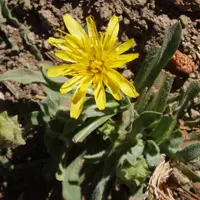
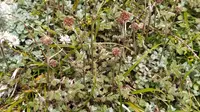
Spearleaf agoseris (Agoseris retrorsa) is a small herbaceous wildflower in the daisy family, native to dry open habitats of western North America. It often grows in grasslands, open woodlands, and rocky slopes.

The plant forms a low rosette of narrow, sometimes slightly toothed leaves, and sends up simple flower stalks topped with yellow, dandelion-like flower heads. Its seed heads also resemble dandelion puffballs.

This species is adapted to relatively poor, well-drained soils and seasonal dryness, which can make it fairly resilient once established. Understanding how to care for spearleaf agoseris starts with providing sun, good drainage, and avoiding consistently wet conditions.

Main Plant Requirements

Care Difficulty

Moderate Care

Light Preference

Full Sun

Water Requirements

Low Water

Temperature Preference

Cool Climate

Hardiness Zone

4–8

Soil Texture

Sandy, Loamy, Rocky

Soil pH

Slightly acidic (6.5–7.0), Neutral (7.0)

Soil Drainage

Well-drained

Fertilization

Minimal (feed rarely)

Get Personalized Care Plan

Scan your plant to receive care tips personalized for your specific plant

Available on iOS and Android

How to Care for the spearleaf agoseris

This sun-loving western North American native thrives in open, bright conditions with modest shade tolerance.

  • Provide 6–8 hours of direct sun daily, ideally with full morning sun and lighter afternoon exposure in hotter inland areas.
  • Allow light partial shade (2–4 hours filtered light) during the hottest summer afternoons to reduce leaf scorch and moisture stress in spearleaf agoseris.
  • In spring and fall, full sun is ideal; in summer, monitor for bleaching or crispy leaf tips as signs of excess sun, and in dense shade expect weak, floppy growth.

This species prefers dry to moderately dry conditions and is sensitive to sustained soil moisture.

  • Let the top 5–7 cm of soil dry completely before watering, using a finger test rather than a fixed schedule, especially in variable climates.
  • Ensure sharply drained, gritty or sandy soil so water passes through quickly; Agoseris retrorsa is prone to root rot in compacted or waterlogged ground.
  • In winter or during dormancy, reduce watering to occasional deep soaks after extended dry periods; in summer heat, watch for limp, dull leaves as early drought indicators.

This hardy wildflower tolerates a wide outdoor temperature range but grows best in mild conditions.

  • Active growth is strongest around 55–75°F (13–24°C), with cooler spring and fall weather supporting compact rosettes and better flowering.
  • Plants usually survive down to about 10–15°F (-12 to -9°C) with good drainage, but repeated hard freezes on wet soil increase crown-damage risk.
  • In hot, dry summers above 90°F (32°C), foliage may partially die back or go semi-dormant; this is normal and growth often resumes when temperatures cool.

This species tolerates typical outdoor humidity in dry regions and rarely needs special humidity management.

  • Performs well in 25–50% humidity, similar to arid and semi-arid habitats.
  • Tolerates dry air without supplemental misting when soil moisture is appropriate.
  • Watch for crispy leaf edges and stalled growth as signs of combined drought and heat stress.
  • Increase local humidity slightly by grouping plants or placing containers near other vegetation rather than using trays or humidifiers.

Agoseris retrorsa prefers loose, fast-draining mineral soils that do not stay wet.

  • Use a sandy or gritty loam with 30–50% coarse material such as horticultural sand, fine gravel, or pumice to prevent waterlogging.
  • Aim for slightly acidic to neutral pH around 6.0–7.2, avoiding highly acidic mixes designed for ericaceous plants.
  • Blend a small amount of compost or leaf mold into native sandy soil to add nutrients without making the mix dense or water-retentive.
  • Avoid heavy clay, peat-heavy potting mixes, or any soil that compacts, as poor aeration around the roots increases rot risk.

This species can be grown in containers if the pot mimics its naturally shallow, fast-draining root environment.

  • Choose a wide, relatively shallow pot so the taproot has room without trapping excess moisture in deep, cool soil layers.
  • Use unglazed terracotta if extra evaporation is needed in wet climates, as it helps keep the root zone drier.
  • Raise the container on feet or bricks so drainage holes stay clear and runoff moves away quickly after rain or irrigation.

This dryland native needs minimal feeding, so focus on soil quality rather than frequent fertilizer for healthy spearleaf agoseris growth.

  • If growth is weak in poor soil, apply a light top-dressing of compost in early spring before active growth starts.
  • Use a low-rate balanced NPK granular or slow-release fertilizer at 1/4–1/2 label strength during early spring only.
  • Avoid summer and winter feeding; extra nutrients during dormancy can stress roots and encourage weak, leggy growth.
  • Always water lightly after applying fertilizer so nutrients disperse through the root zone without causing burn.

Pruning needs for Agoseris retrorsa are low and focus mainly on tidying and maintaining healthy foliage rosettes.

  • Cut back spent flower stalks in late spring or early summer using clean, sharp scissors or hand pruners.
  • Remove dead, yellowing, or insect-damaged leaves at the base to reduce disease pressure and improve air flow.
  • Thin any crowded rosettes by taking out the weakest plants, which preserves the natural open clump form.
  • Avoid heavy cutting into healthy leaf rosettes, as this can slow regrowth and reduce flowering the next season.

This species is better suited to in-ground situations, so care centers on careful transplanting rather than frequent repotting.

  • Transplant young plants in early spring or early fall, when temperatures are mild and soil moisture is even.
  • Choose a sunny, well-drained site and loosen soil 10–15 cm deep to accommodate the taproot with minimal bending.
  • Move plants only when necessary; frequent disturbance of the taproot can slow growth or cause decline.
  • Water thoroughly after transplanting, then keep soil just slightly moist for 1–2 weeks to limit transplant shock.

New Agoseris retrorsa plants are most reliably raised from seed rather than vegetative division or cuttings.

  • Collect ripe seeds from dry flower heads and sow them fresh in late summer or early fall.
  • Use a gritty, well-drained seed mix and press seeds lightly into the surface, leaving them barely covered.
  • Provide cool conditions and light moisture; natural winter chilling outdoors often improves germination in spring.
  • Thin seedlings so each has space for its developing taproot, then transplant carefully while still small.

This hardy native usually needs little special winter care in most temperate climates.

  • Mature in-ground plants tolerate typical frosts once established, especially in well-drained soils.
  • In colder or exposed sites, apply a light, dry mulch layer 2–5 cm deep to buffer root temperature swings.
  • For container-grown plants in very cold regions, move pots to a sheltered, unheated but frost-free area.

Care Tips

Mimic open habitat

Site plants in an open, unshaded position with good air flow and avoid crowding with taller perennials or shrubs, which helps maintain the compact rosette form and reduces foliar disease in caring for spearleaf agoseris.

Encourage deep rooting

In the first growing season, water more deeply but less often and avoid shallow daily sprinkling so the plant develops a strong taproot that can better tolerate dry summer conditions.

Minimal disturbance

Avoid transplanting, dividing, or frequently cultivating around the plant, since its taproot is sensitive to disturbance and damage can lead to stunting or plant loss.

Manage competing weeds

Use a thin, gritty mulch layer or careful hand weeding around the rosette to limit competition from grasses and aggressive weeds without burying the crown.

Support seed set

If seed collection or natural reseeding is desired, delay deadheading until seed heads are fully dry and fluffy, then either bag and collect them or gently shake them over prepared bare soil patches nearby.

Common Pests and Diseases

Aster leafhopper

This pest feeds on plant sap and is a known vector of aster yellows phytoplasma in native Asteraceae such as Agoseris retrorsa. Symptoms include pale, twisted foliage, stunted growth, and misshapen flower heads.

Solution

Reduce nearby weedy host plants that harbor leafhoppers, and encourage natural predators like spiders and predatory bugs by maintaining diverse, pesticide-free surrounding vegetation. For small plantings, use a strong stream of water to dislodge insects from foliage and, if pressure is high, protect plants with fine insect netting during peak leafhopper activity in late spring and early summer.

Aster yellows

This disease is caused by a phytoplasma (bacteria-like pathogen) spread by leafhoppers and affects many wild composites including spearleaf agoseris. Symptoms include chlorotic (yellowed) foliage, rosettes that fail to elongate properly, and distorted or greenish flower heads that produce little or no seed.

Solution

Remove and discard symptomatic plants promptly to reduce the local source of infection, and control aster leafhopper activity by reducing weedy host plants nearby and using row cover where practical. Avoid overhead irrigation that splashes between dense plantings and space plants to maintain good airflow and lower overall stress, which supports better recovery in unaffected individuals nearby.

Powdery mildew

This disease causes white, powdery fungal growth on leaves, especially in late spring or early summer when days are warm and nights are cool. Symptoms include dull, gray-green foliage that can yellow and die back prematurely, reducing vigor and flowering.

Solution

Improve air circulation around plants by avoiding overcrowding and trimming dense surrounding vegetation, and water at soil level in the morning so leaves dry quickly. If disease becomes persistent, remove and dispose of heavily infected leaves and consider applying a mild sulfur or potassium bicarbonate fungicide labeled for ornamental Asteraceae, following label directions carefully to avoid phytotoxicity.

Aphids

These insects cluster on young stems and undersides of leaves, feeding on sap and excreting sticky honeydew that can attract sooty mold. Symptoms include curled or puckered leaves, reduced vigor, and distorted young flower stalks.

Solution

Spray colonies off with a firm jet of water in the morning and repeat as needed, focusing on the undersides of leaves and tender growth. Where populations remain high, use insecticidal soap or a light horticultural oil applied in cool parts of the day, taking care to cover all infested surfaces without saturating flower heads to protect pollinators while growing spearleaf agoseris.

Interesting Facts

Early-succession specialist

Agoseris retrorsa often colonizes recently disturbed, open ground in montane and foothill habitats of western North America, showing a strong association with early-successional plant communities after events like fire or soil disturbance.

Distinctively retrorse leaves

The species name retrorsa refers to its backward-pointing (retrorse) leaf hairs and bristles, a trait botanists use to distinguish it from related Agoseris species with smoother or differently hairy foliage.

Dandelion-like seed dispersal

Although not a true dandelion, this member of the Asteraceae has a similar spherical head of wind-dispersed achenes, each with a pappus that acts like a tiny parachute to carry seeds away from the parent plant.

Botan icon

Did you know?

Some taxonomic treatments consider Agoseris retrorsa part of a complex of closely related western North American Agoseris species, and its precise boundaries and variation have been important in studies of speciation and morphological divergence within the genus.

FAQs about spearleaf agoseris

This species is a short-lived perennial. Individual rosettes usually persist several years, then die after flowering and seed set. It often maintains itself in a site by reseeding, so populations can appear long-lived.

Grow Healthy Plants with Botan Care

Keep your plants happy and healthy with plant identification, disease detection, and easy care guidance.

Botan plant care app — identify plants on mobile

Explore More Plants