Silver Lady's-mantle Care (Alchemilla conjuncta)

Silver Lady's-mantle

About Silver Lady's-mantle

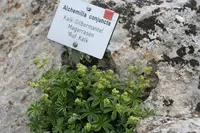
Silver Lady's-mantle (Alchemilla conjuncta) is a compact, clump-forming perennial grown mainly for its silvery, scalloped foliage. It stays low to the ground and slowly spreads, forming neat mounds that suit borders and edging.

The leaves have a fine silver edge and a soft texture, with airy sprays of yellow-green flowers appearing in late spring to early summer. It comes from mountainous regions of southeastern Europe, so it naturally tolerates cool conditions and moderate drought once established.

Gardeners generally find it easy to grow in well-drained soil with moderate moisture and light shade to full sun in cooler climates. Understanding how to care for Silver Lady's-mantle is straightforward once its preference for drainage and moderate water is clear.

Main Plant Requirements

Care Difficulty

Easy Care

Light Preference

Partial Shade

Water Requirements

Moderate Water

Temperature Preference

Cold Hardy

Hardiness Zone

4–8

Soil Texture

Loamy, Silty, Organic-rich

Soil pH

Acidic (5.5–6.5), Slightly acidic (6.5–7.0)

Soil Drainage

Moist but well-drained

Fertilization

Minimal (feed rarely)

Get Personalized Care Plan

Scan your plant to receive care tips personalized for your specific plant

Available on iOS and Android

How to Care for the Silver Lady's-mantle

This clumping perennial prefers cool, bright conditions with gentle sun exposure.

  • Provide 3–5 hours of morning sun with light or dappled shade in the afternoon to prevent leaf scorch on Silver Lady's-mantle.
  • Site in partial shade, especially in warmer regions; east- or north-facing positions suit best, while full, exposed midday sun can bleach or crisp foliage.
  • In hot summers, increase shade or filtered light; in cooler climates, it tolerates more direct sun, but monitor for pale, floppy growth indicating too little light.

This plant prefers evenly moist, cool soil that never stays waterlogged.

  • Water when the top 3–5 cm of soil feels dry, aiming for consistently damp but not soggy conditions around the root zone.
  • Use well-drained, humus-rich soil so Alchemilla conjuncta receives good moisture without standing water, which leads to yellowing leaves and root rot.
  • Increase watering during dry, warm spells and reduce in cool, wet seasons; wilting, dull leaves signal thirst, while soft, blackened stems suggest overwatering.

This hardy perennial thrives in cool to mild outdoor climates.

  • Optimal growth occurs around 55–75°F (13–24°C), where foliage remains lush and flowering is most reliable.
  • Plants tolerate cold down to about -20°F (-29°C) in the ground with mulch, but new spring growth is sensitive to late hard frosts.
  • In hot summers above 85°F (29°C), growth may slow; provide extra shade and soil moisture, as prolonged extreme heat can stress and scorch leaves.

This species handles a wide humidity range and usually needs no special humidity management outdoors or in typical homes.

Alchemilla conjuncta prefers loose, moist but free-draining soil that does not stay waterlogged.

  • Use a loamy mix with moderate organic matter, such as garden loam blended with compost and a little coarse sand.
  • Aim for a slightly acidic to neutral pH around 6.0–7.0, avoiding strongly alkaline or saline sites.
  • Improve drainage and aeration in heavy clay by working in coarse sand or fine gravel plus well-rotted compost.
  • Avoid compacted, soggy spots where water stands after rain, which promote root rot and weak growth.

This species is suitable for cool, moist container plantings on patios or balconies.

  • Select a wide, shallow pot to accommodate its clumping, spreading habit and allow lateral root development.
  • Use a heavier material such as ceramic or clay to stabilize the container against wind as the foliage spreads outward.
  • Top-dress the soil surface with fine grit or small gravel to reduce soil splash on leaves and moderate surface evaporation.

This plant grows well in average garden soil and only needs light feeding to stay vigorous.

  • Apply a thin layer of garden compost or well-rotted manure around clumps in early spring for gentle nutrition.
  • Use a balanced, slow-release granular fertilizer (around 10-10-10) at low label rates once per growing season.
  • If using liquid feed, dilute to half strength and apply no more than every 6–8 weeks in active growth.
  • Stop feeding Silver Lady's-mantle in late summer to early fall so new growth can harden before winter.

Alchemilla conjuncta responds well to light, timely pruning that keeps the clump compact and fresh.

  • Shear back the entire plant after the first main flush of flowers fades to encourage a tidy mound and new leaves.
  • Remove spent flower stalks and any yellowing or tattered foliage throughout summer with clean hand pruners.
  • Cut out dead, damaged, or congested crowns at ground level in late winter or very early spring.
  • Disinfect blades if plants show any signs of disease to reduce the risk of spreading problems between clumps.

This species is more often transplanted in the garden than kept as a long-term container plant.

  • Plan division or transplanting in early spring or early fall when temperatures are mild and soil is workable.
  • Move plants when clumps become woody in the center, growth slows, or roots fill and circle a container.
  • Lift the clump carefully, tease apart or cut into sections, and keep roots shaded and moist during the process.
  • Replant divisions at the same depth in well-drained soil, water thoroughly, and provide light shade for a week to limit stress.

This perennial is most commonly propagated by division, with seed used when increasing numbers more widely.

  • Divide mature clumps in early spring or early fall, ensuring each section has healthy roots and several shoots.
  • Replant divisions into moist, well-drained soil and keep evenly watered until new growth establishes.
  • Sow fresh seed in trays outdoors in fall; natural winter chilling improves germination in spring.
  • Provide bright, indirect light and avoid waterlogging young plants to reduce damping-off and root problems.

This hardy perennial usually needs minimal winter care in typical temperate climates.

  • The crown tolerates normal garden frosts once established, especially in well-drained soil.
  • After hard frost, cut back dead foliage to reduce disease carryover and tidy the planting area.
  • Apply a 3–5 cm mulch of compost or leaf mold around, but not on top of, crowns in colder regions.
  • For containers, move pots to a sheltered, unheated spot so roots avoid repeated freeze–thaw cycles.

Care Tips

Edge containment

Install a shallow edging strip or set bricks 3–5 cm deep around beds to keep slowly spreading clumps from creeping into paths or lawns while still allowing natural mound formation.

Flowering management

Shear off the bulk of the flower stems just after peak bloom to prevent self-seeding and encourage a fresh flush of foliage that keeps the plant looking tidy through summer.

Splash zone planting

Position plants where they can receive roof or path runoff, such as along drip lines, because they tolerate extra moisture there and their foliage helps reduce soil splash onto nearby plants.

Mulch for crown health

Apply a thin, open-textured mulch layer around but not over the crowns to keep soil cool, limit weed pressure, and reduce mud splashing on the silver-felted leaves during heavy rain.

Division timing strategy

Divide and replant only the most vigorous outer portions of older clumps in early spring, discarding woody centers, to maintain dense, attractive foliage when growing Silver Lady's-mantle.

Common Pests and Diseases

Powdery mildew

This disease appears in humid conditions as a white, powdery film on the leaves and can cause distortion and reduced vigor in clumps of silver lady’s-mantle.

Solution

Remove the most affected leaves, thin crowded clumps to improve airflow, and avoid wetting foliage late in the day; if needed, apply a sulfur or potassium bicarbonate fungicide labeled for ornamental perennials and repeat as directed during prolonged humid periods.

Leaf spot

This disease causes small brown or purplish spots that can merge into larger blotches, leading to premature yellowing and aesthetic damage to the foliage.

Solution

Promptly remove and dispose of affected leaves, water at soil level rather than overhead, and keep plant debris cleaned from around the crown; in persistent cases, use a copper- or chlorothalonil-based fungicide according to label directions to protect new growth.

Aphids

These insects cluster on young stems and leaf undersides, sucking sap and sometimes causing curling, distortion, and sticky honeydew on the foliage.

Solution

Spray plants with a firm jet of water to dislodge colonies, then treat remaining insects with insecticidal soap or a light horticultural oil, ensuring full coverage of leaf undersides and repeating every 5–7 days until populations drop.

Slugs and snails

These pests chew irregular holes in leaves, often along the edges, and may leave silvery slime trails on or near the plant, especially in damp, shaded sites.

Solution

Hand-pick at dusk or early morning, reduce hiding spots by removing dense debris around the plant, and use iron phosphate slug baits placed around, not on, the crowns; coarse mulch or copper barriers can also help limit damage in beds of Alchemilla conjuncta.

Interesting Facts

Distinct silver leaf edging

This species is recognized by its small lobed leaves with a narrow, bright silver margin along the edge, creating a sharp contrast with the darker green center compared with many other lady’s-mantles.

Dry-tolerant rock plant

Native to rocky, often limestone-rich slopes in southeastern Europe, it has evolved a compact, mounding habit and relatively deep, fibrous roots that help it tolerate short dry spells in well-drained sites.

Compact alpine origin

It is naturally associated with subalpine and alpine habitats, which explains its low, cushion-like growth and good cold tolerance compared with many lowland ornamental perennials.

FAQs about Silver Lady's-mantle

This species forms low, slowly expanding clumps through short rhizomes. It spreads politely rather than aggressively and is usually easy to control by lifting or edging any unwanted fans every few years.

Grow Healthy Plants with Botan Care

Keep your plants happy and healthy with plant identification, disease detection, and easy care guidance.

Botan plant care app — identify plants on mobile

Explore More Plants