Alchemilla sericata Care

Alchemilla sericata

About Alchemilla sericata

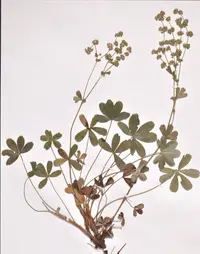
Alchemilla sericata is a compact, clump-forming perennial in the rose family, valued mainly for its soft, scalloped leaves and airy sprays of small yellow-green flowers. It typically grows as a low mound, making a neat edging plant or groundcover in mixed borders and cottage-style gardens.

This species is native to parts of Europe and western Asia, often found in meadows and open woodland edges with consistent moisture. It is generally undemanding and adapts well to cool, temperate climates, which makes it straightforward for gardeners learning how to care for Alchemilla sericata.

It prefers moderately fertile, well-drained soil with regular moisture and light shade in hotter regions, though it can tolerate full sun in cooler areas if soil does not dry out completely.

Main Plant Requirements

Care Difficulty

Easy Care

Light Preference

Partial Shade

Water Requirements

Moderate Water

Temperature Preference

Cold Hardy

Hardiness Zone

4–7

Soil Texture

Loamy, Sandy, Organic-rich

Soil pH

Acidic (5.5–6.5), Slightly acidic (6.5–7.0)

Soil Drainage

Moist but well-drained

Fertilization

Minimal (feed rarely)

Get Personalized Care Plan

Scan your plant to receive care tips personalized for your specific plant

Available on iOS and Android

How to Care for the Alchemilla sericata

This perennial prefers bright but gentle outdoor light that avoids intense midday exposure.

  • Provide 3–5 hours of morning sun with light or dappled shade from late morning through afternoon for Alchemilla sericata.
  • Plant in a spot that receives partial shade, especially in regions with strong sun, to prevent leaf scorch, pale foliage, and dry, crispy leaf edges.
  • In hotter summers, shift exposure toward more shade, while in cooler or cloudy climates, allow a bit more direct morning sun to maintain compact, floriferous growth.

This plant favors evenly moist, cool soil that never stays waterlogged.

  • Aim for soil that feels slightly damp; allow the top 2–3 cm to dry before watering again, using more frequent checks during hot, windy weather.
  • Ensure soil drains freely; prolonged sogginess, yellowing leaves, and soft crowns indicate overwatering or poor drainage that increases rot risk.
  • In spring and summer, monitor closely and water when foliage begins to look a bit dull; in fall and winter, reduce watering as growth slows and rainfall increases.

This hardy perennial tolerates a wide temperature range but grows best in mild conditions.

  • Active growth is strongest around 55–75°F (13–24°C), with cool nights helping maintain sturdy, compact foliage and flower production.
  • Mature plants tolerate winter lows down to about -20°F (-29°C) in the ground; mulch crowns in colder or exposed sites to buffer freeze–thaw cycles.
  • During heat above 85°F (29°C), provide extra shade and soil moisture; prolonged extreme heat with dry soil can cause leaf scorch, wilting, and reduced flowering.

This species is adapted to typical outdoor humidity and does not usually need special humidity management.

This plant prefers moist, free-draining, moderately fertile soil for steady growth.

  • Use a loamy soil rich in organic matter that retains moisture but does not stay waterlogged.
  • Aim for slightly acidic to neutral pH, roughly 6.0–7.0, to support nutrient availability.
  • Incorporate compost and a small amount of coarse sand or fine grit to improve both structure and drainage.
  • Avoid heavy, compacted clay or spots where water pools after rain, which can promote root rot.

This species can grow reliably in containers when moisture and drainage are carefully balanced.

  • Choose a wide, shallow pot to accommodate its spreading habit and allow surface shoots to develop evenly.
  • Select a heavier material such as ceramic or clay to stabilize the plant against wind once foliage fills out.
  • Raise the container slightly on pot feet or bricks so drainage holes stay clear and excess water escapes quickly.

This perennial performs well in average garden soil and needs only light feeding to stay healthy.

  • Apply a thin layer of garden compost or well-rotted manure around plants in early spring to support new growth.
  • Use a balanced slow-release fertilizer (around 10-10-10 NPK) at a low rate once per growing season, mixed into the topsoil.
  • If using liquid feed, apply at half strength every 6–8 weeks in spring–summer, always onto moist soil.
  • Stop feeding Alchemilla sericata in late summer so growth can harden before winter dormancy.

Pruning helps keep Alchemilla sericata compact, tidy, and flowering well.

  • Cut back spent flower stems in mid to late summer to encourage fresh foliage and reduce self-seeding.
  • Remove dead, damaged, or yellowing leaves whenever noticed, using clean, sharp scissors or hand pruners.
  • Shear the whole clump lightly after flowering to refresh the mound and promote dense regrowth.
  • In early spring, clear away any old, winter-burned foliage before new shoots expand.

This plant is usually grown in the ground, so focus on transplanting clumps rather than frequent repotting.

  • Plan division and transplanting for early spring or early fall when temperatures are mild and soil is moist.
  • Lift overcrowded or weak clumps every 3–4 years, or when flowering declines and centers become woody.
  • Gently tease roots apart, trim damaged sections, and replant divisions at the same depth in well-drained soil.
  • Water thoroughly after transplanting, provide light shade for a few days, and keep soil evenly moist to limit stress.

Division is the most reliable method for increasing Alchemilla sericata in gardens.

  • Divide mature clumps in early spring or early fall when growth is slow and conditions are cool.
  • Lift the plant, then split the crown into several pieces, each with healthy roots and multiple buds.
  • Replant divisions immediately into moist, well-drained soil, spacing them to match the expected mature spread.
  • Seeds can be sown outdoors in fall so natural cold exposure improves germination in spring.

This hardy perennial tolerates typical winters in many temperate regions and needs minimal special care.

  • Plants in the ground usually overwinter without protection once established in well-drained soil.
  • Apply a 3–5 cm mulch layer after the ground cools to buffer freeze–thaw cycles around the roots.
  • In very cold or exposed sites, mulch more deeply and avoid waterlogged conditions that can rot crowns.
  • Container-grown plants benefit from moving to a sheltered, unheated spot to limit root freezing.

Care Tips

Shear After Flowering

Cut back spent flower stems and the top 3–5 cm of foliage after the main bloom flush to trigger fresh, dense regrowth and often a lighter second flowering.

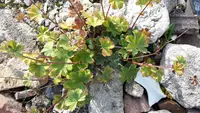
Edge Containment

Use a hand edger or spade 2–3 times per season to slice off creeping outer crowns that invade paths or neighboring plants, then replant the best pieces or compost the rest.

Mulch For Clean Foliage

Apply a thin 2–3 cm layer of fine compost or bark mulch around but not on top of the crowns to keep soil splash off the leaves and reduce foliar disease after heavy rain.

Division For Vigor

Every 3–5 years, lift and split congested clumps into smaller, healthy sections in early spring or early fall to maintain flowering performance and prevent die-out in the center.

Slugs And Splash Control

Reduce slug and snail damage by keeping dense groundcover slightly thinned for airflow and placing low, open traps near the clump rather than using harsh chemicals when caring for Alchemilla sericata.

Common Pests and Diseases

Powdery mildew

This disease causes a white, powdery film on leaves, often in warm, dry conditions with poor air circulation. Symptoms include distorted, dull foliage and reduced vigor.

Solution

Remove and dispose of heavily affected leaves, then improve airflow by thinning crowded clumps and avoiding overhead watering late in the day. If needed, apply a sulfur or potassium bicarbonate fungicide according to label directions, and keep the soil evenly moist to reduce stress while growing Alchemilla sericata.

Rust

This disease produces orange to brown pustules on the undersides of leaves and yellow patches on the upper surfaces. Symptoms include premature leaf drop and a general decline in plant appearance.

Solution

Cut off and discard affected leaves as soon as spots appear and keep foliage as dry as possible by watering at the base. Increase spacing between plants, remove plant debris in autumn, and if outbreaks are severe, use a labeled ornamental rust fungicide early in the season to protect new growth.

Leaf spot

This disease causes irregular brown or purplish spots on leaves that may merge into larger dead patches. Symptoms include a speckled, tatty look and early leaf loss, especially in damp, crowded plantings.

Solution

Trim and discard spotted leaves promptly, then improve drainage and airflow by dividing congested clumps and avoiding overhead irrigation. During persistently wet periods, a copper-based fungicide can help protect healthy foliage, and a mulch layer can reduce splash of spores from soil to leaves.

Vine weevil

This pest affects Alchemilla mainly through larvae that feed on roots and crowns, leading to wilting and collapse, while adults chew notches along leaf edges. This pest is most damaging in containers or very free-draining beds.

Solution

Inspect plants for notched leaves and gently check the root ball for creamy, C-shaped grubs, removing any by hand. In containers or small beds, use beneficial nematodes targeted at vine weevil larvae in late summer or early autumn and replace badly damaged plants into fresh, firmed soil.

Slugs and snails

These pests chew irregular holes in young leaves, often leaving slime trails, and can disfigure new growth in shady, moist beds. Symptoms include ragged edges on foliage and missing seedlings or young shoots.

Solution

Hand-pick slugs and snails in the evening, and create barriers with copper tape around pots or sharp grit around clumps in the border. Reduce hiding places such as dense ground debris, use beer traps or iron phosphate pellets if necessary, and favor morning rather than evening watering to keep the soil surface drier overnight.

Interesting Facts

Silvery leaf hairs

This species has dense, silky hairs on its leaves that give them a soft, silvery sheen and help trap a thin layer of still air, reducing water loss through evaporation.

Golden-yellow blooms

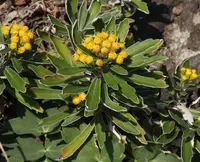
It produces small, star-like, golden-yellow flowers in loose sprays, which are especially attractive to short-tongued pollinators such as small bees and hoverflies.

Compact, clumping habit

Unlike some other lady’s mantles, it stays relatively low and forms tight mounds, making it well suited to edging paths and borders when growing Alchemilla sericata in gardens.

FAQs about Alchemilla sericata

This species forms low clumps and slowly spreads by short rhizomes and self-seeding. It is usually easy to control by lifting unwanted seedlings and edging clumps, and is not considered an aggressive spreader in typical garden settings.

Grow Healthy Plants with Botan Care

Keep your plants happy and healthy with plant identification, disease detection, and easy care guidance.

Botan plant care app — identify plants on mobile

Explore More Plants