Formosan alder Care (Alnus formosana)

Formosan alder

About Formosan alder

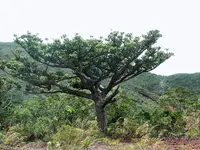
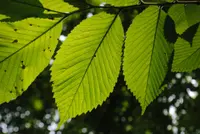
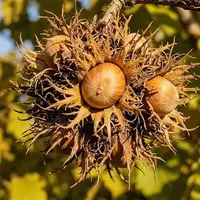
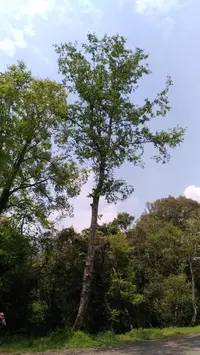
Formosan alder, Alnus formosana, is a fast-growing deciduous tree from mountain regions of Taiwan. It is often used in reforestation and erosion control. The tree has a straight trunk, gray-brown bark, and light green leaves, with small cone-like structures that hold its seeds. It typically forms an upright, open crown rather than a dense shade canopy. In cultivation, it is valued for its robustness, tolerance of poor soils, and ability to fix nitrogen, which improves soil fertility. It prefers full sun, consistent moisture, and well-drained soil, which helps guide how to care for Formosan alder in gardens or larger landscapes.

Main Plant Requirements

Care Difficulty

Moderate Care

Light Preference

Full Sun

Water Requirements

Regular Water

Temperature Preference

Warm Climate

Hardiness Zone

8–10

Soil Texture

Sandy, Loamy, Clay

Soil pH

Acidic (5.5–6.5), Slightly acidic (6.5–7.0)

Soil Drainage

Moist but well-drained

Fertilization

Minimal (feed rarely)

Get Personalized Care Plan

Scan your plant to receive care tips personalized for your specific plant

Available on iOS and Android

How to Care for the Formosan alder

This fast-growing tree prefers full sun but tolerates light shade, especially in hot climates.

  • Provide 6–8 hours of direct sun daily, ideally with morning sun and some light afternoon shade in hotter regions.
  • Allow partial shade (3–5 hours direct sun) for young Formosan alder trees to reduce leaf scorch risk while roots establish.
  • In dense shade, expect lanky growth and sparse foliage; in very exposed, reflective sites, watch for leaf yellowing or browning and consider wind or light shade protection.

This species thrives in consistently moist, not stagnant, soil.

  • Aim for soil that stays evenly damp to 10–15 cm depth; avoid letting the root zone dry out completely between natural rains or irrigation.
  • On well-drained sites, increase watering during hot, dry spells, using the foliage as a guide: drooping or dull leaves indicate the need for a deep soak.
  • Reduce supplemental watering in cool, wet seasons, and watch for signs of overwatering such as persistent surface puddling, foul odor, or blackened fine roots.

This tree is suited to mild, warm-temperate climates with only light winter cold.

  • Optimal growth occurs around 65–80°F (18–27°C), with strong shoot extension and dense foliage in late spring and summer.
  • Mature trees tolerate brief drops near 20–25°F (-6 to -4°C), but young plants benefit from protection from hard frost and cold, drying winds.
  • In hot summers above 90°F (32°C), provide ample soil moisture and a mulch layer to limit heat stress and reduce root-zone temperature swings.

This species tolerates a wide humidity range and rarely needs special humidity management outdoors.

Alnus formosana thrives in consistently moist, deep, loamy soil with reliable drainage.

  • Use a mix of garden loam, coarse sand, and well-rotted compost to create a moist but structured rooting zone.
  • Aim for slightly acidic to neutral pH, around 5.5–7.0, which supports nutrient availability and root health.
  • Improve drainage and aeration on heavy clay sites by incorporating coarse sand or fine gravel into the top 30–40 cm.
  • Avoid compacted, waterlogged, or very shallow soils, which restrict root expansion and increase root disease risk.

This tree is generally unsuited to long-term container culture due to its eventual size and vigorous root system.

This nitrogen-fixing tree needs only light, targeted feeding in most garden soils.

  • Use a balanced slow-release fertilizer (around 10-10-10) or well-rotted compost in early spring if growth appears weak or foliage pale.
  • Apply once per year during the active growing season; avoid overfeeding, since roots already fix atmospheric nitrogen.
  • Dilute liquid feeds to 1/2 strength for container-grown Formosan alder, and water beforehand to prevent root burn.
  • Stop all feeding 6–8 weeks before expected frost to allow wood to harden and reduce tender late growth.

Thoughtful pruning helps maintain structure and safety in Alnus formosana without reducing its natural form.

  • Carry out main pruning in late winter to very early spring, before bud break, when branch structure is visible.
  • Remove dead, damaged, crossing, or crowded branches first to improve airflow and reduce disease risk.
  • Use sharp bypass pruners or a clean pruning saw, making cuts just outside the branch collar for proper healing.
  • Light thinning maintains a strong central framework while limiting height or spread where space is restricted.

This fast-growing alder is usually field-grown and benefits most from careful outdoor transplanting rather than long-term container culture.

  • Transplant young trees in late fall or early spring, when soil is workable and the plant is dormant or just waking up.
  • Look for circling roots, root-bound containers, or stalled top growth as signs that seedlings need a larger pot or ground planting.
  • Move up only 1–2 pot sizes or into a prepared ground hole, spreading roots outward and planting at the same soil level as before.
  • Water deeply after transplanting, then keep soil evenly moist and mulch 5–8 cm to limit root stress and temperature swings.

Alnus formosana is most often propagated from seed under controlled outdoor or nursery conditions.

  • Collect ripe cones in late fall, dry them, and extract seeds for sowing in late winter to early spring.
  • Use a free-draining, low-nutrient seed mix, keeping it evenly moist at 59–68°F to support steady germination.
  • Light cold stratification (a cool, moist period) for 4–6 weeks can improve germination uniformity.
  • For cutting propagation, use softwood cuttings in early summer, apply rooting hormone, and maintain high humidity under bright, indirect light.

This tree is suited to mild, frost-free or only lightly frosty climates and may need protection in colder regions.

  • In areas below its hardiness range, grow Alnus formosana in a large container so it can be moved into a sheltered, frost-free space for winter.
  • Apply a 5–8 cm mulch layer around the root zone in fall to buffer soil temperature and moisture.
  • Shield young trunks from severe frost and sunscald with tree wraps or a light-colored trunk guard in exposed sites.

Care Tips

Wind-firm training

In the first 2–3 years, leave a low, temporary windbreak of shrubs or stakes on the prevailing-wind side and avoid heavy thinning so the young tree develops a sturdy trunk and good taper before full exposure.

Root-zone protection

Lay a 5–8 cm mulch ring out to at least the dripline, but keep it 5–8 cm away from the trunk, to protect surface feeder roots from heat, mower damage, and soil compaction.

Nitrogen management

Because this species fixes its own nitrogen, reduce or skip high-n fertilizers nearby and monitor surrounding plants for overly lush, weak growth that may indicate excess available nitrogen leaking from the alder’s root zone.

Streambank stabilization

On sloping or riparian sites, plant in staggered rows along the contour and pin coir or jute erosion matting between young trees to help roots knit the soil and reduce washouts while growing Formosan alder.

Trunk and branch selection

Each late winter, select a single straight leader and remove or shorten competing upright shoots, while retaining evenly spaced lateral branches, to build a strong long-term structure that resists storm damage.

Common Pests and Diseases

Alder leaf beetle

This pest feeds on young leaves, creating shot holes and skeletonized areas that can give the canopy a ragged appearance. Severe infestations may reduce vigor in young trees or recently planted specimens.

Solution

Hand-pick beetles and larvae from reachable branches and drop them into soapy water, and prune out heavily infested twigs on small trees. Encourage natural predators by avoiding broad-spectrum insecticides, and if needed use a targeted product containing spinosad or pyrethrins applied only to affected foliage according to label directions.

Alder aphids

These insects cluster on tender shoots and leaf undersides, sucking sap and causing leaf curl, distortion, and sticky honeydew deposits that can support sooty mold. Heavy populations can weaken young Alnus formosana and attract ants that protect the aphids.

Solution

Spray colonies off with a strong stream of water, repeating several times per week during outbreaks, and prune out heavily infested soft tips on small trees. For persistent infestations, apply insecticidal soap or horticultural oil to thoroughly coat aphids, treating in the early morning or evening to avoid leaf burn and to support sustainable Alnus formosana care instructions.

Leaf spot

This disease causes small brown to black spots on leaves that may merge into larger blotches, sometimes with yellow halos. Symptoms include premature leaf drop on stressed or crowded trees, especially after periods of prolonged leaf wetness.

Solution

Rake and remove fallen leaves to reduce the source of fungal spores, and irrigate at soil level rather than overhead to keep foliage dry. Improve air movement by light thinning in dense plantings, and in severe or recurring cases consider a labeled copper or chlorothalonil fungicide applied at bud break and repeated as directed.

Canker disease

This disease produces sunken, discolored lesions on branches or the trunk, often with cracked bark and dieback of shoots beyond the infected area. Symptoms include wilted foliage on affected branches and occasional oozing from the canker margins.

Solution

Prune out infected branches at least 15–20 cm below visible symptoms during dry weather, disinfecting tools between cuts with 70% alcohol or a 10% bleach solution. Reduce plant stress by maintaining even soil moisture, avoiding trunk wounds from lawn equipment, and improving drainage and site conditions to help the tree compartmentalize infections.

Phytophthora collar rot

This disease attacks the lower trunk and root collar in poorly drained or chronically wet sites, leading to dark, sunken lesions at the soil line and progressive canopy thinning. Symptoms include yellowing leaves, dieback of upper branches, and possible exudation of dark sap from the affected bark zone.

Solution

Improve drainage by redirecting runoff, lifting planting height, or creating shallow swales so the root collar does not sit in saturated soil. Remove soil or mulch piled against the trunk, avoid further irrigation around the base, and in valuable specimens consult a certified arborist about the careful use of phosphonate (phosphite) trunk or soil treatments to slow disease progression.

Interesting Facts

Nitrogen-fixing pioneer tree

This Taiwanese alder forms root nodules with actinomycete bacteria in the genus Frankia, allowing it to fix atmospheric nitrogen and rapidly colonize degraded or landslide-prone slopes in its native range.

Evergreen among alders

Unlike many temperate alder species that are deciduous, this species is functionally evergreen to semi-evergreen in subtropical climates, retaining foliage for much of the year in lowland and foothill forests of Taiwan.

Streamside habitat specialist

In the wild it typically grows along rivers, streams, and moist valleys from low to mid elevations in Taiwan, where its strong root system helps stabilize banks and reduce erosion.

Botan icon

Did you know?

Alnus formosana is often used in Taiwan as a nurse tree in reforestation projects, where its fast growth and nitrogen enrichment improve soil conditions for slower-growing native forest species to establish under its canopy.

FAQs about Formosan alder

This tree is generally fast-growing, often adding 30–90 cm of height per year in favorable conditions. Growth is quicker in deep, moist, fertile soil and slows in compacted, dry, or nutrient-poor sites.

Grow Healthy Plants with Botan Care

Keep your plants happy and healthy with plant identification, disease detection, and easy care guidance.


Botan plant care app — identify plants on mobile

Explore More Plants