Iberian Alder Care (Alnus lusitanica)

Iberian Alder

About Iberian Alder

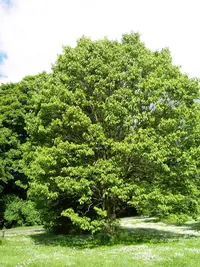
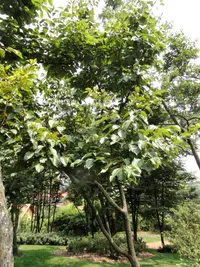
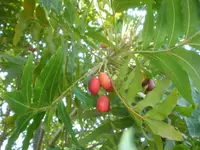
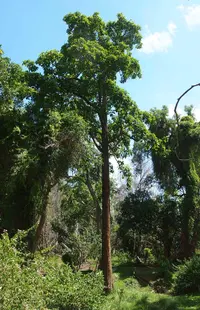
Iberian alder, Alnus lusitanica, is a medium-sized deciduous tree from the birch family, typically found along rivers and moist valleys in the Iberian Peninsula. It forms a rounded to slightly irregular crown with smooth gray bark and simple, finely toothed leaves that give a dense, green canopy in the growing season.

This species naturally colonizes wet, nutrient-rich soils and often grows in mixed riparian woodland. It fixes nitrogen in the soil through root bacteria, which supports relatively fast growth and makes it a resilient species in suitable sites.

Gardeners who want to care for Iberian Alder should provide moist to wet soil, good light, and enough space, as it is best used as an outdoor landscape or restoration tree rather than a small garden specimen.

Main Plant Requirements

Care Difficulty

Moderate Care

Light Preference

Full Sun

Water Requirements

Keep Soil Moist

Temperature Preference

Cool Climate

Hardiness Zone

7–9

Soil Texture

Loamy, Silty, Organic-rich

Soil pH

Acidic (5.5–6.5), Slightly acidic (6.5–7.0)

Soil Drainage

Waterlogged tolerant

Fertilization

Minimal (feed rarely)

Get Personalized Care Plan

Scan your plant to receive care tips personalized for your specific plant

Available on iOS and Android

How to Care for the Iberian Alder

This species prefers consistent light to support fast growth in moist habitats.

  • Provide 6–8 hours of direct sun daily in cool to mild climates; in hotter regions, aim for morning sun with light afternoon shade to limit leaf scorch.
  • Tolerates partial shade (3–5 hours sun) but growth and canopy density decline if light falls much below this range.
  • Newly planted Iberian Alder benefits from a more sheltered site its first 1–2 years, avoiding highly reflective, exposed spots that intensify summer sun.

This riparian tree thrives in constantly moist soil and does poorly if roots dry out.

  • Aim for soil that stays evenly damp to 10–15 cm depth; do not let the top 5 cm become fully dry, especially in the first 2–3 growing seasons.
  • In summer, increase watering during hot, windy periods when leaves begin to dull or wilt slightly by midday, using this as a cue rather than a fixed schedule.
  • Poor drainage causing standing water and sour, rotten smells signals overwatering; adjust by improving soil structure so Alnus lusitanica roots receive both moisture and air.

This temperate-climate tree handles a wide range of outdoor temperatures once established.

  • Optimal growth occurs around 55–77°F (13–25°C), typical of mild spring and early summer conditions in many temperate regions.
  • Mature trees tolerate winter lows near 5°F (−15°C), with short dips slightly lower if soil is moist and roots are insulated by mulch.
  • Heat tolerance extends to about 90–95°F (32–35°C) if soil remains cool and moist; young trees benefit from mulch and reduced reflected heat during hot spells.

Humidity is not a major concern for Alnus lusitanica, which adapts well to typical outdoor conditions.

Alnus lusitanica prefers consistently moist, fertile, well-structured soil that does not stay stagnant or compacted.

  • Use a deep loam with a mix of mineral soil and 20–30% organic matter such as compost or well-rotted leaf mold.
  • Aim for mildly acidic to neutral pH around 5.5–7.0, avoiding strongly alkaline or saline conditions that restrict nutrient uptake.
  • Ensure steady drainage with no standing water by planting slightly raised from surrounding grade or incorporating coarse sand if soil is heavy.
  • Avoid dry, shallow, or highly compacted ground where roots cannot penetrate and moisture fluctuates sharply.

This species is generally unsuited to long-term container growing, except as a short-term nursery or training plant.

Alnus lusitanica usually needs minimal feeding because it fixes atmospheric nitrogen through symbiotic root bacteria.

  • On poor soils, apply a light layer of well-rotted compost around the root zone once in spring.
  • If using fertilizer, choose a balanced slow-release NPK (around 10-10-10) at half strength.
  • Feed only during the active growing season; do not add fertilizer in winter dormancy.

Pruning Alnus lusitanica focuses on safety, structure, and removing weak growth rather than heavy shaping.

  • Carry out main pruning in late winter to very early spring, before bud break.
  • Remove dead, diseased, crossing, or storm-damaged branches with clean, sharp bypass pruners or a pruning saw.
  • Thin crowded inner branches to improve light and airflow, keeping a strong central leader where possible.
  • Limit cuts to smaller branches to reduce large wounds and maintain natural crown form.

This alder is usually grown in the ground, so care centers on transplanting young trees rather than repotting long term.

  • Transplant in late fall or early spring when the tree is dormant and soil is moist but not waterlogged.
  • Look for circling roots in nursery containers or slow, stalled growth as signs a larger planting space is needed.
  • Handle the root ball gently, loosening only lightly and keeping as much soil attached as possible to reduce stress.
  • Plant at the same depth as in the container, water thoroughly, then mulch 5–8 cm deep, keeping mulch off the trunk.

Propagation of Alnus lusitanica is usually done from seed for woodland or restoration plantings.

  • Collect ripe cones in late fall, dry them, then extract seeds for sowing.
  • Stratify seeds in moist sand in the refrigerator for 6–8 weeks to break dormancy.
  • Sow in spring on the surface of a free-draining mix, cover very lightly, and keep evenly moist.
  • Grow seedlings in bright light with good air movement before planting out once well rooted.

Iberian Alder is generally cold hardy in suitable climates and needs little specific winter care once established.

  • Young trees benefit from 5–8 cm of organic mulch over the root zone to buffer freeze–thaw cycles.
  • In exposed sites, use windbreaks or shelters for the first 1–2 winters to reduce stem stress.
  • Container-grown plants in colder regions can be moved to a sheltered, unheated area to prevent root freezing.

Care Tips

Establish root zone

During the first 2–3 years, maintain a 60–90 cm wide, grass‑free mulch ring around the trunk to reduce competition and help roots establish deeply for long-term stability when growing Iberian Alder.

Encourage straight leader

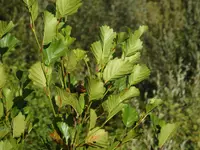
In young trees, select the strongest upright shoot as the central leader and remove or lightly shorten competing upright branches in late winter to build a stable, storm-resistant structure.

Manage suckers early

Inspect the base and root zone 2–3 times per year and cut any basal shoots or root suckers flush with the originating tissue to prevent a thicket-forming habit and maintain a single-trunk tree form.

Protect from soil compaction

Keep heavy foot traffic, parked vehicles, and repeated machinery passes outside the drip line to avoid compacted soil, which restricts oxygen to the nitrogen-fixing roots and reduces growth.

Use flood tolerance

In waterlogged or riparian sites, plant slightly higher on a low mound and allow lower areas around the tree to collect excess water, using the species’ natural flood tolerance to stabilize wet ground and reduce erosion.

Common Pests and Diseases

Alder leaf beetle

This pest feeds on alder foliage, causing shot holes, skeletonized leaves, and premature defoliation. Heavy, repeated feeding can weaken young trees and reduce growth.

Solution

Inspect foliage regularly from spring to late summer and hand-pick beetles and larvae from small trees where possible. Encourage birds and predatory insects, avoid nitrogen-heavy fertilization that drives soft new growth, and, for serious infestations, use a targeted foliar spray containing azadirachtin or spinosad, applied according to label directions and timed to the larval stage.

Alder aphids

These insects form dense colonies on young shoots and leaf undersides, extracting sap and causing curling, distortion, and sticky honeydew that can lead to sooty mold. Growth on stressed or recently planted trees may be noticeably reduced.

Solution

Prune and discard heavily infested shoots, then hose down remaining foliage with a strong water jet to dislodge aphids. Support natural predators such as lady beetles, avoid overfertilizing with quick-release nitrogen, and, if needed, use insecticidal soap or horticultural oil, ensuring thorough coverage of leaf undersides during mild, dry weather.

Alder rust

This disease produces yellow to orange spots on leaves and sometimes small swellings on shoots, which can cause early leaf drop in wet seasons. Severe, repeated infections reduce vigor and aesthetic quality.

Solution

Rake and remove fallen leaves to reduce overwintering spores and improve spacing so air can move freely through the canopy. In areas with a history of rust, avoid overhead irrigation and consider applying a copper-based fungicide early in the season when new leaves emerge, following local guidelines for ornamental tree use.

Cankers

This disease causes sunken, discolored patches on stems or branches, which may crack or ooze and lead to dieback beyond the affected area. Symptoms include sparse foliage, dead twigs, and poor recovery after stress such as drought or mechanical damage.

Solution

Prune out affected branches several inches below the visible canker during dry weather, disinfecting tools between each cut with alcohol or a 10% bleach solution. Reduce stress by maintaining consistent soil moisture, avoiding trunk injuries, and improving site drainage, and remove severely affected young trees to limit spread in dense plantings.

Leaf spot

Symptoms include small brown or black spots on leaves that may coalesce into larger blotches, sometimes with pale halos and premature leaf yellowing. In humid conditions, heavily affected foliage may drop early, reducing photosynthesis and overall vigor.

Solution

Collect and dispose of fallen leaves, thin surrounding vegetation to increase airflow, and avoid wetting foliage during irrigation. For recurring problems in the same site, apply a broad-spectrum foliar fungicide labeled for ornamental trees at bud break and repeat as directed, focusing on how to take care of Iberian Alder in damp, poorly ventilated locations.

Interesting Facts

Iberian range specialist

This alder is naturally restricted to the western Iberian Peninsula, mainly in Portugal and adjacent parts of Spain, where it follows humid Atlantic-influenced valleys and lowland watercourses.

Alliance with nitrogen bacteria

Its roots form nodules with Frankia actinobacteria, allowing the tree to fix atmospheric nitrogen and enrich riverbank soils that are often nutrient-poor or periodically disturbed.

Flood-adapted riverbank tree

The species is adapted to regularly flooded riparian zones, tolerating waterlogged substrates and helping to stabilize streambanks while providing shade that moderates water temperature for aquatic life.

FAQs about Iberian Alder

This species is generally fast-growing, often adding 30–60 cm of height per year in suitable, moist conditions. Growth slows in dry, compacted, or nutrient-poor soils and in exposed, windy sites.

Grow Healthy Plants with Botan Care

Keep your plants happy and healthy with plant identification, disease detection, and easy care guidance.

Botan plant care app — identify plants on mobile

Explore More Plants