Dragon Scale plant Care (Alocasia baginda)

Dragon Scale plant

About Dragon Scale plant

The Dragon Scale plant, Alocasia baginda, is a compact tropical aroid grown mainly for its striking foliage. It forms a clumping growth of upright stems from underground rhizomes.

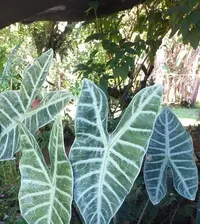
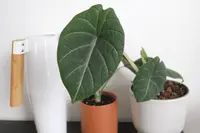
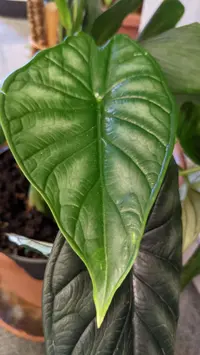
Leaves are thick, shield-shaped, and deeply veined, with a metallic gray-green surface and darker raised veins that resemble reptile scales. The undersides are often reddish to purple.

This species originates from humid tropical forests of Borneo, where it grows on the forest floor in warm, filtered light and consistently moist, airy soil.

Its beauty comes with some sensitivity, so it can be moderately challenging and suits growers willing to monitor humidity, watering, and light to properly care for Dragon Scale plant.

Main Plant Requirements

Care Difficulty

Hard Care

Light Preference

Bright Indirect Light

Water Requirements

Keep Soil Moist

Temperature Preference

Tropical / Frost Sensitive

Hardiness Zone

10–12

Soil Texture

Loamy, Peaty, Organic-rich

Soil pH

Acidic (5.5–6.5), Slightly acidic (6.5–7.0)

Soil Drainage

Moist but well-drained

Fertilization

Moderate (every 2–4 weeks)

Get Personalized Care Plan

Scan your plant to receive care tips personalized for your specific plant

Available on iOS and Android

How to Care for the Dragon Scale plant

This species prefers bright, indirect light that mimics a lightly shaded tropical understory.

  • Provide 6–8 hours of bright, filtered light each day, such as near an east window or behind a sheer curtain with dappled sun.
  • Allow light to be slightly lower in summer; partial shade outdoors prevents leaf scorch, especially for the Dragon Scale plant form.
  • Watch leaves for feedback: pale, scorched patches indicate too much direct sun, while leggy stems and small, dark leaves suggest insufficient light.

Watering should keep the root zone evenly moist but never saturated.

  • Before watering, let the top 2–3 cm of soil dry, checking with a finger rather than following a fixed schedule.
  • Use a free-draining mix and empty any standing water quickly to reduce risk of root rot, yellowing leaves, and mushy petioles.
  • In cooler or low-light months, expect slower drying and reduce watering; drooping, crisp edges suggest underwatering, while limp, yellowing foliage points to excess moisture.

Stable warmth is essential for strong growth and healthy foliage.

  • Aim for 70–80°F (21–27°C) during active growth; Alocasia baginda slows noticeably below about 65°F (18°C).
  • Protect from cold; growth is stressed below 60°F (16°C) and tissue damage can occur near 50°F (10°C), with frost causing rapid leaf collapse.
  • In hotter periods above 85°F (29°C), increase humidity and airflow while keeping soil slightly more monitored so it does not dry completely or overheat around the roots.

This species needs consistently high humidity to maintain healthy foliage and growth.

  • Aim for 60–80% humidity; use a hygrometer to monitor levels near the Dragon Scale plant.
  • In dry air, leaf edges may brown, curl, or develop small crispy patches, especially on newer leaves.
  • Increase humidity with a nearby humidifier, grouped plants, and a water-filled pebble tray placed close to the pot.

Alocasia baginda prefers an airy, moisture-retentive but sharply draining mix that mimics loose tropical forest soil.

  • Use a base of peat or coco coir with added fine bark and perlite to balance water retention and drainage.
  • Target a slightly acidic to neutral pH around 6.0–7.0, avoiding strongly alkaline mixes that can limit nutrient uptake.
  • Ensure the mix feels springy and open; large air pockets around roots help reduce the risk of rot in this species.
  • Avoid heavy garden soil, dense potting compost, or mixes with large amounts of clay that stay wet and compact.

This species is well suited to container growing when the pot supports both root health and stable foliage.

  • Choose a pot only 2–4 cm wider than the root ball to keep the mix drying at a moderate, even rate.
  • Select a sturdy container that will not tip over easily, as large leaves can make the plant top-heavy.
  • Use a pot material that matches your environment: porous terracotta for wetter homes, less porous plastic or ceramic for drier rooms.

Alocasia baginda benefits from consistent but moderate feeding during its active growing season.

  • Use a balanced liquid fertilizer (around 10-10-10 or 20-20-20) diluted to 1/4–1/2 strength for every 2–4 waterings in spring and summer.
  • Alternatively, apply a light layer of fine compost or a gentle slow-release fertilizer at the start of the growing season.
  • Suspend or reduce feeding to once every 6–8 weeks in fall and winter when growth slows.
  • For healthy Dragon Scale plant indoor care, always water before fertilizing to avoid root burn in this salt-sensitive species.

Alocasia baginda needs minimal pruning focused on cleanliness and leaf health rather than shaping.

  • Best time for light pruning is late winter to early spring, just before new growth accelerates.
  • Remove yellowing, dead, or mechanicaly damaged leaves at the base using clean, sharp scissors or pruners.
  • Cut away crowded, crossing petioles only if they trap moisture or limit airflow around the crown.
  • Disinfect tools before and after use to reduce the risk of bacterial or fungal infection entering fresh cuts.

This species prefers slightly snug pots and is repotted only when clear signs of crowding appear.

  • Check for roots circling the pot, growing through drainage holes, or noticeably slowed growth as signals to repot.
  • Plan repotting for mid to late spring, every 1–2 years, when new growth is starting and recovery is fastest.
  • Move to a container just 2–5 cm wider with excellent drainage and a chunky aroid mix to limit root disturbance.
  • Water thoroughly after repotting, keep humidity high, and shade from strong light for 7–10 days to reduce transplant shock.

Alocasia baginda is most reliably propagated by division of the rhizome or offsets rather than from seed.

  • Schedule division in warm spring or early summer when the plant is actively growing and can recover quickly.
  • Unpot the plant carefully, gently separate natural clumps or offsets, ensuring each piece has roots and at least one healthy shoot or eye.
  • Plant divisions into small pots with airy, well-drained mix, then keep at 70–80°F, high humidity, and bright, indirect light.
  • Maintain lightly moist but not soggy soil and avoid fertilizing for 3–4 weeks until new growth confirms establishment.

This tropical species is frost-sensitive and needs controlled indoor conditions in winter in most climates.

  • Keep plants indoors above 60°F, ideally 65–75°F, away from drafts, cold windows, and heater blasts.
  • Reduce watering so the top 3–4 cm of soil dries between waterings to limit rot in cool conditions.
  • Stop or greatly reduce feeding, focusing on stable temperature, moderate humidity, and clean foliage instead.
  • If growth stalls or leaves fade, allow a semi-dormant rest and resume stronger care once days lengthen in spring.

Care Tips

Acclimate New Leaves

Rotate the pot slightly each week as new leaves unfurl so each side receives similar light exposure, which helps the thick, textured blades harden evenly and reduces leaf twist or leaning.

Manage Dormant Phase

If growth slows and a few leaves are shed in cooler, darker months, reduce handling and repotting, keep the root zone barely moist, and wait for new growth points before resuming more active caring for Dragon Scale plant routines.

Use Support Stakes

Insert a slim, smooth stake near the main stem and loosely tie it with soft ties if leaves start to flop, which keeps petioles from kinking and prevents mechanical damage at the base.

Airflow Without Drafts

Position a small fan on a low, indirect setting across the room to provide gentle air movement that discourages fungal spots and spider mites without creating cold drafts on the foliage.

Quarantine And Inspect

Quarantine any new aroids for 2–3 weeks and inspect the undersides of leaves and petioles with a magnifier so pests like spider mites, thrips, or scale are detected early before they spread to an established plant.

Common Pests and Diseases

Spider mites

This pest thrives on the thick, textured leaves, causing stippling, dull patches, and fine webbing, especially in dry indoor air. Symptoms include slow decline and leaves that look dusty or faded.

Solution

Rinse both sides of the leaves thoroughly with lukewarm water and a mild soap solution, then wipe to remove webs and mites. Increase humidity, isolate the plant, and apply a neem oil or insecticidal soap spray every 5–7 days for several cycles, making sure to coat the undersides of leaves.

Aphids

These insects cluster on tender petioles and new foliage, sucking sap and leaving sticky honeydew that can attract sooty mold. Distorted new leaves and a shiny or tacky residue are typical signs.

Solution

Physically remove colonies by rinsing with a strong but gentle stream of water, then treat with insecticidal soap or a neem oil spray, repeating weekly until no new aphids appear. Remove heavily infested leaves and keep the plant slightly away from other houseplants during treatment to prevent spread.

Rhizoctonia leaf spot

This disease causes round to irregular brown lesions with yellow halos on the broad leaves, often starting where water sits on the surface. Symptoms include rapidly expanding spots that can merge and cause sections of the leaf to die.

Solution

Remove and discard affected leaves, cutting well into healthy tissue, and avoid wetting the foliage when watering. Improve air movement around the plant, reduce crowding, keep the potting mix slightly drier on the surface, and if spread continues, use a labeled fungicide suited for ornamental aroids according to the product instructions.

Bacterial blight

This disease produces water-soaked, translucent patches that quickly turn dark and soft along the veins, sometimes with a foul smell. Symptoms include sudden collapse of portions of a leaf, starting at the edge or along midrib areas.

Solution

Isolate the plant immediately, remove and discard all infected tissue with sterilized tools, and avoid overhead watering or water sitting on leaves. Improve air circulation, keep leaves dry, and if infection is severe or systemic, consider discarding the plant and disinfecting pots and tools before reusing.

Fungus gnat larvae

This pest lives in constantly moist potting mix and feeds on fine roots and new root tips, which is a concern for a moisture-loving but sensitive aroid like this. Symptoms include wilting despite moist soil, slowed growth, and small black adult gnats flying around the pot surface.

Solution

Allow the top 2–3 cm of the potting mix to dry before each watering, and use yellow sticky traps to reduce adult numbers. Drench the soil with a biological control such as Bacillus thuringiensis israelensis (Bti) or use a layer of coarse sand or small gravel on the surface to discourage egg-laying, adjusting watering habits as part of long-term Alocasia baginda care.

Interesting Facts

Armor-like leaf texture

This species develops thick, bullate leaves with deeply sunken veins, creating a three‑dimensional, scale-like surface that distinguishes it from most other Alocasia species and helps reduce direct surface contact with water in its humid native habitat.

Limited native range

Alocasia baginda is believed to be endemic to parts of Borneo, where it grows on the forest floor in warm, shaded, and consistently humid microhabitats, making it naturally adapted to filtered light rather than direct sun.

Distinct venation color shift

Mature leaves often show a marked contrast between dark green to almost charcoal lamina and paler, sometimes silvery veins, and this contrast can become more pronounced as the leaf ages and cuticle thickens.

FAQs about Dragon Scale plant

Leaf curling usually results from low humidity, underwatering, or cold drafts. Check for dry soil, move it away from vents or open windows, and increase humidity with a pebble tray or room humidifier.

Grow Healthy Plants with Botan Care

Keep your plants happy and healthy with plant identification, disease detection, and easy care guidance.

Botan plant care app — identify plants on mobile

Explore More Plants