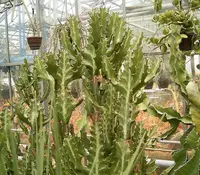
Aloe secundiflora Care

Aloe secundiflora

About Aloe secundiflora

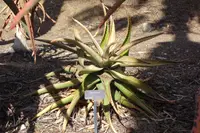
Aloe secundiflora is a medium to large rosette-forming succulent native to dry grasslands and rocky slopes of East Africa. It stores water in thick, fleshy leaves, which helps it tolerate drought and neglect. Mature plants form wide, low rosettes with firm, sometimes slightly spotted leaves and tall flower stalks bearing tubular blooms that attract pollinators in warm climates.

This species is generally robust and adaptable, provided it receives strong light, sharp drainage, and infrequent watering. For anyone wanting to care for Aloe secundiflora successfully, the key is avoiding standing water and heavy, compacted soil.


Main Plant Requirements

Care Difficulty

Easy Care

Light Preference

Full Sun

Water Requirements

Low Water

Temperature Preference

Tropical / Frost Sensitive

Hardiness Zone

10–12

Soil Texture

Sandy, Loamy, Rocky

Soil pH

Acidic (5.5–6.5), Slightly acidic (6.5–7.0)

Soil Drainage

Well-drained

Fertilization

Minimal (feed rarely)

Get Personalized Care Plan

Scan your plant to receive care tips personalized for your specific plant

Available on iOS and Android

How to Care for the Aloe secundiflora

This sun-loving succulent thrives in strong light typical of open, arid landscapes.

  • Give Aloe secundiflora 6–8 hours of direct sun daily, ideally strong morning sun with some protection from harsh late-afternoon exposure in very hot regions.
  • Plant in an open, unshaded position; it tolerates light partial shade but prolonged shade leads to elongated, weak growth and dull, flattened leaves.
  • Watch for sun stress: firm, slightly reddish leaves are normal in high light, but bleaching, crisp brown patches, or rapid leaf shriveling indicate excessive, scorching sun.

This species is drought-adapted and stores water in its leaves, so watering must stay on the dry side.

  • Allow the top 3–5 cm of soil to dry completely before watering; in hot, dry seasons this may mean deep watering every 1–3 weeks, less often in cool weather or heavier soils.
  • Use sharply draining, gritty soil on a slope or mound if possible so water runs off quickly and does not pool around the crown or roots.
  • Monitor signs: soft, yellowing, or translucent leaves suggest overwatering, while thin, curling, or heavily wrinkled leaves indicate it has been dry for too long.

This East African aloe is adapted to warm, dry climates with mild winters.

  • Best growth occurs around 70–85°F (21–29°C), with good air movement and dry conditions, especially overnight.
  • It tolerates brief heat up to about 95–100°F (35–38°C) if soil is very free-draining, but growth slows in prolonged extreme heat combined with high humidity.
  • Protect from cold; it is damaged near 32°F (0°C) and should be kept above 40°F (4°C), since repeated light frosts can scar leaves and kill young rosettes.

This species tolerates a wide humidity range and usually does not need special humidity control indoors.

  • Prefers 30–50% relative humidity, similar to typical indoor air in most homes.
  • Handles dry air well, but very stagnant, overly humid air can increase risk of leaf rot at the base.
  • Signs of excess humidity include soft, mushy lower leaves and dark lesions near the soil line; improve air movement if seen.

Aloe secundiflora needs a very fast-draining, mineral-rich substrate to prevent root and crown rot.

  • Use a gritty mix such as 50–70% inorganic material (coarse sand, pumice, or perlite) blended with 30–50% cactus potting mix.
  • Aim for a slightly acidic to neutral pH around 6.0–7.0, which supports balanced nutrient uptake without stressing roots.
  • Improve aeration by using large particle sizes (3–6 mm) and avoiding fine peat that compacts and stays wet.
  • Avoid dense, clay-based, or water-retentive mixes and do not add moisture-holding crystals, which keep roots wet for too long.

This species is well suited to container growing when the pot is chosen to manage its weight and spreading rosette.

  • Select a wide, low container that resists tipping as the rosette enlarges and offsets form around the base.
  • Choose unglazed terracotta if extra evaporation is needed, especially in cooler or low-light positions where the mix dries slowly.
  • Raise the pot on feet or spacers so drainage holes stay clear and water can exit quickly after each irrigation.

This drought-adapted succulent needs only light feeding to stay healthy in cultivation.

  • Use a diluted balanced liquid fertilizer (around 10-10-10 or 20-20-20 at 1/4 strength) on well-watered plants.
  • Feed Aloe secundiflora once every 6–8 weeks during spring and summer only.
  • Choose products formulated for cacti and succulents, or use a very thin mix of compost tea.
  • Stop feeding in fall and winter so growth slows naturally and salts do not build up.

Pruning is minimal and focuses on hygiene rather than shaping for Aloe secundiflora.

  • Best time is late winter to early spring, before strong new growth starts.
  • Remove dead, yellowing, pest-damaged, or badly scarred leaves at the base using clean, sharp pruners or a knife.
  • Cut close to the stem without damaging healthy tissue to maintain a tidy rosette form.
  • Discard diseased material in the trash and clean tools with alcohol to limit pathogen spread.

This species prefers to stay slightly root-bound and does not need frequent repotting.

  • Check for roots circling the pot, pushing through drainage holes, or very slow growth as signs to repot.
  • Plan repotting or outdoor transplanting in late spring, once temperatures stay above 55°F.
  • Repot every 3–4 years into a slightly larger container with gritty, fast-draining cactus mix.
  • Lift the plant gently, keep roots mostly intact, and allow any broken roots to dry briefly before watering.

Propagation of Aloe secundiflora is most reliable from offsets rather than seeds.

  • Detach offsets (pups) in late spring or early summer when they have several leaves and their own roots.
  • Let cut surfaces dry and callus for 2–3 days in shade before potting in dry, sandy cactus mix.
  • Provide bright, indirect light, temperatures around 70–80°F, and very light watering until roots establish.
  • Seed propagation is possible in warm, bright conditions but is slower and less uniform.

This aloe is not frost hardy and needs protection in regions with cold winters.

  • In USDA zones below 10, grow in containers and move plants indoors before temperatures drop below 40°F.
  • Outdoors in mild climates, apply a light gravel mulch around the crown to keep the root zone free-draining.
  • Place indoor plants in the brightest possible spot and keep temperatures above 55°F.
  • Reduce winter watering sharply so the soil stays mostly dry and foliage does not rot in cool conditions.

Care Tips

Control Rosette Crowding

Thin out and remove tightly packed older rosettes every few years so air can move between plants, which reduces fungal problems and keeps each head strong and symmetrical when growing Aloe secundiflora outdoors or in containers.

Stabilize Heavy Leaves

In large, top-heavy specimens, support the base with a shallow gravel mulch and, if needed, three short stones or bricks around the stem to prevent rocking and root damage in strong wind or when moving the pot.

Encourage Offsets Selectively

Leave only 2–4 of the healthiest offsets around the mother plant and remove the rest with a clean, angled cut so the main rosette receives enough resources and the clump develops an open, balanced shape.

Sun-Hardening Routine

Before shifting a plant to a sunnier spot or outdoors for summer, increase light exposure over 7–10 days to avoid leaf scorch and allow the tissues to build protective pigments gradually.

Winter Rest Management

During short, cool days, keep the plant in a bright, dry position and avoid repotting or heavy feeding so the natural semi-dormant period is not disrupted and root systems stay compact and healthy.

Common Pests and Diseases

Aloe cancer

This disease causes abnormal, wart-like tissue growths that distort leaves and sometimes stems. Symptoms include bumpy, crusted patches that can spread across the rosette over time.

Solution

Remove and destroy affected leaves promptly using sterilized tools, and discard severely deformed plants to prevent spread. Reduce plant stress by providing strong light, well-drained gritty soil, and careful watering, and avoid reusing soil or tools from infected plants when growing Aloe secundiflora.

Aloe rust

This disease produces small yellow spots on leaves that turn into orange to brown pustules, often visible on the underside first. Symptoms include rough, powdery spore masses that may coalesce into larger dark patches.

Solution

Remove and discard affected leaves, improve airflow around the plant, and avoid overhead watering so leaves dry quickly. For valuable collections, use a sulfur-based or copper-based fungicide labeled for succulents, applied according to directions, and keep nearby aloes under observation for new spots.

Aphids

These insects cluster on young leaves and flowering stems, sucking sap and causing curling, distortion, and sticky honeydew deposits. This pest can attract sooty mold fungi and weaken flowering plants in outdoor Aloe secundiflora stands.

Solution

Rinse colonies off with a firm stream of water and prune heavily infested flower stalks. For persistent infestations, treat soft growth with insecticidal soap or a light horticultural oil, repeating every 5–7 days until no new aphids appear, and reduce excessive nitrogen fertilization that encourages soft, aphid-prone growth.

Aloe mite

This pest is a microscopic eriophyid mite that induces grotesque, tumor-like swellings and frilly, deformed tissue, often at leaf bases or around old wounds. Symptoms include tightly clustered, abnormal growth that does not resemble normal leaf tissue.

Solution

Isolate the plant immediately, remove all affected tissue with sterile tools, and discard it in sealed trash, not compost. Severely affected plants are best destroyed; for early cases, some growers use targeted miticides labeled for eriophyid mites and maintain strict hygiene by disinfecting tools and quarantining new aloes.

Scale insects

These insects appear as small, dome-shaped brown or gray bumps along leaf margins and bases, where they suck sap and may cause yellowing or general decline. This pest often produces honeydew that can lead to black sooty mold on leaf surfaces.

Solution

Manually scrape or wipe scale off with a cotton pad dipped in isopropyl alcohol, repeating weekly until no new bumps appear. For heavier outdoor infestations, apply a light horticultural oil, ensuring full coverage of leaf bases and undersides, and remove heavily weakened leaves to improve plant recovery.

Interesting Facts

Eastern African specialist

This species is naturally restricted to semi-arid regions of eastern Africa, especially Kenya and northern Tanzania, where it forms dominant stands on open rocky slopes and plains.

Clumping rosette growth

Mature plants often form large clumps of many rosettes from a single base, creating low, spreading colonies that help stabilize shallow, stony soils.

Bird-pollinated flowers

Its tall inflorescences with tubular red to orange flowers are adapted for pollination by sunbirds, which visit for nectar and transfer pollen between widely spaced plants.

Botan icon

Did you know?

In some dry East African rangelands, dense natural populations of this species are used as living barriers and soil-binding plants, helping reduce erosion on overgrazed slopes and degraded grazing lands.

FAQs about Aloe secundiflora

Lack of flowers usually comes from insufficient light, a plant that is still immature, or stress from cold or overwatering. Consistent bright outdoor sun, free-draining soil, and avoiding heavy feeding often encourage flowering in established plants.

Grow Healthy Plants with Botan Care

Keep your plants happy and healthy with plant identification, disease detection, and easy care guidance.

Botan plant care app — identify plants on mobile

Explore More Plants