Deep root training
In the first 2–3 years, water less often but deeply and gradually extend the interval between waterings to encourage a deeper, more drought-resilient root system in this naturally dryland tree.

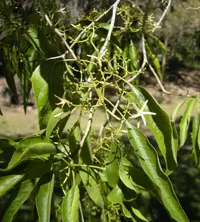
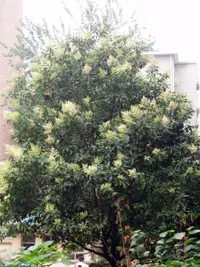
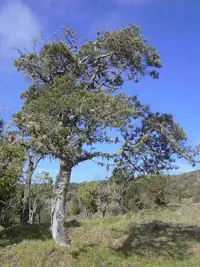
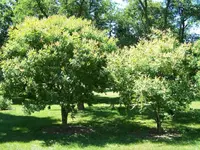
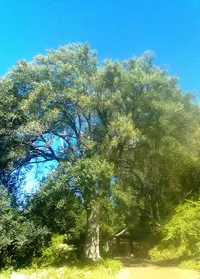
Bitterbark (Alstonia constricta) is a small to medium evergreen tree or shrub, known for its narrow grey-green leaves and rough, pale bark. It often develops a rounded, fairly open crown.
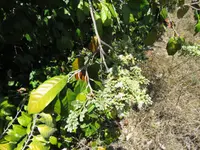
This species is native to dry woodland and scrub areas of eastern Australia, where it tolerates poor, rocky soils and seasonal drought. Its white, sometimes fragrant flowers appear in clusters, followed by narrow seed pods.
The plant is generally tough but slower growing, which can make it less common in ornamental use. Those who want to care for Bitterbark should know it prefers sunny positions, well-drained soil, and moderate watering without prolonged waterlogging.

Care Difficulty
Moderate Care

Light Preference
Full Sun

Water Requirements
Low Water

Temperature Preference
Warm Climate

Hardiness Zone
9–11

Soil Texture
Sandy, Loamy

Soil pH
Slightly acidic (6.5–7.0), Neutral (7.0)

Soil Drainage
Well-drained

Fertilization
Minimal (feed rarely)
Scan your plant to receive care tips personalized for your specific plant
Available on iOS and Android
Alstonia constricta prefers bright outdoor light with limited harsh afternoon exposure.
This species prefers evenly moist but never waterlogged soil once established outdoors.
This plant favors warm, frost-free conditions throughout the year.
This species tolerates a wide humidity range and usually does not need special humidity control indoors or outdoors.
Alstonia constricta prefers freely draining, slightly sandy soil that never stays waterlogged.
This species can be grown in containers if the pot is managed for strong drainage and root depth.
Alstonia constricta grows well in modest soils and benefits from light, focused feeding in containers or nutrient-poor ground.
Pruning Alstonia constricta is mainly done to maintain structure and remove problem growth rather than to control size strongly.
This species is most often grown in the ground, so care focuses on transplanting young plants rather than frequent repotting.
Propagation of Alstonia constricta is possible but slower and less common in home settings, mainly done from seed or semi-hardwood cuttings.
Alstonia constricta is suited to mild, frost-free or light-frost climates and needs protection in colder regions.

Plant Health Check
Not sure what's wrong with your plant? Check your plant's health inside the app.
The bark and leaves contain a white, bitter latex typical of the dogbane family, which helps deter herbivores and seals wounds when tissues are damaged.
This species is native to inland eastern Australia, where it grows mainly in dry open woodlands and scrub on poor, well-drained soils, showing strong adaptation to low-nutrient environments.
The bark is notably one of the most bitter among Australian trees, a trait historically used as a diagnostic feature to distinguish it from related Alstonia species.

In the late 19th and early 20th centuries, Bitterbark was harvested extensively from wild Australian populations and exported as a pharmaceutical raw material, leading to localized depletion and prompting early discussions about sustainable sourcing of native medicinal trees.
This species is generally slow to moderate growing. Young plants may add about 15–30 cm per year, with growth speeding up slightly once well established and root systems deepen in warm climates with consistent moisture and good drainage.
Keep your plants happy and healthy with plant identification, disease detection, and easy care guidance.