Early canopy training
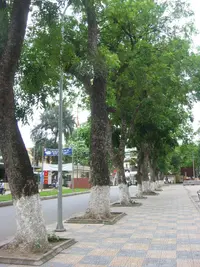
Select 3–5 well-spaced primary branches while the plant is young, then lightly tie them outward using soft ties to form an open vase shape that improves light penetration and flower display.

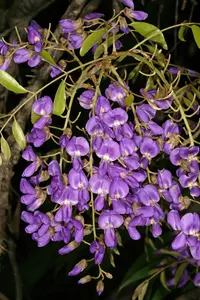
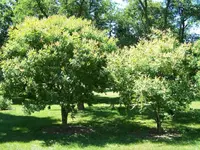
Tree wisteria, Bolusanthus speciosus, is a small to medium deciduous tree known for its graceful, weeping habit and hanging clusters of violet-blue flowers. It is native to southern Africa, where it grows in warm, open woodlands and savannas.
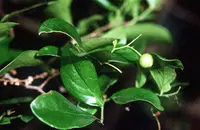
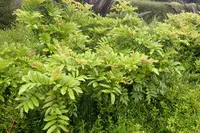
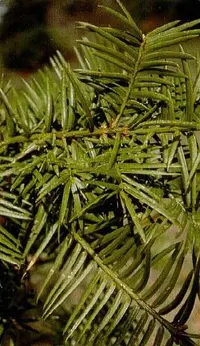
The foliage is fine and feathery, giving the tree a light, airy look even when not in bloom. Flowering is typically abundant in suitable climates, which makes it a popular ornamental choice in mild, frost-free areas.
Tree wisteria is moderately fast-growing but dislikes severe frost, so it suits sheltered gardens in warmer regions. It prefers full sun, well-drained soil, and moderate moisture, and these traits influence how to care for Tree Wisteria successfully.

Care Difficulty
Moderate Care

Light Preference
Full Sun

Water Requirements
Moderate Water

Temperature Preference
Tropical / Frost Sensitive

Hardiness Zone
10–11

Soil Texture
Sandy, Loamy, Organic-rich

Soil pH
Slightly acidic (6.5–7.0), Neutral (7.0)

Soil Drainage
Well-drained

Fertilization
Minimal (feed rarely)
Scan your plant to receive care tips personalized for your specific plant
Available on iOS and Android
Bolusanthus speciosus prefers bright, direct sun in mild climates but tolerates some light shade.
Water Bolusanthus speciosus to keep soil moderately moist during active growth, then slightly drier in winter.
This species prefers warm, frost-free conditions with only brief exposure to cooler temperatures.
This species handles a wide humidity range but grows best with slightly moist air.
This species prefers freely draining, moderately fertile soil that does not stay waterlogged.
This small tree can be grown successfully in containers when its root space and drainage are carefully managed.
Bolusanthus speciosus benefits from moderate, well-timed feeding to support flowering and steady growth.
Bolusanthus speciosus responds well to light, structured pruning that maintains form and flowering wood.
This tree is usually grown in the ground, so focus on careful transplanting and occasional container adjustment for young plants.
Bolusanthus speciosus is usually propagated from seed or semi-hardwood cuttings under warm, controlled conditions.
This subtropical tree has limited frost tolerance and needs thoughtful winter care in cooler regions.

Plant Health Check
Not sure what's wrong with your plant? Check your plant's health inside the app.
This species is the only member of the genus Bolusanthus, which makes it a monotypic genus within the legume family Fabaceae and of particular interest to botanists studying evolutionary relationships in legumes.
In parts of southern Africa, this tree is called the rain tree because raindrops often cling to and drip from its fine foliage long after a shower, creating a noticeable and prolonged dripping effect beneath the canopy.
The tree produces abundant hanging clusters of purple, pea-like flowers with the classic papilionoid structure (banner, wings, and keel petals), which are characteristic of many legumes and are adapted for pollination by insects that land and push into the flower.

The fine-grained, hard wood of this species has traditionally been valued in southern Africa for small-scale uses such as tool handles and carved objects, reflecting its combination of durability and attractive appearance even though it is not a major commercial timber tree.
Poor flowering often comes from immature age, insufficient light, or stress from pruning at the wrong time. Avoid heavy pruning of young shoots, keep the tree unstressed, and allow several years for full floral display to develop.
Keep your plants happy and healthy with plant identification, disease detection, and easy care guidance.