Encourage Bushy Shape
Pinch back soft new shoots by 2–3 cm in late spring to encourage a denser, more compact mound and reduce the chance of stems flopping after heavy rain.

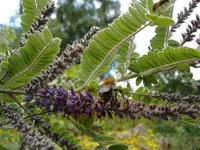
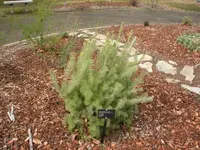
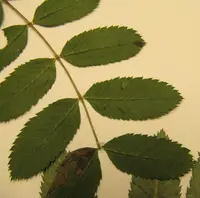
Dwarf false indigo, Amorpha nana, is a compact, deciduous shrub in the legume family, valued for its toughness and fine texture. It typically forms low mounds with many slender stems, small pinnate leaves, and short spikes of purple flowers with orange anthers.
This species is native to dry prairies and open habitats in central North America, where it copes well with sun, wind, and poor, sandy or rocky soils. Its deep root system and natural drought tolerance make it suitable for low-maintenance landscapes, though good drainage is essential. Gardeners who learn how to care for dwarf false indigo usually find it reliable in sunny, dry, low-fertility sites.

Care Difficulty
Easy Care

Light Preference
Full Sun

Water Requirements
Low Water

Temperature Preference
Cold Hardy

Hardiness Zone
3–9

Soil Texture
Sandy, Loamy, Rocky

Soil pH
Slightly acidic (6.5–7.0), Slightly alkaline (7.0–7.5)

Soil Drainage
Well-drained

Fertilization
Minimal (feed rarely)
Scan your plant to receive care tips personalized for your specific plant
Available on iOS and Android
This sun-loving prairie shrub needs strong light to flower and stay compact.
This drought-tolerant shrub prefers infrequent, deep watering and fast-draining soil.
This hardy North American shrub tolerates a wide temperature range once established.
Humidity is not a major factor for Amorpha nana, which is adapted to dry prairie and scrub conditions.
Amorpha nana prefers lean, well-aerated soil that drains quickly and does not stay wet.
This species can be grown in containers if the setup prioritizes drainage and root depth.
This drought-tolerant native shrub needs minimal feeding, but light fertilization can support establishment and flowering when soil is poor.
Amorpha nana benefits from light, structured pruning to maintain a compact, flowering form.
This shrub is usually grown in the ground, with transplanting done infrequently due to its deep root system.
Amorpha nana is most often propagated from seed, with semi-ripe cuttings as a secondary option for more controlled multiplication.
This cold-hardy shrub generally needs little winter care in the ground across most temperate regions.

Plant Health Check
Not sure what's wrong with your plant? Check your plant's health inside the app.
This shrub is a key pollen and nectar source for several specialist native bees that forage almost exclusively on Amorpha species in its Great Plains and Midwest range.
The plant resprouts from its woody root crown after fire and has a deep, branching root system that helps it persist on dry, frequently burned prairies and open sandhills.
As a member of the pea family, it forms root nodules with rhizobia bacteria that can convert atmospheric nitrogen into forms usable by plants, enriching poor sandy or gravelly soils over time.

Amorpha nana is one of the smallest species in its genus, forming compact mounds only about 30–60 cm tall, which has led botanists to treat it as a distinctive dwarf shrub component of some North American prairie and barrens communities.
Poor flowering often comes from too much shade, excess nitrogen fertilizer, or very young plants that are not yet mature. Ensure full sun, avoid high-nitrogen lawn runoff, and allow 2–3 seasons for reliable flowering when growing dwarf false indigo.
Keep your plants happy and healthy with plant identification, disease detection, and easy care guidance.