Ampelocera edentula Care

Ampelocera edentula

About Ampelocera edentula

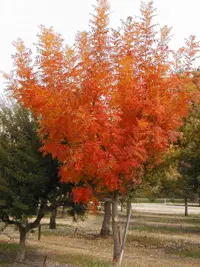
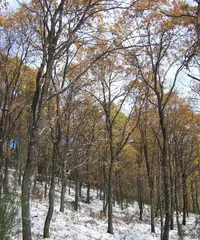
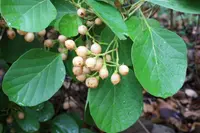
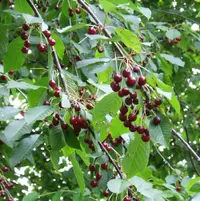
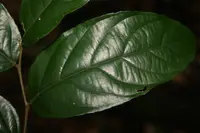
Ampelocera edentula is a broadleaf tree species from tropical to subtropical forests of Central and South America. It typically grows with a straight trunk and a rounded, moderately dense crown. The foliage is simple and green, giving the tree a clean, uniform appearance in the landscape.

In its native habitat it often occurs in mixed forests on well-drained soils, sometimes near rivers or moist lowland areas. It is generally considered a hardy, adaptable species once established, though young plants benefit from protection against prolonged drought or severe cold.

This tree prefers consistent moisture, good drainage, and full sun to light shade. Understanding these natural conditions helps clarify how to care for Ampelocera edentula in gardens or restoration plantings.

Main Plant Requirements

Care Difficulty

Moderate Care

Light Preference

Partial Shade

Water Requirements

Moderate Water

Temperature Preference

Warm Climate

Hardiness Zone

Unknown

Soil Texture

Loamy

Soil pH

Slightly acidic (6.5–7.0)

Soil Drainage

Well-drained

Fertilization

Minimal (feed rarely)

Get Personalized Care Plan

Scan your plant to receive care tips personalized for your specific plant

Available on iOS and Android

How to Care for the Ampelocera edentula

This tree prefers bright, indirect light similar to a light woodland edge.

  • Provide 4–6 hours of filtered or dappled sun daily, with gentle morning sun and protection from harsh afternoon rays where possible.
  • Tolerates partial shade, but very dense shade leads to sparse growth and elongated, weak shoots in Ampelocera edentula.
  • In hotter regions, use taller trees or structures to give light shade during midday in summer to reduce leaf scorch and moisture stress.

This species prefers steadily moist but not waterlogged soil.

  • Water when the top 3–5 cm of soil feel slightly dry, then moisten the root zone deeply rather than giving shallow, frequent splashes.
  • Ensure well-drained soil; prolonged puddling, sour smell, or yellowing leaves suggest overwatering and possible root stress.
  • In hot, dry periods increase checks for soil dryness, while in cool or rainy seasons allow more time between waterings to prevent saturation.

This tree is adapted to mild, frost-free to lightly frosty climates.

  • Optimal growth occurs around 65–80°F (18–27°C), with steady temperatures supporting stronger shoots and root development.
  • Short dips to about 28–30°F (-2 to -1°C) may be tolerated once established, but young plants are more sensitive to freezing conditions.
  • In hot weather above 90°F (32°C), provide soil mulch and adequate moisture to limit heat stress and leaf scorch during dry spells.

This species prefers moderately humid air but usually tolerates typical household levels.

  • Aim for 40–60% humidity to reduce leaf-edge browning and slow moisture loss.
  • Tolerates brief dry indoor air, but persistent humidity below 35% can cause curling, crisp tips, and stalled growth.
  • Increase humidity locally with a nearby tray of water and stones, grouping plants, or a small humidifier rather than misting foliage.

This tree prefers well-structured, moist but freely draining soil that does not stay waterlogged.

  • Use a loamy mix with both mineral content and organic matter, such as 50–60% composted bark or leaf mold blended with native soil or sand.
  • Ensure rapid drainage; water should infiltrate quickly and not pool on the surface or in the planting hole.
  • Aim for slightly acidic to neutral pH around 6.0–7.0, avoiding strongly alkaline substrates that can limit nutrient availability.
  • Improve aeration and structure by incorporating coarse sand or fine gravel where native soil is heavy, and avoid compacted sites.

This species is generally not ideal for long-term container growing due to its eventual tree size and root vigor.

This species is a woodland tree that usually grows well in suitable soil with minimal feeding.

  • In poor or very sandy soils, apply a light layer of well-rotted compost or leaf mold over the root zone in early spring.
  • If using synthetic fertilizer, choose a balanced NPK product at half strength and apply once in late spring.
  • Avoid fertilizing during late fall and winter, when growth slows and roots are less active.

Pruning needs for Ampelocera edentula are modest and mainly structural.

  • Carry out any structural work in late winter or very early spring, before new growth starts.
  • Remove dead, diseased, crossing, or inward-growing branches using clean, sharp bypass pruners or a pruning saw.
  • Thin congested interior shoots to improve light penetration and airflow, keeping the natural form of the canopy.
  • Limit heavy cuts in a single year to reduce stress and unwanted vigorous suckering.

This tree is usually grown in the ground, so focus on careful transplanting rather than frequent repotting.

  • Plan transplanting for late winter or early spring while the tree is dormant and soil is workable.
  • Look for signs such as circling roots or severe root binding if Ampelocera edentula has been held in a nursery container too long.
  • Dig a wide planting hole, loosen outer roots gently, and set the root flare at soil level to reduce transplant shock.
  • Water deeply after planting, apply a 5–8 cm mulch ring, and keep soil evenly moist during the first 1–2 growing seasons.

Propagation of this species is usually done by seed and is considered specialized rather than routine home practice.

  • Collect ripe seed in late summer or fall and clean away any remaining pulp before storage.
  • Provide a cold stratification period, such as several months in moist medium at 34–41°F, to break dormancy.
  • Sow into a free-draining seed mix, keep evenly moist, and maintain cool to mild temperatures with good light.
  • Label batches clearly because germination may be slow and uneven, sometimes taking more than one season.

This deciduous tree is generally cold hardy in its native range and needs only basic winter care outdoors.

  • In colder climates, add a 5–8 cm mulch layer over the root zone to buffer freeze–thaw cycles.
  • Young or recently transplanted trees benefit from windbreaks or trunk guards against sunscald and rodent damage.
  • Container-grown specimens in very cold regions should be moved to a sheltered, unheated but frost-moderated space.

Care Tips

Root zone mulching

Apply a 3–5 cm layer of inert mulch such as shredded bark or leaf mold around the root zone, keeping it 5–8 cm away from the trunk to stabilize soil moisture and protect the fine feeder roots from temperature swings.

Wind exposure management

Install temporary windbreaks such as shade cloth or mesh fencing on exposed sites for the first 2–3 years after planting to reduce wind stress on young branches and limit desiccation of foliage.

Structured formative pruning

In late winter, selectively shorten or remove competing leaders and steep, narrow-angled branches to develop a single strong central leader and wide branch angles that support long-term structural stability.

Trunk and bark protection

Use a breathable tree guard or light-colored trunk wrap on young trees in full sun to reduce sunscald and mechanical damage, removing or loosening it each year to prevent girdling.

Targeted root-zone monitoring

Use a narrow soil probe or trowel to check moisture 15–20 cm deep at the dripline in several spots around the tree before irrigating, which helps avoid chronic overwatering while still supporting healthy growth when caring for Ampelocera edentula.

Common Pests and Diseases

Leaf-spotting fungi

This disease causes small to medium brown or dark spots on leaves that may merge into larger necrotic patches, especially on plants in humid, shaded sites. Symptoms include premature yellowing and drop of older leaves on young trees or saplings.

Solution

Remove and discard heavily spotted fallen leaves to reduce fungal spores, and avoid overhead watering so foliage dries quickly. Improve light and air circulation around young plants; if spotting is extensive on nursery or landscape trees, a copper-based fungicide labeled for broadleaf trees can be used in early spring as a preventative, following local regulations and label directions.

Caterpillar defoliators

These insects feed on the foliage, chewing irregular holes or stripping leaves, which can weaken young trees if defoliation is repeated. Symptoms include skeletonized leaves and frass (droppings) on lower branches or the ground.

Solution

Hand-pick visible caterpillars from reachable branches and prune out small clusters if damage is localized. For heavier infestations on young trees, a targeted biological product containing Bacillus thuringiensis (Bt) applied to the foliage in the evening can reduce feeding while limiting impact on beneficial insects.

Scale insects

This pest attaches to twigs and branches as small, dome-shaped or flat bumps, sucking sap and potentially causing branch dieback in stressed or newly established trees. Symptoms include sticky honeydew on leaves or beneath the canopy and sooty mold growth on the sugary deposits.

Solution

On lightly infested young trees, gently scrub affected twigs with a soft brush and water, or prune out branches with dense colonies. For larger or persistent infestations, use a horticultural oil spray during the dormant season or early spring to smother overwintering scales, taking care to coat branch surfaces thoroughly.

Wood-boring beetles

These insects tunnel into trunks and larger branches, especially on trees stressed by drought, soil compaction, or mechanical injury. Symptoms include small round or oval exit holes, boring dust at the base, and progressive dieback of upper branches.

Solution

Prune and destroy affected branches with active galleries to remove larvae and reduce spread, making clean cuts back to healthy wood. Reduce tree stress through proper watering, mulching, and avoidance of trunk damage; in high-value trees, consult a certified arborist for possible targeted systemic treatments and monitoring as part of broader Ampelocera edentula care instructions.

Interesting Facts

Neotropical canopy tree

Ampelocera edentula is a tall canopy tree native to humid Neotropical forests, where mature individuals often form part of the upper forest layer and contribute to long-term forest structure.

Elm family relative

This species belongs to the family Ulmaceae, making it a distant relative of elms and zelkovas, and it shares several family traits such as simple alternate leaves and wind-pollinated flowers.

Timber and shade value

In parts of its native range, the tree is locally valued for its moderately hard wood and for the dense shade created by its broad crown in warm lowland landscapes.

FAQs about Ampelocera edentula

This tree grows at a moderate rate. Young plants establish slowly for the first 2–3 years, then put on steadier annual growth. Final size and speed depend on soil fertility, moisture availability, and climate suitability.

Grow Healthy Plants with Botan Care

Keep your plants happy and healthy with plant identification, disease detection, and easy care guidance.

Botan plant care app — identify plants on mobile

Explore More Plants