Anacampseros retusa Care

Anacampseros retusa

About Anacampseros retusa

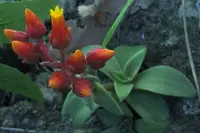
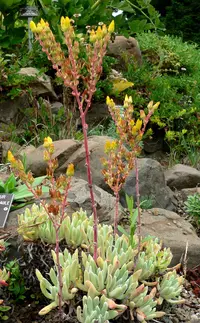
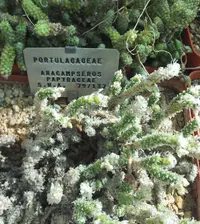
Anacampseros retusa is a small, slow-growing succulent from South Africa, adapted to dry, rocky habitats. It forms low mats or clusters of compact, triangular leaves that store water.

The leaves often show subtle color changes with strong light, and small starry flowers can appear in warm seasons. Its compact size makes it suitable for pots, sunny windowsills, and rock gardens in mild climates.

This species stays small and is generally undemanding, but it needs strong light and careful watering to avoid rot. Understanding how to care for Anacampseros retusa helps keep the plant dense and healthy over time.

Main Plant Requirements

Care Difficulty

Easy Care

Light Preference

Full Sun

Water Requirements

Low Water

Temperature Preference

Tropical / Frost Sensitive

Hardiness Zone

10–11

Soil Texture

Sandy, Loamy, Rocky

Soil pH

Slightly acidic (6.5–7.0), Neutral (7.0)

Soil Drainage

Well-drained

Fertilization

Minimal (feed rarely)

Get Personalized Care Plan

Scan your plant to receive care tips personalized for your specific plant

Available on iOS and Android

How to Care for the Anacampseros retusa

This compact succulent thrives with bright light that mimics high-altitude sun exposure.

  • Provide 4–6 hours of direct morning sun plus bright light for the rest of the day; east or southeast exposure is ideal for Anacampseros retusa.
  • Tolerates light afternoon sun in mild climates, but use filtered light or shade cloth where summer highs are intense to prevent leaf scorch and bleaching.
  • In winter, move pots to the brightest spot available and rotate weekly; pale, stretched leaves indicate insufficient light and need for more sun.

This species is drought-tolerant and prefers infrequent, deep watering with thorough drying in between.

  • Water only when the top 3–5 cm of soil are completely dry; in active growth this may mean every 10–21 days, but always check the soil first.
  • Use a fast-draining mineral-rich mix and a container with large drainage holes to prevent standing water around the roots.
  • Reduce watering sharply in winter, giving just enough to prevent shriveling; soft, translucent, or yellowing leaves signal overwatering, while thin, wrinkled leaves indicate underwatering.

This plant prefers warm, dry conditions and is sensitive to prolonged cold and frost.

  • Aim for 65–80°F (18–27°C) during active growth, with good airflow to reduce fungal issues in humid climates.
  • Protect from temperatures below 40°F (4°C); brief dips to 32°F (0°C) may be survived if completely dry, but frost often damages leaves.
  • Tolerates short heat waves up to 95–100°F (35–38°C) if shaded during the hottest hours and given slightly increased water without leaving soil constantly wet.

This compact succulent prefers fairly dry air and does not need extra humidity.

  • Maintain 30–50% humidity, similar to most heated indoor rooms, without misting.
  • Dry air is well tolerated; problems arise more from excess moisture than from low humidity.
  • If leaves become soft, translucent, or rot at the base, reduce ambient humidity and increase air movement.

This species needs a very fast-draining, mineral-rich substrate to protect its roots from rot.

  • Use a gritty, sandy mix, such as 50–70% inorganic material (pumice, perlite, coarse sand, or small gravel) blended with 30–50% cactus potting mix.
  • Aim for slightly acidic to neutral pH, roughly 6.0–7.0, which suits Anacampseros retusa in containers.
  • Increase aeration by using particles 2–5 mm in size and avoiding fine peat that compacts around the roots.
  • Avoid dense, moisture-retentive garden soil or mixes heavy in clay, which stay wet and restrict oxygen around the roots.

This small succulent is very suitable for container growing due to its compact, shallow root system.

  • Choose a wide, shallow pot to accommodate its spreading rosettes and reduce water-holding depth around the roots.
  • Select unglazed terracotta if extra evaporation is needed, as it helps the mix dry faster between waterings.
  • Ensure the pot has large, unobstructed drainage holes so water exits within seconds rather than pooling at the base.

This compact succulent needs only light feeding to support steady growth without stretching.

  • Use a low-dose balanced NPK liquid fertilizer at 1⁄4–1⁄2 strength during active growth in spring–summer.
  • Feed every 4–6 weeks if growth is modest; skip applications when light is low or plant is stressed.
  • Avoid rich compost or heavy slow-release pellets that hold moisture around the roots.
  • Stop feeding in fall–winter, when Anacampseros retusa growth slows and nutrient demand is minimal.

Pruning needs for Anacampseros retusa are minimal and mainly hygiene focused.

  • Best time for light pruning is late spring or early summer, during active growth.
  • Remove dead, shriveled, or damaged leaves with sterile scissors or by gently twisting them off.
  • Thin very crowded rosettes only if airflow is poor, to reduce rot risk and slightly open the shape.
  • Avoid heavy cutting of healthy stems, as this slow-growing succulent stores reserves in its tissues.

This succulent prefers a snug pot and infrequent disturbance, but occasional repotting maintains root health.

  • Check for tight roots circling the pot, poor drainage, or very slow growth as signs it needs repotting.
  • Repot every 2–3 years in late spring, using a shallow container with large drainage holes.
  • Use a gritty cactus mix and handle roots gently, keeping the old root ball mostly intact to limit shock.
  • After repotting Anacampseros retusa, keep soil slightly drier for 7–10 days so cut or disturbed roots can heal.

Propagation is commonly done from offsets and stem cuttings to expand a small cluster.

  • Separate small offsets in late spring–summer, when growth and rooting are most reliable.
  • Let cut surfaces callus for 1–2 days, then place on barely moist, gritty cactus mix.
  • Provide bright, indirect light and warm temperatures around 70–80°F to encourage rooting.
  • Seed sowing is possible but slower; use a shallow tray, fine mineral mix, and very light moisture.

This species is not frost tolerant and needs protection in regions with freezing winters.

  • Keep temperatures above 40°F; prolonged exposure near or below 32°F can damage tissues.
  • Move containers indoors to a bright, cool, and dry spot before the first frost.
  • Reduce watering sharply in winter, allowing soil to dry completely between light sips.
  • Avoid cold drafts and damp, dark locations that increase the risk of rot.

Care Tips

Encourage Compact Rosettes

Rotate the pot a quarter turn every 1–2 weeks so all sides receive similar light intensity, which keeps rosettes compact and reduces weak, stretched growth on the shaded side.

Controlled Summer Hardening

If moving the plant outdoors for summer, introduce it to direct sun over 10–14 days by starting in bright shade and gradually increasing morning sun exposure to build leaf tolerance and prevent scorch.

Strategic Cluster Division

When rosettes fill the pot, divide only actively growing offsets with visible roots in late spring, replant them in small, individual pots, and keep them slightly drier for 7–10 days to limit transplant shock.

Targeted Root Inspection

Every 1–2 years, unpot the plant at the start of its active season, gently loosen the root ball, trim any black or mushy roots with sterilized scissors, then repot in fresh, sharply draining mix to maintain root health.

Dormancy-Light Adjustment

During short winter days, place the plant as close as practical to the brightest window or under a small grow light for 8–10 hours to prevent excessive stretching while it slows growth in cooler conditions, which supports long-term Anacampseros retusa care.

Common Pests and Diseases

Mealybugs

This pest feeds on sap in leaf rosettes and stem joints, often appearing as white cottony clusters in the tight crevices of the plant. Symptoms include weak growth, honeydew, and occasional sooty mold on nearby surfaces.

Solution

Isolate the plant, then dab visible insects with cotton swabs dipped in 70% isopropyl alcohol, taking care to reach between the compact leaves. Repeat weekly until no new insects appear, and improve light and airflow to support plant vigor as part of overall Anacampseros retusa care instructions.

Aphids

These insects gather on tender new growth and flower stems, sucking sap and causing distortion, sticky honeydew, and a general decline in vigor. Symptoms include curling leaves and stunted shoots, especially on stressed plants kept too soft or shaded.

Solution

Rinse the plant gently but thoroughly with a strong stream of water to dislodge colonies, then treat remaining insects with an insecticidal soap or diluted neem oil spray applied to all surfaces. Reduce excess nitrogen fertilization and maintain bright light to make the plant less attractive to aphids.

Spider mites

This pest thrives in hot, dry indoor conditions and can colonize the undersides of the small leaves, leading to fine webbing and a dusty appearance. Symptoms include tiny pale speckles, dull foliage color, and slow decline over time.

Solution

Shower the plant with lukewarm water to remove mites and webbing, then apply an appropriate miticide or neem oil spray to both upper and lower leaf surfaces, repeating as directed. Increasing ambient humidity slightly and avoiding prolonged heat stress can reduce future outbreaks without overwatering the succulent soil.

Fungal leaf spots

This disease develops when leaves stay damp and light is low, leading to small brown or black spots that may merge and cause localized tissue collapse. Symptoms include discolored patches on leaves closest to the soil surface or where water collects in the rosettes.

Solution

Remove and discard affected leaves, then adjust watering so foliage dries quickly and the potting mix is allowed to dry between waterings. Improve air circulation, avoid overhead watering, and, in persistent cases, use a succulent-safe fungicide according to the label.

Interesting Facts

Dwarf rosette habit

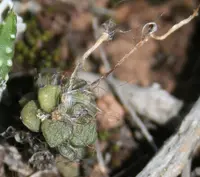
Anacampseros retusa forms very small, tight rosettes only a few millimeters across, with each leaf sharply triangular and thickened to store water in its native South African habitats.

Shy daytime flowers

The pale pink to white flowers usually open only in the afternoon on sunny days and often close again within a few hours, a behavior that reduces water loss and protects pollen.

Fine sand camouflage

In habitat this species often grows partly buried in gritty soil, with only the leaf tips exposed so the plant blends into surrounding sand and gravel, helping it avoid herbivores and extreme heat.

Botan icon

Did you know?

In cultivation and in habitat, individual clumps of Anacampseros retusa can persist for many years in the same small crevice or pot, showing notable longevity for such a tiny succulent species when kept dry, bright, and cool in winter.

FAQs about Anacampseros retusa

This species usually flowers in warm months when mature and unstressed. Lack of blooms often relates to insufficient light, cool temperatures, or recent repotting. Stable warmth, strong light, and time to establish typically restore flowering.

Grow Healthy Plants with Botan Care

Keep your plants happy and healthy with plant identification, disease detection, and easy care guidance.

Botan plant care app — identify plants on mobile

Explore More Plants