Anacampseros subnuda Care

Anacampseros subnuda

About Anacampseros subnuda

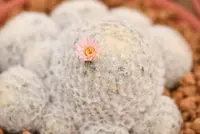
Anacampseros subnuda is a small, clustering succulent from arid regions of southern Africa. It forms low mats or cushions of compact rosettes with fleshy, often pointed leaves. Older clumps may produce short flower stalks bearing delicate, star-shaped blooms in suitable conditions.

This species grows slowly and stays compact, which makes it suitable for containers and indoor windowsill collections. It prefers bright light, very sharp drainage, and careful watering that allows the soil to dry between waterings. Once the basics are understood, it is straightforward to care for Anacampseros subnuda, provided excess moisture and poor airflow are avoided.

Main Plant Requirements

Care Difficulty

Easy Care

Light Preference

Full Sun

Water Requirements

Low Water

Temperature Preference

Tropical / Frost Sensitive

Hardiness Zone

10–11

Soil Texture

Sandy, Loamy, Rocky

Soil pH

Slightly acidic (6.5–7.0), Neutral (7.0)

Soil Drainage

Well-drained

Fertilization

Minimal (feed rarely)

Get Personalized Care Plan

Scan your plant to receive care tips personalized for your specific plant

Available on iOS and Android

How to Care for the Anacampseros subnuda

This compact succulent prefers bright, dry conditions with strong but not scorching sun exposure.

  • Aim for 4–6 hours of direct morning sun plus bright indirect light for the rest of the day to keep Anacampseros subnuda compact and colorful.
  • Provide light afternoon shade in hot climates, as intense sun from midday to late afternoon can cause leaf scorch or pale, bleached patches.
  • In winter, move plants to the brightest spot available and avoid deep shade, which leads to stretched, weak growth and dull foliage.

This species stores moisture in its leaves and needs infrequent but thorough watering.

  • Water only when the top 3–5 cm of soil are completely dry, then soak the root zone once and let excess water drain away fully.
  • Use very well-draining, gritty soil; persistent dampness, soft translucent leaves, and a sour smell indicate overwatering and possible root rot.
  • In spring and summer, drying may happen faster, while in cooler or low-light periods watering intervals lengthen; wrinkled, limp leaves signal that it is time to water.

This succulent prefers warm, dry air and does not tolerate frost.

  • Ideal growing temperatures are around 65–80°F (18–27°C), with slightly cooler nights helping maintain compact rosettes and healthy coloration.
  • Protect the plant from temperatures below 40°F (4°C); light frost can scar leaves, while hard freezes often kill roots and stems.
  • In hot spells above 90°F (32°C), increase airflow, give light afternoon shade, and avoid watering during the hottest part of the day to reduce stress.

This species thrives in dry indoor air and rarely needs special humidity attention.

  • Ideal humidity range is 30–50%, similar to a typical heated home.
  • Leaves stay compact and firm even in dry air, so lack of humidity is seldom harmful.
  • If leaf tips shrivel despite correct light and watering, consider slightly raising humidity by grouping succulents together away from strong drafts.

This succulent needs a very fast-draining, gritty substrate to protect its shallow roots from rot.

  • Use a mix of roughly 50–70% mineral grit (pumice, perlite, coarse sand) with 30–50% lean cactus potting soil for Anacampseros subnuda.
  • Aim for a loose, open texture where water runs through in seconds and the surface dries within 1–2 days.
  • Slightly acidic to neutral pH around 6.0–7.0 is suitable and usually provided by standard cactus blends.
  • Avoid fine, compacted mixes, peat-heavy bagged soil, or any medium that stays wet and sticky, as this restricts aeration and encourages root diseases.

This compact species is very suitable for container growing.

  • Choose a shallow, wide pot that lets the rosette cluster spread horizontally without crowding the root zone.
  • Select unglazed terracotta in humid climates to increase evaporation and keep the substrate drier between waterings.
  • Place the pot where it cannot be knocked or tipped, as the plant’s low, spreading habit can make trailing sections vulnerable to breakage.

This compact succulent benefits from modest feeding during active growth but is sensitive to excess salts.

  • Use a diluted balanced NPK succulent fertilizer at 1/4–1/2 strength every 4–6 weeks in spring–summer for Anacampseros subnuda.
  • Apply only to moist soil, never to bone-dry mix, to limit root burn risk.
  • Skip compost or rich organic feeds that hold excess moisture around the roots.
  • Stop feeding in fall–winter when growth slows, especially in cooler indoor conditions.

This species needs minimal pruning, mainly to maintain a tidy, compact rosette mat.

  • In late spring or early summer, remove shriveled, dead, or mushy leaves by gently twisting them off at the base.
  • Trim any etiolated, stretched stems to improve shape and encourage denser growth.
  • Use small clean scissors or snips and disinfect blades before and after pruning.
  • Discard diseased material and avoid cutting into firm, healthy rosettes of Anacampseros subnuda.

This slow-growing succulent prefers infrequent repotting and does best slightly root-bound in a shallow pot.

  • Check every 2–3 years; repot only when roots circle the pot, mix dries extremely fast, or growth slows.
  • Repot in late spring using a small pot with drainage and a gritty cactus mix to reduce rot risk.
  • Lift the plant gently, tease roots lightly, and remove old soggy soil without breaking healthy roots.
  • After moving Anacampseros subnuda, keep in bright shade and water lightly after 3–5 days to limit transplant shock.

This plant is commonly propagated from offsets and leaf cuttings under warm, bright, and dry-leaning conditions.

  • In late spring–summer, separate small offsets with a clean knife, keeping a few roots attached.
  • Allow offsets or leaf cuttings to callus for 1–3 days before placing on barely moist, gritty mix.
  • Provide bright indirect light, warmth around 70–80°F, and very light watering until roots form.
  • For seeds, sow on the surface of well-drained mix, keep slightly moist, and maintain gentle warmth.

This succulent is not frost hardy and needs careful handling in regions with cold winters.

  • Move containers indoors before temperatures drop near 40°F, giving bright light and good air flow.
  • Keep Anacampseros subnuda almost dry in winter, watering sparingly only when leaves slightly soften.
  • Avoid cold windowsills and drafts; maintain 50–60°F for stable foliage and roots.
  • No mulch is needed in pots, but ensure the mix stays sharply drained and never waterlogged.

Care Tips

Shallow pot choice

Use a wide, shallow pot with ample drainage holes so the plant can form a dense mat of rosettes without staying wet at the root zone.

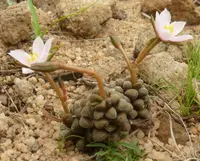
Top-dress with grit

Apply a 0.5–1 cm layer of coarse horticultural grit or pumice on the soil surface to keep leaf bases dry, reduce rot, and keep the rosettes cleaner after watering.

Controlled clump division

Every 2–3 years, divide congested clumps at the end of the active growing season, separating offsets with clean tools to improve air movement between rosettes and reduce fungal issues.

Seasonal light shifting

Move containers slightly farther from intense windows or use a sheer curtain in midsummer, then return them closer to the glass in winter to balance compact growth with reduced risk of leaf scorch when caring for Anacampseros subnuda.

Targeted pest checks

Inspect the tight leaf rosettes and stem bases monthly with a hand lens, and if mealybugs or scale appear, remove affected leaves and dab pests with isopropyl alcohol on a cotton swab before they spread through the colony.

Common Pests and Diseases

Mealybugs

This pest often hides in leaf axils and between clustered rosettes, sucking sap and causing slow growth and pale, wrinkled leaves.

Solution

Isolate the plant, then dab visible insects with cotton swabs dipped in 70% isopropyl alcohol and repeat weekly until no new insects appear; for tight rosettes, use a soft brush to reach crevices and improve light and airflow so the plant stays compact and less attractive to pests.

Root mealybugs

These insects live in the potting mix and on roots, leading to stunted growth, poor water uptake, and sudden decline despite normal watering.

Solution

Unpot the plant, wash off all soil, trim heavily infested roots, and soak the root zone in a systemic insecticide solution labeled for root mealybugs; repot into fresh, very well-draining succulent mix in a clean container and avoid reusing contaminated soil.

Spider mites

These insects prefer the dry, bright conditions of compact succulents and can cause fine speckling, dull leaves, and thin webbing between leaves and stems.

Solution

Rinse the plant thoroughly with a gentle but firm stream of water, then treat the foliage with a miticide or horticultural soap labeled for spider mites; maintain slightly higher local humidity and good air circulation to make the plant less favorable for reinfestation.

Fungal leaf spots

This disease appears as small brown, tan, or dark purple spots on leaves, often developing after water sits on foliage in warm, still air.

Solution

Remove and discard affected leaves, keep water off the rosettes, and increase airflow around the plant; if spotting continues, use a sulfur-based or copper-based fungicide labeled for ornamental succulents and adjust watering so the soil dries quickly between waterings, which supports stable Anacampseros subnuda care.

Interesting Facts

Karoo winter specialist

This species is native to the semi-arid winter-rainfall regions of South Africa’s Western and Northern Cape, where it experiences cool, wet winters and hot, very dry summers.

Distinctly hairless leaves

Unlike some related Anacampseros with hairy foliage, this plant has smooth, glabrous leaves, which is reflected in the name subnuda, meaning almost naked.

Compact cushion growth

Its short stems and tightly packed, spiraled leaves form low cushions or mats close to the ground, an adaptation that helps reduce water loss and buffer temperature swings in its rocky habitat.

FAQs about Anacampseros subnuda

Growth is slow to moderate. Plants usually add only a few centimeters per year, forming small clumps over several seasons. Growth speed depends mainly on light intensity, temperature stability, and how consistently the soil is allowed to dry between waterings.

Grow Healthy Plants with Botan Care

Keep your plants happy and healthy with plant identification, disease detection, and easy care guidance.

Botan plant care app — identify plants on mobile

Explore More Plants