Green Noors Care (Euphorbia caerulescens)

Green Noors

About Green Noors

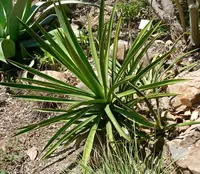
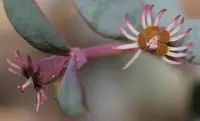
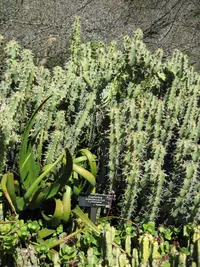
Green Noors (Euphorbia caerulescens) is a columnar succulent shrub with multiple upright, blue-green stems marked by shallow ridges and small spines. It forms dense, sculptural clumps that give a strong architectural look in containers or dry gardens.

This species is native to arid regions of South Africa, where it is adapted to strong sun, high temperatures, and low, irregular rainfall. Its drought tolerance and slow, upright growth habit make it relatively easy to manage for growers who understand how to care for Green Noors.

It generally prefers bright light, minimal moisture, and very well-drained, gritty soil to avoid root and stem rot in cultivation.

Main Plant Requirements

Care Difficulty

Easy Care

Light Preference

Full Sun

Water Requirements

Low Water

Temperature Preference

Tropical / Frost Sensitive

Hardiness Zone

10–11

Soil Texture

Sandy, Loamy, Rocky

Soil pH

Slightly acidic (6.5–7.0), Neutral (7.0)

Soil Drainage

Well-drained

Fertilization

Minimal (feed rarely)

Get Personalized Care Plan

Scan your plant to receive care tips personalized for your specific plant

Available on iOS and Android

How to Care for the Green Noors

This succulent prefers strong light similar to its native arid habitats.

  • Provide 6–8 hours of direct sun daily; full sun to light, open shade is ideal, especially in dry climates.
  • In very hot regions, give morning sun with light afternoon shade to reduce scorch on the blue-green ribs of Green Noors.
  • If stems elongate, lean, or lose blue color, light is too low; move to a brighter, unobstructed south- or west-facing exposure.

This drought-adapted Euphorbia needs infrequent but thorough watering.

  • Allow the soil to dry completely between waterings; at least the top 5–8 cm should feel dry before adding water.
  • During active growth in spring–summer, water deeply, then drain fully; in fall–winter, reduce watering to light, occasional drinks only.
  • Choose very fast-draining, gritty soil; soft, yellowing, or mushy stems signal overwatering, while wrinkling and shriveling indicate the plant is too dry.

This species prefers warm, dry conditions and reacts poorly to frost.

  • Aim for 70–90°F (21–32°C) for best growth, with good air movement to mimic its native climate.
  • Protect Euphorbia caerulescens from temperatures below 40°F (4°C); prolonged exposure near or below freezing can cause tissue damage or death.
  • The plant tolerates short heat spikes up to 100°F (38°C) if soil is dry and roots are shaded, but sudden cold snaps and damp soil greatly increase rot risk.

This species handles typical indoor humidity well and rarely needs special adjustments.

  • Ideal humidity is 30–50%, similar to most heated homes, without extra humidification.
  • Dry air is usually tolerated, but wrinkling or softening of stems can signal combined drought and low humidity stress.
  • If the air is extremely dry and stems shrivel despite careful watering, place the pot away from heating vents and group it near other plants to slightly raise local humidity.

Use a very fast-draining, mineral-based mix to prevent root and stem rot.

  • Aim for a sandy or gritty structure with 60–80% inorganic material such as pumice, coarse perlite, or 3–5 mm gravel for strong drainage and aeration.
  • Blend the mineral fraction with 20–40% lean cactus substrate or sieved potting mix to give Euphorbia caerulescens enough anchoring and modest nutrient retention.
  • Keep pH slightly acidic to neutral (6.0–7.2), avoiding lime-heavy mixes unless testing confirms they stay within this range.
  • Avoid dense, peat-heavy or clayey soil that stays wet for more than 1–2 days, as this quickly promotes root rot and fungal problems.

This species is very suitable for container growing due to its slow, upright, drought-tolerant habit.

  • Choose a heavy terracotta or concrete pot to counterbalance the tall, columnar stems and reduce tipping in outdoor wind.
  • Select a container that is deeper than it is wide to support the vertical root system and keep the plant stable as stems elongate.
  • Use a pot with multiple or large drainage holes and elevate it on pot feet so water clears quickly and does not pool under the base.

This drought-tolerant succulent needs light feeding, as Green Noors evolved in nutrient-poor soils.

  • Use a balanced, low-nitrogen cactus fertilizer (around 5-10-10) or diluted general-purpose liquid feed.
  • Apply at half strength every 4–6 weeks during spring–summer active growth only.
  • Do not fertilize in late fall–winter when growth slows or stops.
  • Flush the pot with plain water occasionally to reduce salt buildup in the soil.

Pruning Euphorbia caerulescens is mainly done for safety, size control, and removing damaged growth.

  • Carry out light pruning in late spring or early summer once active growth is visible.
  • Remove dead, diseased, rubbing, or badly leaning stems close to the base with clean, sharp pruners.
  • Shape the clump by taking out entire stems rather than tipping them back, which keeps a natural columnar form.
  • Wear gloves and eye protection, and avoid contact with the irritating milky sap when cutting.

Container-grown plants need infrequent repotting, focusing on root health and good drainage.

  • Check for roots circling the pot, protruding from drainage holes, or noticeably slowed growth as signs to repot.
  • Plan repotting or transplanting in late spring, about every 3–4 years, when temperatures are consistently warm.
  • Choose a pot only 2–5 cm wider, using a gritty cactus mix to reduce waterlogging and root rot risk.
  • Handle the root ball gently, keep roots at the same depth, water lightly once, then allow the soil to dry partially before the next watering.

This species is most often propagated from stem cuttings rather than seed in home collections.

  • Take 8–15 cm stem cuttings in late spring–summer, using a sterile, sharp knife or pruners.
  • Allow cut ends to stop bleeding and callus for several days in a dry, shaded spot.
  • Plant callused cuttings in a gritty, well-drained cactus mix and keep barely moist, not wet.
  • Maintain bright, indirect light and warm temperatures around 70–80°F to encourage rooting over several weeks.

This succulent is sensitive to prolonged cold and must stay above freezing, especially in containers.

  • Keep temperatures ideally above 40°F and avoid any exposure below 32°F, which can scar or kill stems.
  • Move potted plants indoors or to an unheated but frost-free, very bright space before first frost.
  • In the ground, use a very free-draining, raised bed and a light gravel mulch to keep the root zone dry.
  • Reduce watering sharply in winter, only giving small amounts when stems begin to slightly soften.

Care Tips

Safe handling routine

Wear gloves and long sleeves when pruning or repotting, keep paper towels ready to blot the milky sap immediately, and wash tools and skin contact areas with soapy water to reduce irritation risk.

Segment support stakes

As stems become tall and segmented, insert slim, inert stakes (plastic or sealed bamboo) close to the base and loosely secure sections with soft ties to prevent top-heavy leaning or breakage.

Rot-prevention potting

When repotting, place a 1–2 in layer of coarse mineral material such as pumice or gravel at the bottom and slightly tilt the plant in the pot so excess water drains quickly away from the root crown.

Sun acclimation steps

After purchase or moving locations, increase light levels over 10–14 days by gradually shifting the pot closer to the window or outdoor sun, which helps avoid stem scorch and maintains the blue waxy bloom.

Winter rest adjustments

In cooler months, reduce handling, avoid fertilizing, and keep the plant slightly cooler and very dry, as this dormant-style rest period supports long-term structure and simplifies caring for Green Noors.

Common Pests and Diseases

Mealybugs

This pest often hides in rib grooves and around areoles, sucking sap and causing pale, stunted segments and sticky honeydew that can lead to sooty mold.

Solution

Isolate the plant, then dab visible insects with cotton swabs dipped in 70% isopropyl alcohol and repeat weekly; for larger infestations, apply a systemic insecticide labeled for succulents and improve light and airflow to reduce reinfestation risk.

Scale insects

These insects appear as hard, brown or gray bumps along stems and at base joints, leading to yellowing, weakened growth, and occasional stem deformities.

Solution

Gently scrape or peel off individual scales with a soft tool, then wash stems with a mild soapy water solution; follow up with a horticultural oil or systemic product suitable for euphorbias and monitor new growth closely for several weeks.

Spider mites

This pest thrives in hot, dry indoor air and causes fine speckling, dull bluish stems, and very fine webbing in the rib angles.

Solution

Rinse stems thoroughly with a firm stream of lukewarm water, then increase humidity slightly around the plant without wetting the soil and use a miticide or insecticidal soap labeled for mites, repeating applications as directed until new growth appears clean.

Corky stem canker

This disease causes localized sunken, brown, corky patches on stems that may crack and slightly distort column segments over time.

Solution

Cut out small affected areas with a sterile blade back to healthy green tissue, allow the wound to dry in bright, dry air, and adjust watering to stay on the dry side; discard severely affected plants to prevent spread and avoid overhead watering that keeps stems wet.

Stem tip rot

Symptoms include soft, dark, collapsing tissue at the growing tips, usually starting after cold damage or prolonged moisture on the stem surface.

Solution

Immediately cut off all soft or darkened tissue with a sterile knife into firm, healthy green tissue, dust or dab the cut with sulfur or a copper-based fungicide, then keep the plant warm, dry, and in bright light so the wound can callus before resuming light watering.

Interesting Facts

Karoo cliff specialist

This species is naturally restricted to arid rocky slopes and cliffs in South Africa’s Eastern and Western Cape, where its columnar clumps help stabilize shallow, stony soils against erosion.

Stem-made photosynthesis

The blue-green, 4–6-angled stems carry out most of the photosynthesis because leaves are reduced and short-lived, an adaptation that limits water loss in its semi-desert habitat.

Milky latex defense

Like many spurges, it produces a white, sticky latex that is irritating and potentially toxic if it contacts skin or eyes, which helps deter herbivores in its native range.

Botan icon

Did you know?

In habitat, mature plants can form dense, rounded colonies several meters across, creating distinctive bluish clumps on Karoo hillsides that are visible from long distances and provide structural shelter for small animals and insects in an otherwise open, sparsely vegetated landscape.

FAQs about Green Noors

This succulent grows slowly, usually adding only a few cm in height per year. Stems form upright, columnar clumps over time. Growth speed increases slightly with warm temperatures, high light, and consistent but sparse watering suited to Euphorbia caerulescens care.

Grow Healthy Plants with Botan Care

Keep your plants happy and healthy with plant identification, disease detection, and easy care guidance.

Botan plant care app — identify plants on mobile

Explore More Plants