Bristlecup Sandmat Care (Euphorbia chaetocalyx)

Bristlecup Sandmat

About Bristlecup Sandmat

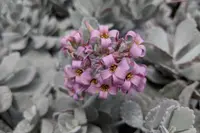
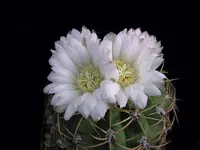
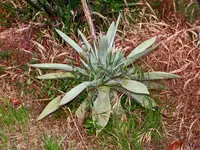
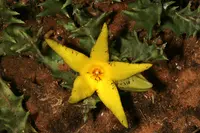
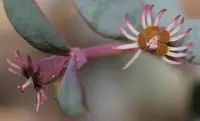
Bristlecup sandmat (Euphorbia chaetocalyx) is a small, low-growing perennial in the spurge family, known for its compact, often mat-forming habit. It typically carries narrow leaves and small, inconspicuous flower structures framed by colorful bracts, giving a fine-textured look at ground level.

This species is native to arid and semi-arid regions, where it is adapted to intense light and thin, well-drained soils. Its drought tolerance and modest growth rate make it relatively low-maintenance once established, though it dislikes waterlogged conditions. Understanding how to care for Bristlecup Sandmat starts with replicating its bright, dry, open habitat.

Main Plant Requirements

Care Difficulty

Moderate Care

Light Preference

Full Sun

Water Requirements

Low Water

Temperature Preference

Warm Climate

Hardiness Zone

9–11

Soil Texture

Sandy, Loamy, Rocky

Soil pH

Slightly acidic (6.5–7.0), Neutral (7.0)

Soil Drainage

Well-drained

Fertilization

Minimal (feed rarely)

Get Personalized Care Plan

Scan your plant to receive care tips personalized for your specific plant

Available on iOS and Android

How to Care for the Bristlecup Sandmat

Euphorbia chaetocalyx prefers strong, direct light but benefits from some protection in very hot climates.

  • Provide 6–8 hours of full sun daily, ideally with gentle morning sun and some light afternoon shade in hotter regions.
  • The plant tolerates light partial shade, but stems may stretch and flowering can decrease if it receives less than 4 hours of direct sun.
  • In summer, monitor for leaf scorch in reflected heat areas; in winter, ensure Bristlecup Sandmat is not shaded by taller plants or structures.

This drought-tolerant species needs infrequent, careful watering to avoid root problems.

  • Allow the top 3–5 cm of soil to dry completely before watering, then soak the root zone and let excess water drain away fully.
  • In spring and summer, water only when soil is dry and stems begin to look slightly less turgid; in fall and winter, reduce watering to rare, deep soakings.
  • Watch for yellowing, soft, or mushy stems as a sign of overwatering in Euphorbia chaetocalyx, and shriveling or wrinkling as a sign of underwatering.

This species prefers warm, arid conditions and does not tolerate hard frost well.

  • Aim for 70–85°F (21–29°C) during active growth, as this range supports healthy photosynthesis and root activity.
  • Protect the plant when temperatures drop near 32°F (0°C); short, light frosts may cause tip damage, while sustained freezes can kill roots and stems.
  • In hot climates, it tolerates 95–100°F (35–38°C) if soil is very well drained and nights cool below 75°F (24°C), but avoid reflected heat from walls or pavement.

This species handles typical indoor humidity well and does not need special humidity management.

This species prefers fast-draining, mineral-rich soil that mimics arid, rocky habitats.

  • Use a gritty mix of cactus potting medium with 30–50% extra coarse sand or pumice for sharp drainage.
  • Aim for slightly acidic to neutral pH around 6.0–7.2, avoiding highly acidic or strongly alkaline mixes.
  • Keep organic matter low; too much peat or compost holds excess moisture and encourages root rot in Euphorbia chaetocalyx.
  • Improve aeration by including large-grain components (2–5 mm) and avoiding dense, fine-textured garden soil.

This species is well suited to container growing in dry, bright locations.

  • Choose a wide, shallow pot to accommodate fibrous roots and prevent water from lingering in deep soil columns.
  • Select unglazed terracotta if extra evaporation is needed in humid or cool climates to reduce the risk of waterlogged roots.
  • Secure the container or use a heavier pot if Bristlecup Sandmat becomes top-heavy, to prevent tipping in outdoor wind exposure.

This drought-adapted species needs only light feeding to support steady growth in cultivation.

  • Use a balanced, low-strength liquid or slow-release fertilizer formulated for cacti and succulents, diluted to 25–50% of label rate.
  • Feed once every 4–6 weeks during the active growing season, typically spring through early fall.
  • Skip fertilizer in winter dormancy to avoid weak, elongated growth and root stress.
  • In very lean, sandy soils, a thin topdressing of compost in spring can support healthy Bristlecup Sandmat growth.

Pruning Euphorbia chaetocalyx is mainly done to maintain form and remove damaged growth rather than to control size.

  • Schedule light pruning in late winter or early spring before strong new growth begins.
  • Remove dead, damaged, or crossing stems with clean, sharp pruners to reduce disease entry points.
  • Thin crowded areas slightly to improve airflow and light penetration, helping stems stay compact.
  • Wear gloves and avoid skin contact with the milky sap; allow cut surfaces to dry and callus naturally.

This species prefers stable conditions and only occasional repotting or transplanting when clearly rootbound.

  • Check for roots circling the pot, emerging from drainage holes, or slowed growth as signs it is time to move Euphorbia chaetocalyx.
  • Plan repotting or transplanting in late spring, using a sharply drained cactus or succulent mix or gritty, sandy soil outdoors.
  • Shift only 1 pot size up every 2–3 years to limit excess moisture retention around the roots.
  • Minimize root disturbance, keep the original soil around the root ball, then water lightly and shade for a few days to reduce stress.

Propagation is usually done from stem cuttings or seeds under warm, dry, bright conditions.

  • Take short, firm stem cuttings in late spring or early summer and allow the latex-sapping wounds to dry and callus for several days.
  • Insert callused cuttings into a sterile, gritty mix; keep slightly moist, not wet, and provide bright, indirect light for rooting.
  • Sow seeds in a fast-draining medium, barely covered, at 70–80°F with good air circulation to discourage damping-off.
  • Label and space material carefully, since young plants are small and easy to disturb until roots are well established.

In mild climates this species needs little winter care, but extra protection is useful in colder or wetter regions.

  • Euphorbia chaetocalyx is not very frost tolerant; sustained temperatures below about 25°F can damage stems and roots.
  • Apply a light, dry mulch around the root zone in fall, avoiding direct contact with stems to reduce rot risk.
  • Move container plants under cover or indoors to a bright, cool, frost-free spot with very limited watering during winter.

Care Tips

Milky sap handling

When pruning or breaking stems, avoid skin contact with the white latex sap, let cut surfaces dry in open air for several hours, and never let sap reach eyes or mouth.

Root zone control

Grow this plant in a wide, shallow container or bed with a defined gravel edge so its spreading root system stays contained and does not encroach on neighboring plants.

Drainage layer upgrade

In pots, add a 1–2 in layer of coarse mineral material such as pumice or gravel at the bottom to reduce the risk of water pooling around the roots after heavy watering.

Seasonal rest protection

During cool, dry rest periods, sharply reduce handling and avoid repotting or dividing, as disturbance at this time can delay new-season growth and increase stress.

Targeted pest checks

Inspect the tight stem bases and undersides of new shoots every few weeks for mealybugs or scale, using a cotton swab with isopropyl alcohol to spot-treat infestations early when caring for Bristlecup Sandmat.

Common Pests and Diseases

Mealybugs

This pest appears as small white cottony clusters on stems, leaf joints, and around the base of the plant, often causing stunted or distorted growth. Symptoms include sticky honeydew and sooty mold on nearby surfaces.

Solution

Isolate the plant, then dab visible insects with cotton swabs dipped in 70% isopropyl alcohol and repeat weekly until no new clusters appear. For larger infestations, rinse the plant thoroughly with a strong but controlled stream of lukewarm water, allow it to dry, and then apply a horticultural soap or neem oil spray labeled for succulents, ensuring good airflow and reduced watering during treatment.

Spider mites

These insects are tiny and often difficult to see, but cause fine webbing, pale stippling, and a dry, rough look on stems and leaves, especially in hot, dry indoor conditions. Symptoms include slow decline and a dull, dusty appearance on the plant surface.

Solution

Increase humidity around the plant temporarily, then wash the entire plant under a gentle but firm stream of water to remove mites and webbing. After drying, spray with insecticidal soap or neem oil, repeating every 5–7 days for several cycles while improving airflow and avoiding excessively hot, dry spots, which is key in Euphorbia chaetocalyx care.

Scale insects

This pest forms small, hard, brown or gray bumps attached to stems and sometimes leaf bases, drawing sap and weakening the plant over time. Symptoms include yellowing, reduced vigor, and sticky honeydew on nearby surfaces.

Solution

Manually remove individual scales using a soft brush or cotton swab dipped in 70% isopropyl alcohol, taking care not to damage the succulent tissue. Once the majority are removed, treat the plant with a horticultural oil or insecticidal soap, ensuring thorough coverage and repeating treatments every 7–10 days while monitoring new growth closely.

Powdery mildew

This disease shows as a white, powdery coating on stems and any exposed leaf surfaces, often appearing in conditions with poor airflow and fluctuating humidity. Symptoms include distorted new growth and a dull, unhealthy look to the plant.

Solution

Improve air circulation, reduce overhead watering, and avoid crowding plants to keep surfaces dry between waterings. Remove heavily affected parts if practical and apply a sulfur-based or potassium bicarbonate fungicide suitable for succulents, treating all plant surfaces and repeating according to the label until new growth remains clean.

Corking and stem lesions

Symptoms include brown, corky, or sunken lesions on stems that can develop where tissue has been wounded, sunburned, or exposed to repeated moisture stress. This damage can make tissue more vulnerable to opportunistic fungal or bacterial entry.

Solution

Protect the plant from sudden intense sun and avoid repeated wetting of stems, especially in cool conditions. Remove severely damaged or softened tissue with a sterile blade, allow cuts to dry and callus fully in a bright, dry place, then adjust watering to deep but infrequent cycles in a fast-draining soil mix to prevent further stress and infection.

Interesting Facts

Endemic Andean specialist

This species is native to high-altitude regions of the central Andes, where it grows on rocky, well-drained slopes and outcrops, often in sparse, open vegetation exposed to intense sunlight and temperature swings.

Cushion-forming growth

It typically forms tight, low cushions or mats close to the ground, a growth form that helps reduce water loss and buffer temperature extremes in its harsh montane habitats.

Toxic milky latex

Like many spurges, it produces a white, latex-like sap that is toxic and can irritate skin and eyes, providing chemical defense against herbivores in its native range.

FAQs about Bristlecup Sandmat

The milky sap is irritating and potentially toxic if ingested. It can cause mouth and stomach upset in pets and people, and skin or eye irritation. Keep away from children, pets, and sensitive skin, especially when pruning.

Grow Healthy Plants with Botan Care

Keep your plants happy and healthy with plant identification, disease detection, and easy care guidance.

Botan plant care app — identify plants on mobile

Explore More Plants