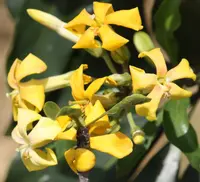
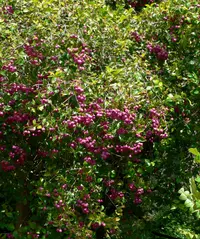
alstonville Care (Andesanthus lepidotus)

alstonville

About alstonville

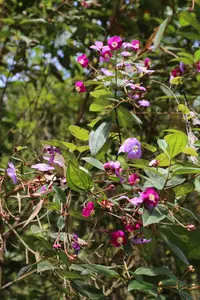
Andesanthus lepidotus, often sold under the name alstonville tibouchina, is an evergreen shrub or small tree valued for its showy purple flowers. It typically forms a rounded, branching shape with velvety, mid‑green leaves that create a dense canopy.

This species is native to higher-altitude regions of Brazil, where it grows in mild, relatively moist conditions. It can be moderately demanding, as it dislikes temperature extremes, poor drainage, and heavy pruning.

Gardeners usually find it easier in mild, frost-free climates, where it can flower over a long season. Understanding how to care for alstonville includes providing bright light, evenly moist but not waterlogged soil, and shelter from harsh winds.

Main Plant Requirements

Care Difficulty

Moderate Care

Light Preference

Full Sun

Water Requirements

Moderate Water

Temperature Preference

Tropical / Frost Sensitive

Hardiness Zone

10–11

Soil Texture

Loamy, Sandy, Organic-rich

Soil pH

Acidic (5.5–6.5), Slightly acidic (6.5–7.0)

Soil Drainage

Moist but well-drained

Fertilization

Light (every 4–6 weeks)

Get Personalized Care Plan

Scan your plant to receive care tips personalized for your specific plant

Available on iOS and Android

How to Care for the alstonville

This shrub prefers bright conditions with protection from harsh afternoon exposure.

  • Provide 4–6 hours of morning sun with light shade or filtered light after midday, especially in hotter climates.
  • It tolerates light to partial shade, but flowering on alstonville drops if grown in less than 3–4 hours of direct or bright dappled sun.
  • Watch foliage for stress: pale, sparse growth indicates too little light, while leaf scorch or crispy edges suggest excessive direct midday sun.

Andesanthus lepidotus benefits from steady moisture without staying saturated.

  • Water when the top 3–5 cm of soil feels dry, soaking the root zone deeply, then allow excess to drain away fully.
  • Use well-drained soil; soggy conditions cause yellowing leaves, soft stems, or root rot, while drooping leaves and dry, brittle tips point to underwatering.
  • In spring–summer, expect to water more often during active growth and heat, then reduce frequency in cooler months while still preventing the root ball from drying out completely.

This species prefers mild, frost-free conditions for reliable growth and flowering.

  • Ideal growing temperatures are 65–80°F (18–27°C), with stable conditions promoting stronger shoots and better bud formation.
  • It tolerates brief drops to about 40°F (4°C) but is damaged by frost; protect plants if temperatures near freezing are forecast.
  • In hot summers above 90°F (32°C), provide afternoon shade and maintain soil moisture, as prolonged extreme heat can stress foliage and reduce flowering.

This species prefers moderate to high humidity but copes with typical indoor levels if not extremely dry.

  • Aim for 50–70% humidity; use a room humidifier or humidity tray near the plant if air stays below 40%.
  • In very dry air, leaf edges may brown, curl slightly, or buds may drop before opening, indicating humidity stress.
  • Keep alstonville away from heaters, fireplaces, and strong drafts, and group plants to create a slightly more humid microclimate.

Andesanthus lepidotus grows best in a loose, moisture-retentive yet sharply drained mix that stays slightly acidic.

  • Use a base of loamy potting mix amended with 20–30% fine bark and 20–30% perlite to keep structure airy.
  • Target pH around 5.5–6.5, avoiding strongly alkaline soils that can cause nutrient lockout and leaf yellowing.
  • Ensure water moves through quickly; raised beds or mounded planting help prevent root suffocation in heavy garden soils.
  • Avoid compacted clay, waterlogged spots, or pure sand; blend in compost and grit to improve both organic content and drainage.

This shrub suits container growing if the pot supports its woody roots and upright canopy.

  • Choose a wide, heavy container to counterbalance the shrub’s top growth and reduce tipping in wind or on balconies.
  • Select thick-walled terracotta or similar porous material if extra evaporation is needed to prevent the mix staying wet for too long.
  • Use a tall pot that allows a deep root run and place it on pot feet so drainage holes stay clear and water leaves fast after watering.

Andesanthus lepidotus responds well to moderate feeding during the warm growing season.

  • Use a balanced slow-release fertilizer (around 10-10-10 or similar NPK) or a thin layer of compost in spring.
  • Feed container plants every 4–6 weeks in active growth, using a half-strength liquid balanced fertilizer.
  • Reduce or stop feeding in late fall and winter when growth slows or stops.
  • When caring for alstonville in pots, flush the soil with plain water a few times per season to limit salt buildup.

Andesanthus lepidotus benefits from light, timely pruning to maintain shape and flowering performance.

  • Carry out main pruning just after flowering finishes, keeping only light touch-ups at other times.
  • Remove dead, diseased, crossing, or inward-growing branches first to open the canopy to light and air.
  • Shorten overly long shoots to maintain a balanced outline and encourage branching for more flower buds.
  • Use clean, sharp bypass pruners and make cuts just above an outward-facing bud or side branch.

This shrub is usually grown in the ground, so focus on careful transplanting and only occasional repotting for container specimens.

  • Transplant or shift to a larger container in late winter to early spring, before strong new growth begins.
  • Look for roots circling the pot, water draining very quickly, or slowed growth as signs a container plant needs more space.
  • Handle the root ball gently, loosening only the outer roots and trimming damaged ones to reduce stress.
  • Replant at the same soil level in a slightly larger pot or prepared ground, water thoroughly, then shade from harsh sun for 3–5 days.

Andesanthus lepidotus is most often propagated from semi-ripe cuttings under warm, humid conditions.

  • Take 8–12 cm semi-ripe stem cuttings in late spring to midsummer from non-flowering shoots.
  • Remove lower leaves, optionally dip the base in rooting hormone, and insert into a free-draining mix such as 50% perlite and 50% peat or coco coir.
  • Keep cuttings at 70–75°F with bright, filtered light and high humidity, using a propagator or clear cover.
  • For seed, sow fresh seed in a light mix, barely cover, and maintain gentle warmth and even moisture until germination.

This plant is only mildly frost tolerant and benefits from some winter protection in cooler regions.

  • In climates below about 25°F, grow in containers so plants can be moved indoors or into a greenhouse for winter.
  • Apply a 5–8 cm layer of mulch around the root zone, keeping it slightly away from the main stems.
  • Shelter outdoor plants from cold drying winds using windbreaks or by planting near a protected wall.

Care Tips

Use sturdy staking

Install a strong stake or small trellis when the plant is young and tie stems with soft ties in a loose figure‑8, which keeps brittle shoots upright and reduces wind damage as the canopy becomes heavier with blooms.

Encourage lateral branching

Pinch or lightly tip‑prune only the very ends of overly tall, whippy shoots after the main flowering flush to encourage side branches that carry more flowers the following season without sacrificing overall structure.

Mulch for root comfort

Apply a 5–8 cm layer of composted bark or leaf mold over the root zone, keeping it a few cm away from the stem, to stabilize soil temperature and moisture and protect shallow feeder roots from heat and drying.

Monitor for sooty mold

Check leaves regularly for sticky residue and black sooty growth, which often indicates sap‑sucking pests, and rinse foliage with a firm but gentle spray of water before following up with targeted pest control if needed.

Plan seasonal repositioning

In containers, mark the pot’s sunniest orientation and slowly rotate or shift its position over 1–2 weeks at the start of each growing season, which reduces shock and leaf scorch when growing alstonville in changing light conditions.

Common Pests and Diseases

Scale insects

This pest attaches firmly to stems and leaf veins, sucking sap and causing yellowing, leaf drop, and weak, stunted growth.

Solution

Physically remove scales with a cotton swab dipped in 70% isopropyl alcohol, then wash foliage with lukewarm soapy water; for heavier infestations, apply a horticultural oil spray, ensuring thorough coverage of stems and the underside of leaves, and repeat every 7–10 days until no new scales appear.

Spider mites

These insects favor warm, dry conditions and cause fine stippling on leaves, bronzing, and delicate webbing between young shoots.

Solution

Increase humidity around the plant, then hose down the foliage with a firm but gentle spray to dislodge mites, and follow with an application of insecticidal soap or neem oil to all leaf surfaces, repeating every 5–7 days until new growth appears clean.

Leaf spot

This disease produces small brown or purplish spots that can enlarge and merge, leading to premature leaf drop and a thin canopy.

Solution

Remove and dispose of affected leaves, avoid overhead watering, and improve airflow around the shrub; in persistent cases, apply a copper-based or chlorothalonil fungicide labeled for ornamental shrubs at the first sign of new spotting and repeat as directed on the label.

Powdery mildew

This disease appears as a white or gray powdery coating on young leaves and shoots, often causing distortion and reduced flowering.

Solution

Prune crowded interior stems to improve air movement, water the soil instead of the foliage, and treat active infections with a sulfur-based fungicide or potassium bicarbonate spray, coating all leaf surfaces and repeating at 7–14 day intervals while conditions remain humid and mild.

Mealybugs

This pest forms white, cottony clusters in leaf axils and on tender stems, weakening the plant through sap loss and producing sticky honeydew that can attract sooty mold.

Solution

Dab visible mealybugs with a cotton swab dipped in 70% isopropyl alcohol, then rinse foliage thoroughly; follow up with insecticidal soap or neem oil, paying attention to hidden crevices, and inspect weekly to remove any remaining or newly hatched insects until the plant stays clear for several weeks.

Interesting Facts

Naturally mossy bark

Mature shrubs often develop a thin layer of epiphytic moss and lichens on older branches in their native Andean cloud forests, a sign of the cool, humid microclimate where the species evolved.

Mist-adapted foliage

The leaves have a slightly leathery texture and a fine hair coating that helps reduce water loss and tolerate frequent mist, rain, and high humidity typical of montane forests in Colombia and nearby regions.

Flower color complexity

The purple to violet flowers can show subtle color shifts depending on light intensity and temperature, because their pigments are based on anthocyanins, a group of compounds sensitive to environmental conditions.

Botan icon

Did you know?

This species is naturally associated with Andean cloud forests, where it often grows on steep, moist slopes and road banks, taking advantage of high light levels above the main forest canopy while still benefiting from near-constant fog and moisture.

FAQs about alstonville

Poor flowering is often linked to low light, heavy pruning at the wrong time, or excess nitrogen fertilizer. Prune lightly just after flowering, avoid constant shearing, and use a balanced fertilizer to support bud formation.

Grow Healthy Plants with Botan Care

Keep your plants happy and healthy with plant identification, disease detection, and easy care guidance.

Botan plant care app — identify plants on mobile

Explore More Plants