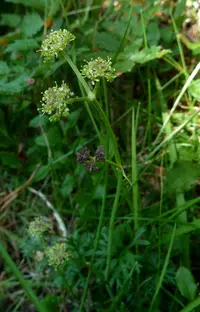
giant angelica Care (Angelica ampla)

giant angelica

About giant angelica

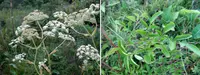
Giant angelica, Angelica ampla, is a robust perennial herb in the carrot family, grown mainly for its tall, architectural flower stalks and bold foliage. It forms large clumps of divided leaves and sends up impressive umbels of small, pale flowers that attract many pollinators.

This species is native to parts of North America, typically found in moist meadows, stream edges, and cool woodland openings. It prefers consistently moist, rich soil and cooler conditions, so it may be short-lived or struggle in hot, dry climates.

Gardeners who want to learn how to care for giant angelica should consider its need for moisture, shelter from intense heat, and space for its mature height and spread.

Main Plant Requirements

Care Difficulty

Moderate Care

Light Preference

Partial Shade

Water Requirements

Regular Water

Temperature Preference

Cool Climate

Hardiness Zone

4–7

Soil Texture

Loamy, Silty, Organic-rich

Soil pH

Slightly acidic (6.5–7.0), Neutral (7.0)

Soil Drainage

Moist but well-drained

Fertilization

Minimal (feed rarely)

Get Personalized Care Plan

Scan your plant to receive care tips personalized for your specific plant

Available on iOS and Android

How to Care for the giant angelica

This tall perennial prefers cool, bright conditions without harsh afternoon exposure.

  • Provide 4–6 hours of morning sun or light, open shade; dappled light under high trees suits giant angelica well.
  • Avoid strong afternoon sun in hot climates, which can scorch leaves and dry soil too quickly, especially in shallow or exposed sites.
  • In summer, protect from reflective heat near walls; in cooler months, trim nearby shade plants lightly if stems stretch or flop toward light.

This species prefers consistently moist, cool soil without becoming waterlogged.

  • Aim for soil that stays evenly damp; in the top 3–5 cm, let the surface just begin to feel slightly dry before the next thorough soak.
  • Use deep, well-drained, organic-rich soil so excess water can drain while lower layers remain moist for Angelica ampla roots.
  • In hot, dry spells, watch for wilting or dull, drooping leaves as a cue to water more, and for yellowing, soft stems as a sign of overwatering.

This hardy perennial grows best in cool to mild climates with protection from extreme heat.

  • Active growth is strongest around 55–70°F (13–21°C), with flowering often best in consistently cool summers.
  • The plant tolerates winter cold down to about 5–10°F (-15 to -12°C) once established, but young plants benefit from mulch in freezing conditions.
  • In hot spells above 80–85°F (27–29°C), provide extra shade and moisture, since prolonged heat can stress stems and shorten the flowering period.

Angelica ampla prefers moderate outdoor humidity but tolerates a fairly wide range if soil moisture is consistent.

  • Aim for 40–60% humidity; plants tolerate brief dips lower if roots never dry out completely.
  • Crisping leaf edges, slow growth, and drooping foliage in dry, windy spells indicate humidity and moisture stress.
  • Increase effective humidity outdoors by mulching the root zone 5–8 cm deep and planting away from drying walls or pavement.

Angelica ampla grows best in deep, moist, well-aerated soil that stays evenly damp without waterlogging.

  • Choose a loamy, organic-rich soil that holds moisture yet crumbles easily, avoiding dense, sticky clay and very light sand.
  • Aim for slightly acidic to neutral pH, around 6.0–7.0, which supports nutrient availability and healthy root development.
  • Prepare planting beds with 30–40% compost plus coarse sand or fine grit to improve structure, drainage, and aeration.
  • On heavy sites, plant on a low mound or raised bed so excess water drains away from the crown and roots.

This species can be grown in large outdoor containers if the pot and setup support its tall, moisture-loving growth.

  • Use a tall, heavy container to counter wind and prevent the top-heavy plant from tipping as stems elongate.
  • Select a moisture-retentive mix in a deep pot so roots access consistent moisture without leaving the lower zone waterlogged.
  • Raise the container on feet or bricks so drainage holes stay clear and excess water escapes quickly after rain or watering.

Angelica ampla benefits from modest, well-timed feeding rather than heavy fertilization.

  • Apply a balanced, slow-release fertilizer (around 10-10-10) at half strength once in early spring as new growth starts.
  • In richer soils, use a light top-dressing of compost instead of granular fertilizer to avoid coarse, overly lush growth.
  • During the main growing season, one additional light feeding may support flowering for giant angelica, especially in poor soils.
  • Stop feeding in late summer and do not fertilize in winter dormancy to avoid weak, frost-sensitive growth.

Angelica ampla needs only light, purposeful pruning to maintain health and manage self-seeding.

  • Cut back spent flower stalks after seed set if self-sowing is not desired, using clean, sharp pruners.
  • Remove dead, damaged, or diseased stems at the base in late winter or very early spring before new growth emerges.
  • Thin congested stems carefully to improve airflow, which helps reduce fungal problems and keeps the plant more upright.
  • Avoid heavy cutting into young shoots, as this can weaken the plant and reduce flowering in the following season.

Angelica ampla is usually grown in the ground and dislikes frequent disturbance, so transplant only when necessary.

  • Plan transplanting for early spring or early fall, when temperatures are mild and soil moisture is steady.
  • Move plants only if growth declines, roots circle a container, or the clump is clearly overcrowded.
  • Dig a wide, deep hole, lift the plant with as much root ball as possible, and replant at the same depth in rich, moist soil.
  • Water thoroughly after transplanting, shade from intense sun for 7–10 days, and keep soil evenly moist to limit root stress.

New Angelica ampla plants are most reliably raised from seed rather than division or cuttings.

  • Collect fresh seed in late summer and sow soon after harvest, as viability declines in dry storage.
  • Use deep trays or pots filled with moist, well-drained seed mix, and press seeds lightly into the surface without burying deeply.
  • Expose sown containers to cool conditions and natural winter chilling outdoors, which helps break seed dormancy.
  • Maintain steady moisture and good light in spring; thin crowded seedlings gently and transplant when they have several true leaves.

Mature Angelica ampla plants are generally cold hardy in temperate climates and need only basic winter care.

  • Tolerates typical frosts in many temperate regions once established, especially in well-drained soil.
  • Apply a 5–8 cm layer of organic mulch around the root zone in late fall, keeping it slightly away from stems.
  • In colder areas or exposed sites, stake tall stems before winter winds and cut back collapsed stalks to reduce rot.

Care Tips

Sturdy staking

Install tall, rigid stakes or a discreet wire cage early in the season so the hollow flowering stems can grow through the support and are less likely to snap in wind or heavy rain.


Moisture buffering mulch

Apply a 5–8 cm layer of leaf mold or composted bark around the root zone, keeping it a few cm away from the crown, to keep soil evenly moist and protect the shallow roots from temperature swings.

Self‑seeding management

If you want controlled reseeding, allow only a few selected flower heads to set seed and remove the rest promptly, then lightly rake the soil under those heads to help seeds contact the surface and germinate.

Crown winter protection

In colder climates, leave a loose layer of dry leaves or straw over the crown after the first hard frost, then remove it early in spring to reduce rot while still protecting the plant from freeze–thaw damage.

Targeted pest monitoring

Check the undersides of large leaves and the young flower stalks weekly for aphids and caterpillars during active growth, and wash off small infestations with a firm stream of water before they spread when caring for giant angelica.

Common Pests and Diseases

Carrot fly

This pest targets many Apiaceae plants, and larvae tunnel into the thick roots and lower stems, causing stunting, yellowing, and collapse of young Angelica ampla plants.

Solution

Use fine insect mesh over beds from early spring to prevent egg‑laying, avoid thinning or handling plants during warm still evenings, and rotate planting areas yearly; in small plantings, remove and destroy any plants with clearly tunneled roots to reduce local populations.

Leaf miners

These insects create pale, winding tunnels inside angelica leaves, which can merge into large blotches and reduce photosynthesis in stressed plants.

Solution

Regularly inspect foliage and pinch off and destroy affected leaves before the larvae complete their development, support strong growth with even moisture and moderate feeding, and if needed use a neem oil or spinosad spray targeted to the leaf undersides where adults often rest.

Angelica rust

This disease causes bright orange or rust‑colored pustules on the undersides of leaves, often with yellowing spots above and early leaf drop in humid, crowded plantings.

Solution

Remove and destroy infected leaves at first signs, keep plants spaced with good airflow, avoid overhead watering, and if rust recurs each year consider rotating angelica to a different bed and using a sulfur or copper‑based fungicide labeled for rust on ornamentals.

Powdery mildew

This disease shows as white, powdery patches on leaves and stems, which can lead to distortion and premature leaf drop late in the season, especially in dry air with cool nights.

Solution

Improve air movement by thinning crowded stems, water at the base rather than over foliage, promptly remove heavily infected leaves, and if needed apply a potassium bicarbonate or sulfur product at the first sign of infection, following label directions for Angelica ampla care.

Aphids

These insects cluster on tender stems and flower stalks, sucking sap, causing curling or sticky leaves, and sometimes transmitting viral diseases in angelica stands.

Solution

Dislodge colonies with a firm water spray, encourage natural predators such as lady beetles by avoiding broad‑spectrum insecticides, and on persistent infestations use insecticidal soap or horticultural oil, coating stems and leaf undersides thoroughly and repeating as new aphids hatch.

Interesting Facts

Colorado Plateau endemic

This species is native to a restricted region of the Colorado Plateau in the southwestern United States, where it grows in pinyon–juniper woodlands and montane meadows on well‑drained, often rocky soils.

Robust umbel structure

It forms large, domed umbels made up of many small flowers, a typical feature of the carrot family Apiaceae, which creates an efficient landing platform that attracts a wide range of pollinating insects over an extended blooming period.

Perennial root strategy

As a long‑lived perennial herb, it invests heavily in a stout root system that stores energy, allowing the plant to resprout reliably each year and flower even after periods of moderate drought or grazing pressure.

FAQs about giant angelica

Lack of flowering usually comes from insufficient light, dry or nutrient-poor soil, or stress from transplanting. This species also often needs a cold winter period to trigger flowering, so mild climates can delay or reduce blooms.

Grow Healthy Plants with Botan Care

Keep your plants happy and healthy with plant identification, disease detection, and easy care guidance.

Botan plant care app — identify plants on mobile

Explore More Plants