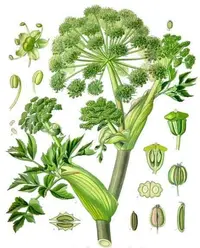
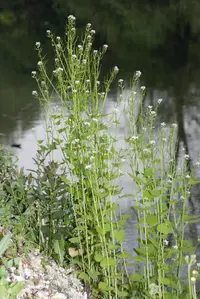
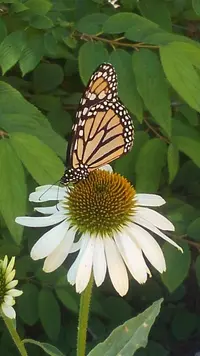
ranger buttons Care (Angelica capitellata)

Also known as: swamp white heads, woollyhead parsnip, button parsley
ranger buttons

About ranger buttons

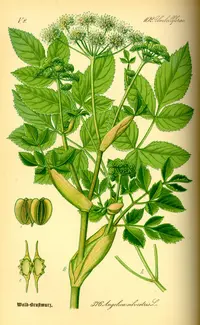
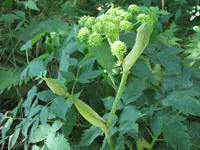
Ranger buttons, Angelica capitellata, is a herbaceous perennial in the carrot family, known for its rounded clusters of tiny, button-like flowers. It typically grows as a tall, upright plant with divided, fern-like foliage that gives a soft, airy look.

This species is native to parts of western North America, where it is usually found in open, seasonally moist habitats. It can be somewhat challenging for beginners, as it prefers consistent moisture, good drainage, and cool to mild conditions. Gardeners who learn how to care for ranger buttons often value it for adding structure and fine texture to naturalistic plantings.

Main Plant Requirements

Care Difficulty

Moderate Care

Light Preference

Partial Shade

Water Requirements

Moderate Water

Temperature Preference

Cool Climate

Hardiness Zone

6–9

Soil Texture

Loamy, Silty, Organic-rich

Soil pH

Acidic (5.5–6.5), Slightly acidic (6.5–7.0)

Soil Drainage

Moist but well-drained

Fertilization

Minimal (feed rarely)

Get Personalized Care Plan

Scan your plant to receive care tips personalized for your specific plant

Available on iOS and Android

How to Care for the ranger buttons

Angelica capitellata prefers bright outdoor conditions with moderate, not scorching, sun exposure.

  • Provide 4–6 hours of sun daily, favoring morning sun and light afternoon shade, especially in hotter regions.
  • Allow dappled or filtered light during mid-afternoon; ranger buttons foliage can scorch in intense, all-day sun, particularly during summer.
  • In cooler seasons, site plants where they receive more direct light to support flowering, but avoid deeply shaded spots that lead to weak, elongated stems.

This species prefers consistently moist but not waterlogged soil, especially during active growth.

  • Water when the top 3–5 cm of soil feels slightly dry, aiming to keep deeper layers lightly moist during spring and summer.
  • Use soil with good drainage; prolonged puddling, yellowing leaves, and soft stems indicate overwatering and possible root stress for Angelica capitellata.
  • In cooler months, reduce watering frequency, watching for drooping or crisp leaf edges as signs the soil has stayed dry too long.

This plant grows best in cool to mild outdoor conditions with some tolerance of both spring chill and summer warmth.

  • Optimal growth occurs around 55–75°F (13–24°C), with steady cool nights supporting sturdy stems and flower development.
  • Mature plants usually tolerate brief drops to about 25°F (−4°C), but young plants benefit from protection during hard frosts or sudden cold snaps.
  • In hot spells above 85°F (29°C), provide afternoon shade and mulch to keep roots cooler and reduce stress-related wilting.

Angelica capitellata manages well in average outdoor humidity but benefits from slightly moist air in hot, dry regions.

  • Target 40–60% humidity in cultivation, which suits most garden conditions without special equipment.
  • It tolerates short dry spells, but prolonged very dry air in heatwaves can cause leaf edges to brown and curl.
  • In dry climates, group ranger buttons near other plants and use a thick organic mulch to slow surface drying around the root zone.

Angelica capitellata prefers deep, moist, well-drained soil with a high organic content.

  • Use a loamy mix with roughly 50% garden soil, 30–40% compost, and 10–20% coarse sand for structure and drainage.
  • Aim for slightly acidic to neutral pH around 6.0–7.0 to support nutrient availability and healthy root growth.
  • In heavy clay, incorporate coarse sand or fine gravel plus plenty of compost to improve aeration and reduce waterlogging risk.
  • Avoid compacted, waterlogged, or very shallow soils, which promote root rot and poor anchoring of tall flowering stems.

This species can be grown in containers, but the pot must accommodate its deep, vigorous root system.

  • Choose a tall, heavy container to provide depth for the taproot and prevent the plant from toppling in wind.
  • Use a free-draining mix and raise the pot on feet or bricks so drainage holes never sit in standing water.
  • Position the container where it is sheltered from strong gusts, since tall stems act like sails and can shift a light pot.

Angelica capitellata, often called ranger buttons, grows best in moderately fertile soil but benefits from light feeding in cultivation.

  • Use a balanced, slow-release fertilizer (for example 10-10-10) or a thin layer of compost in early spring.
  • Feed every 6–8 weeks during the active growing season, avoiding heavy applications that cause weak, lush growth.
  • Dilute liquid fertilizers to 1/2 strength and apply to moist soil to reduce root burn risk.
  • Stop feeding in late summer to early fall so plants can harden off before winter dormancy.

Pruning Angelica capitellata is mainly about cleanliness and maintaining a natural, open clump.

  • Cut back dead, diseased, or storm-damaged stems whenever noticed using clean, sharp hand pruners.
  • In late winter or very early spring, remove spent flower stalks and weak, crowded stems at the base.
  • Light thinning improves air flow, reduces fungal problems, and helps maintain a tidy, upright habit.
  • Avoid heavy cutting into healthy crowns, which can reduce vigor and flowering in the next season.

This species is usually grown in the ground, so focus on careful transplanting rather than frequent repotting.

  • Transplant in early spring or early fall when temperatures are mild to reduce stress.
  • Look for signs such as stunted growth, crowded clumps, or roots circling a nursery pot before moving plants.
  • Lift with a generous root ball, keep roots shaded and moist, and replant at the same soil depth in prepared ground.
  • Water thoroughly after transplanting and keep soil evenly moist for several weeks to support root re-establishment.

Propagation of Angelica capitellata is possible but somewhat specialized, most often done by seed.

  • Sow fresh seeds in late summer to fall, as germination often improves after natural cold stratification in winter.
  • Use a free-draining seed mix, keep it just moist, and place trays in a cool, bright, sheltered spot outdoors.
  • Thin or prick out seedlings once they develop true leaves, handling roots gently to limit transplant shock.
  • Division of established clumps is possible in early spring but should be done infrequently to avoid weakening plants.

Mature plants are generally cold hardy in much of the temperate US and need only modest winter attention.

  • In cold climates, apply a 5–8 cm layer of mulch around the root zone after the ground cools, keeping mulch off crowns.
  • Allow top growth to die back naturally, then cut spent stems close to the base in late winter or early spring.
  • For container specimens in colder zones, move pots to a sheltered, unheated but frost-moderated area.

Care Tips

Early staking setup

Install sturdy stakes or a low wire ring around young plants in early spring so the tall, hollow stems are supported before wind or heavy rain can bend or split them later in the season.


Pinch for sturdier growth

Lightly pinch out the soft tips of very young shoots once they reach 15–20 cm to encourage a stockier framework that resists lodging and holds the floral buttons more evenly.

Mulch for cool roots

Apply a 3–5 cm layer of fine bark or composted leaf mold around, but not touching, the crowns to keep roots cool, reduce water stress, and help maintain even soil moisture during summer.

Self‑seeding management

If you want controlled spread, leave only a few seed heads to mature and cut the rest immediately after flowering so the plant can reseed modestly without forming dense, weedy stands.

Targeted pollinator strip

Plant in a narrow strip or block with at least 5–7 individuals together to create a more noticeable nectar source for beneficial insects, which in turn can help limit aphids and other soft‑bodied pests when growing ranger buttons.

Common Pests and Diseases

Angelica rust

This disease causes orange to brown powdery pustules on leaves and stems, often leading to yellowing and premature leaf drop. Symptoms include worse outbreaks in cool, moist conditions with dense foliage.

Solution

Remove and discard heavily infected leaves to reduce spore load, and avoid overhead watering so foliage dries quickly. Improve spacing and airflow around plants, and if rust recurs, apply a sulfur or copper-based fungicide labeled for ornamental Apiaceae, following label directions carefully.

Cercospora leaf spot

This disease produces small, circular to irregular brown spots with darker margins on leaves, which can merge into larger blotches under prolonged humidity. Symptoms include thinning foliage and reduced vigor on stressed plants.

Solution

Prune out and dispose of affected leaves and plant debris, and water at soil level to keep leaves dry. For recurring problems, use a chlorothalonil or copper fungicide at the first sign of spotting and rotate products to reduce resistance risk.

Aphids

These insects cluster on young stems, leaf undersides, and flower stalks, sucking sap and causing curling, distortion, and sticky honeydew that can attract sooty mold. This pest often builds up quickly on lush, nitrogen-rich growth of Angelica capitellata.

Solution

Dislodge colonies with a firm stream of water, repeating every few days, and encourage natural predators such as lady beetles by limiting broad-spectrum insecticides. For persistent infestations, use insecticidal soap or a light horticultural oil, ensuring thorough coverage of leaf undersides and tender growth.

Carrot rust fly larvae

These insects lay eggs in soil near the crown, and larvae tunnel into the upper roots and crown tissue, causing stunting, wilting, and browning of lower stems. This pest is attracted to aromatic Apiaceae and can be more problematic in cool, moist soils.

Solution

Use fine insect netting over young plants to exclude adult flies, and avoid planting near carrots or parsnips that may harbor the pest. Rotate planting areas yearly and remove plant residues after flowering; in severe cases, apply a targeted soil insecticide or biological control product containing beneficial nematodes, following label guidance.

Powdery mildew

This disease appears as white to gray powdery patches on upper leaf surfaces, sometimes followed by yellowing and premature leaf drop. Symptoms include heavier infection during warm days, cool nights, and moderate humidity, especially on crowded plants.

Solution

Increase spacing and airflow, remove the worst-affected leaves, and avoid high-nitrogen fertilization that promotes soft growth. At early onset, apply a potassium bicarbonate, sulfur, or horticultural oil product labeled for powdery mildew, coating both upper and lower leaf surfaces according to the instructions for proper Angelica capitellata care.

Interesting Facts

Western US native

This species is native to the western United States, where it occurs mainly in montane and subalpine habitats such as open meadows and forest edges.

Umbel flower structure

Like other Apiaceae, it produces its tiny flowers in compound umbels, which create flat to slightly rounded clusters that offer easy landing platforms for a wide range of pollinating insects.

Insect-supporting nectar source

The small greenish-white flowers provide accessible nectar and pollen that support flies, bees, and other small insects in high-elevation ecosystems.

FAQs about ranger buttons

Lack of blooms often comes from insufficient light, poor soil fertility, or plants that are still immature. Excessive nitrogen, heavy shade, or drought stress also reduce flowering. Correcting these conditions is central to Angelica capitellata plant care.

Grow Healthy Plants with Botan Care

Keep your plants happy and healthy with plant identification, disease detection, and easy care guidance.

Botan plant care app — identify plants on mobile

Explore More Plants