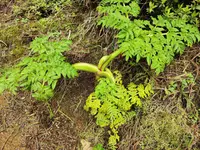
filmy angelica Care (Angelica triquinata)

Also known as: mountain angelica, Appalachian angelica
filmy angelica

About filmy angelica

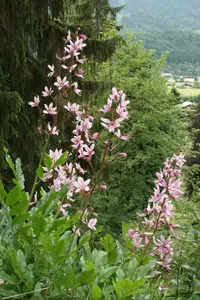
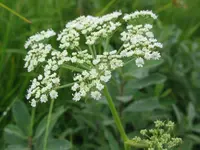
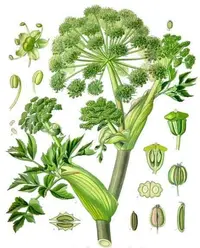
Filmy angelica (Angelica triquinata) is a herbaceous perennial in the carrot family, known for its delicate, divided leaves and airy umbels of small greenish-white flowers. It usually forms clumps along cool, moist forest streams and mountain slopes in the Appalachian region of the eastern United States.

The plant has a graceful, finely textured appearance but can be somewhat particular about site conditions. It prefers consistently moist, humus-rich soil and light to moderate shade, so it is best suited to sheltered woodland-style gardens.

Because it dislikes heat and drought, it may be short-lived or challenging in hotter, drier climates. Understanding how to care for filmy angelica starts with matching its cool, moist woodland habitat as closely as possible.

Main Plant Requirements

Care Difficulty

Moderate Care

Light Preference

Partial Shade

Water Requirements

Regular Water

Temperature Preference

Cool Climate

Hardiness Zone

4–7

Soil Texture

Loamy, Silty, Organic-rich

Soil pH

Acidic (5.5–6.5), Slightly acidic (6.5–7.0)

Soil Drainage

Moist but well-drained

Fertilization

Minimal (feed rarely)

Get Personalized Care Plan

Scan your plant to receive care tips personalized for your specific plant

Available on iOS and Android

How to Care for the filmy angelica

This woodland perennial prefers bright, indirect conditions that mimic a lightly shaded forest edge.

  • Provide dappled or filtered light with 2–4 hours of gentle morning sun and shade in the hot afternoon to prevent leaf scorch.
  • Plant filmy angelica where it receives partial shade; deep shade leads to weak, floppy growth and fewer flowering stems.
  • In summer, protect from intense sun, especially in the southern US, while in cooler climates it can tolerate more open, but not harsh, exposure.

This species favors consistently moist, cool soil but reacts poorly to standing water.

  • In the ground, water when the top 2–4 cm of soil feels just starting to dry, aiming to keep the root zone evenly moist, not soggy.
  • Increase watering during hot, dry periods; reduce in cool, rainy weather to avoid root rot, a common issue for Angelica triquinata in heavy soils.
  • Watch for drooping, crisp leaf edges as a sign of underwatering, and yellowing, soft stems or a sour soil smell as indicators of excess moisture.

This cool-temperate perennial performs best in mild conditions with protection from extremes.

  • Ideal growing temperatures are around 60–75°F (16–24°C), with steady moisture helping the plant handle brief warmer spells.
  • Established plants tolerate down to about 10–20°F (-12 to -6°C) with mulch, but young plants benefit from extra winter protection.
  • In summer, growth may slow above 85°F (29°C); provide shade and soil moisture, and avoid sites that trap heat such as south-facing walls or bare rock.

This woodland perennial prefers moderate, evenly moist air but usually adapts to typical outdoor humidity.

  • Aim for 40–60% humidity in shaded, sheltered sites, similar to a moist forest edge.
  • Dry, hot winds can desiccate foliage; provide windbreaks or plant near taller vegetation for protection.
  • Wilting, crisp leaf edges, and stalled growth indicate humidity stress; use mulch and close plant spacing to retain localized moisture around filmy angelica.

This species grows best in deep, moist, well-drained, humus-rich soil that mimics its mountain woodland habitat.

  • Use a loamy mix with high organic matter, such as garden loam blended with leaf mold or compost for structure and moisture retention.
  • Ensure drainage is steady but not rapid by avoiding pure sand or heavy clay; amend clay with compost and coarse material for better pore space.
  • Target a slightly acidic to neutral pH around 5.5–7.0, typical of forest soils with decaying leaf litter.
  • For Angelica triquinata, avoid compacted, waterlogged sites or very shallow soils, which restrict deep rooting and increase rot risk.

This plant can be grown in containers short term, but large, deep outdoor beds remain more suitable for mature specimens.

  • Choose a tall, heavy pot to support the deep taproot and prevent the tall flower stalks from tipping the container in wind.
  • Use a deep mix that stays evenly moist yet drains freely, such as 2 parts compost-rich loam to 1 part pine bark or coarse grit.
  • Position the container where rain can reach it and monitor moisture more often than in-ground plants, as limited soil volume dries faster.

Angelica triquinata grows in lean woodland soils and only benefits from light, targeted feeding in cultivation.

  • Apply a balanced, diluted liquid fertilizer (around 10-10-10 at 1/2 strength) every 4–6 weeks during active growth in spring–summer.
  • Use a thin layer of compost as top-dressing instead of heavy granular products to mimic natural leaf litter.
  • Avoid fertilizing during fall and winter dormancy to prevent soft, weak growth.
  • In nutrient-poor garden soils, a single application of slow-release balanced fertilizer in early spring is sufficient when caring for filmy angelica.

Pruning needs for Angelica triquinata are minimal and mainly focused on hygiene and safety.

  • In late winter or early spring, remove dead or damaged stems with clean, sharp hand pruners.
  • Cut back spent flowering stalks at the base after seeds disperse to tidy the plant and reduce self-seeding.
  • Thin crowded stems lightly to improve air flow but keep the plant’s natural, open form.
  • Disinfect pruning tools before and after use to reduce disease spread in damp woodland conditions.

This species is usually grown in the ground, so focus on careful transplanting rather than frequent repotting.

  • Transplant young plants in early spring or early fall, when temperatures are mild and soil remains evenly moist.
  • Move plants only if growth is poor, roots are densely circling a pot, or the clump is crowding neighboring species.
  • Lift with a wide root ball, disturb roots as little as possible, and replant at the same depth in loose, organic-rich soil.
  • Water thoroughly after transplanting, then keep soil consistently moist and shaded for several weeks to reduce transplant shock.

Angelica triquinata is best propagated from fresh seed due to its biennial or short-lived perennial habit.

  • Collect seed as it ripens in late summer, before it fully shatters from the umbels.
  • Sow fresh seed outdoors in fall, allowing natural cold stratification over winter for improved germination.
  • Use a moist, humus-rich, well-drained seed bed in light shade, keeping the surface evenly damp but not waterlogged.
  • Avoid division or cuttings, which tend to disturb the taproot and reduce plant vigor.

This woodland species is cold hardy in much of its native range and usually needs only modest winter attention.

  • Tolerates typical freezing conditions in temperate climates when planted in the ground with good drainage.
  • Apply a 5–8 cm layer of leaf mulch in late fall to insulate the root zone and mimic forest litter.
  • For container-grown plants, move pots into a sheltered, unheated but frost-free or minimally freezing area to protect roots from repeated freeze–thaw cycles.

Care Tips

Sturdy stem support

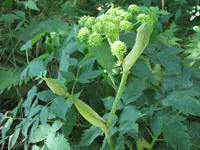
Install low, discreet stakes or a wire hoop around young plants in early spring so the tall, hollow stems have support before heavy umbels form and risk lodging in wind or rain.

Understory companion planting

Plant this species among open woodland perennials or low shrubs that provide light shade and root competition, which helps keep soil cooler and more evenly moist during summer heat.

Seed head management

After flowering, leave some seed heads to mature fully for self-sowing, but cut and remove the rest before they shatter to control spread and concentrate the plant’s energy on a smaller, healthier colony.

Targeted slug protection

In early spring, protect emerging shoots with physical barriers like copper tape rings or sharp grit around the crown, as young growth is highly attractive to slugs and can be destroyed before it establishes.

Woodland mulch strategy

Apply a thin, airy layer of shredded leaf mold or fine bark each autumn to mimic woodland leaf litter, improving moisture retention and soil structure without smothering the crown when growing filmy angelica.

Common Pests and Diseases

Leaf spot

This disease causes dark brown to black lesions on foliage, often with a water-soaked or yellow halo, and can lead to premature leaf drop in humid woodland settings.

Solution

Remove and destroy affected leaves promptly, avoid overhead watering, and maintain good spacing and airflow; in persistent, severe cases in garden settings, a labeled copper or chlorothalonil fungicide can be used according to local regulations and label directions.

Powdery mildew

This disease appears as white, powdery growth on upper leaf surfaces and young stems, which can cause distortion and reduced vigor in shaded, moist conditions.

Solution

Improve light and air movement around plants, water at soil level to keep foliage dry, remove heavily infected leaves, and, if needed, use a sulfur or potassium bicarbonate fungicide labeled for ornamental Apiaceae, applied according to directions.

Aphids

These insects cluster on young stems, leaf undersides, and flower stalks, sucking sap and causing curling, yellowing, and sticky honeydew that can attract sooty mold.

Solution

Rinse colonies off with a firm stream of water, encourage or introduce natural predators such as lady beetles, and, if populations remain high, apply insecticidal soap or a light horticultural oil, making sure to cover leaf undersides.

Carrot rust fly larvae

This pest’s maggots feed on roots of Apiaceae relatives, which can stunt plants and lead to yellowing, wilting foliage, especially in moist, cool soils.

Solution

Use fine mesh row covers early in the season to keep adult flies from laying eggs near plants, avoid leaving decaying Apiaceae roots in the soil, rotate planting areas, and in severe, confirmed infestations remove and destroy affected plants to break the life cycle.

Interesting Facts

Southern Appalachian specialist

This species is naturally restricted to the southern Appalachian Mountains in the eastern United States, where it grows in cool, moist, high-elevation forests and along shaded stream banks.

Distinctive three-angled stems

Mature plants often show subtly three-angled stems and leaf stalks, a feature reflected in the name triquinata, which refers to a three-cornered or three-angled form.

Late-season umbels

It flowers relatively late in the growing season with pale greenish-white umbels that provide nectar and pollen for a variety of late-flying bees and other insects in its native forest habitats.

Botan icon

Did you know?

Early botanical records indicate that this species was described from the Appalachian region in the 19th century, and it has since been used as a reference taxon in floras of the southeastern United States to help distinguish similar woodland Angelica species.

FAQs about filmy angelica

This woodland species grows best outdoors in cool, shaded garden beds that mimic its native forest habitat. Indoors, it usually declines due to dry air, low light, and unstable temperatures, so long-term filmy angelica indoor care is not recommended.

Grow Healthy Plants with Botan Care

Keep your plants happy and healthy with plant identification, disease detection, and easy care guidance.

Botan plant care app — identify plants on mobile

Explore More Plants