Henderson's angelica Care (Angelica hendersonii)

Henderson's angelica

About Henderson's angelica

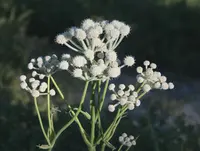
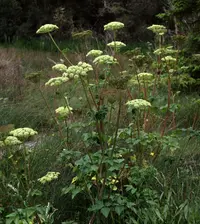
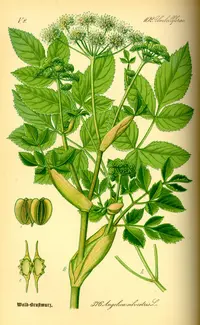
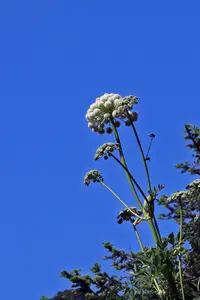
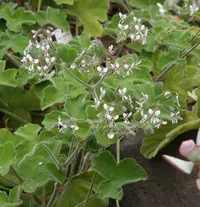
Henderson's angelica, Angelica hendersonii, is a perennial coastal herb in the carrot family. It forms clumps of divided, slightly glossy green leaves with tall, hollow flowering stems.

In summer it carries broad, flat-topped umbels of small, creamy-white flowers that attract many pollinating insects. Plants typically grow in sandy or rocky soils along the Pacific coast of North America, especially in exposed, maritime sites.

This species tolerates wind, salt spray, and poor, fast-draining soils, but resents very dry conditions and deep shade. Once established, it is relatively low maintenance, provided its need for moisture-retentive but well-drained soil is met.

Gardeners who want to learn how to care for Henderson's angelica should start by mimicking its cool, bright, coastal habitat as closely as their climate allows.

Main Plant Requirements

Care Difficulty

Moderate Care

Light Preference

Full Sun

Water Requirements

Moderate Water

Temperature Preference

Cool Climate

Hardiness Zone

6–9

Soil Texture

Sandy, Loamy, Organic-rich

Soil pH

Slightly acidic (6.5–7.0), Neutral (7.0)

Soil Drainage

Moist but well-drained

Fertilization

Minimal (feed rarely)

Get Personalized Care Plan

Scan your plant to receive care tips personalized for your specific plant

Available on iOS and Android

How to Care for the Henderson's angelica

This coastal perennial prefers bright, soft light rather than harsh, all-day sun.

  • Provide 4–6 hours of direct morning or late-afternoon sun, with light shade or high, thin cloud cover at midday where possible.
  • Allow partial shade, especially in hotter inland sites; plants grown in dappled light often show less leaf scorch and slower soil drying.
  • Avoid intense, unfiltered afternoon sun that can bleach or crisp foliage; too much shade causes tall, weak stems and sparse flowering in Henderson's angelica.

This species prefers steadily moist but not waterlogged soil throughout the growing season.

  • Water when the top 3–5 cm of soil feels slightly dry, aiming for evenly moist soil around the deeper root zone.
  • Use deep, thorough soakings rather than light splashes, and ensure soil drains freely; prolonged puddling or sour smell indicates overwatering and root problems.
  • In spring and early summer, check moisture more often, then reduce slightly in late summer; wilting at midday with dry soil signals underwatering, while yellowing, soft stems suggest excess water for Angelica hendersonii.

This plant is adapted to cool, coastal conditions and dislikes extreme heat or severe inland cold.

  • Support active growth at 55–70°F (13–21°C); steady cool to mild conditions promote sturdy stems and better flowering.
  • Tolerate brief drops to about 20–25°F (-6 to -4°C) once established, but young plants benefit from mulch protection during hard frosts.
  • In hotter regions, aim to keep roots cool and avoid prolonged exposure above 80–85°F (27–29°C), which can cause stress, leaf scorch, and early die-back.

This coastal biennial prefers moderately moist air but adapts to typical household humidity.

  • Aim for 40–60% humidity to reduce leaf edge browning and tip dieback.
  • It tolerates short spells of drier air if soil moisture is kept even and roots do not dry completely.
  • Low humidity stress shows as curling, papery leaf margins; group plants or place near a pebble tray to raise humidity.

Angelica hendersonii grows best in deep, moist, well-aerated soil with a loose, fertile structure.

  • Use a loamy mix with roughly 40% garden soil, 40% compost, and 20% sharp sand for drainage.
  • Ensure water drains within a few minutes after watering; avoid compacted or heavy clay that stays wet for hours.
  • Aim for slightly acidic to neutral pH around 6.0–7.0, amending very acidic or alkaline soils with compost.
  • Improve aeration by working in coarse sand or fine gravel through the top 15–20 cm, especially in dense native soils.

This species can be grown in containers if the pot is large and stable enough for its tall, coastal growth habit.

  • Select a deep, weighty container to prevent tipping in wind and to anchor the tall flowering stems.
  • Choose a pot material that does not dry out too fast, such as thick-walled terracotta or glazed clay, to moderate root moisture.
  • Use a tall container shape to give the strong taproot room to extend without circling tightly near the base.

This coastal biennial or short-lived perennial needs only light feeding in average garden soil.

  • Apply a thin layer of garden compost around plants in early spring to support new growth.
  • Use a balanced, slow-release fertilizer (around 10-10-10) at half strength once in spring if soil is poor.
  • Avoid midsummer and late-season feeding to keep growth sturdy and reduce winter damage risk.

Pruning Angelica hendersonii is minimal and mainly supports plant health and seed control.

  • In late winter or early spring, remove dead, damaged, or weak stems with clean hand pruners.
  • After flowering, cut spent flower stalks at the base if self-seeding is not desired.
  • Thin crowded stems lightly to improve airflow and reduce fungal issues without over-opening the clump.

This deep-rooted species is best established directly in the ground and dislikes frequent moving.

  • Transplant young plants in early spring or early autumn while roots are still small and flexible.
  • Check container plants only when roots circle the pot or growth slows noticeably.
  • Shift up just 1 pot size, handling the taproot gently and avoiding major disturbance.
  • Water thoroughly after transplanting, then keep soil evenly moist and shaded for 7–10 days to reduce stress.

Propagation of Angelica hendersonii is usually done from seed rather than division or cuttings.

  • Sow fresh seed in late summer to early autumn so it experiences natural winter chilling for germination.
  • Use a deep tray with moist, free-draining mix and keep outdoors in a sheltered, cool spot.
  • Germination often occurs in spring; keep the substrate evenly moist, not waterlogged.
  • Transplant seedlings carefully once they have several true leaves, disturbing roots as little as possible.

Established plants are fairly hardy in coastal climates and usually need limited winter care.

  • Tolerates light frosts but may suffer in prolonged freezes below about 20°F, especially in exposed sites.
  • Apply 5–8 cm of organic mulch around the crown in late autumn, keeping it just clear of stems.
  • For container plants, move pots to a sheltered, frost-sheltered spot or unheated garage to protect roots.

Care Tips

Salt-tolerant siting

Place plants in slightly sheltered but coastal-influenced spots where they receive some sea breeze, as the natural salt tolerance helps reduce competition from less adapted species and keeps foliage healthier.

Wind-smart staking

Install low, discrete stakes or link stakes around young clumps before tall flowering stems elongate, so wind does not snap hollow stems at the base during coastal storms.

Self-seeding management

Mark the best-performing plants and allow only those to set seed, removing spent umbels from weaker plants to guide natural reseeding toward stronger, better-adapted individuals.

Targeted mulching strategy

Apply a light mineral or grit mulch around the crown rather than a thick organic mulch, which preserves drainage in sandy coastal soils and helps prevent crown rot in wet winters.

Companion plant spacing

Space neighboring perennials at least 30–40 cm away so the fleshy root system and basal rosette have room to expand, which is especially important when caring for Henderson's angelica in mixed coastal plantings.

Common Pests and Diseases

Carrot fly

This pest targets members of the carrot family and its larvae feed on roots and crown tissue, causing stunting and yellowing foliage. Symptoms include weak growth, reddish or yellow leaves, and tunneling damage to the root system in young plants.

Solution

Use fine insect mesh or row covers from spring onward to physically exclude the adult flies and avoid leaving exposed soil where the plant is growing. Interplanting with strong-scented herbs, avoiding thinning during peak flight times, and rotating the planting area year to year all reduce damage when growing Henderson's angelica outdoors near vegetable beds.

Aphids

These insects cluster on young stems, leaf undersides, and flower stalks, sucking sap and causing curling, distortion, and sticky honeydew that can attract sooty mold. Infestations are often heaviest on sheltered or fertilized growth.

Solution

Dislodge colonies with a firm stream of water, then spot-treat remaining clusters with insecticidal soap or a ready-to-use neem oil spray, covering leaf undersides carefully. Encourage natural predators such as lady beetles and avoid high-nitrogen fertilization that promotes the soft growth aphids prefer.

Celery leaf spot

This disease, caused by Septoria species that favor Apiaceae plants, produces small tan to brown spots with darker borders that can merge and cause larger areas of blighted foliage. Symptoms include premature yellowing and drop of older leaves in cool, damp weather.

Solution

Remove and discard affected leaves promptly and avoid overhead watering to keep foliage as dry as possible. Improve spacing and airflow, rotate plantings away from previous Apiaceae crops or wild stands, and use a copper-based fungicide only if the disease is spreading and cultural measures are not sufficient.

Powdery mildew

This disease appears as a white to gray powdery coating on leaves and stems, often starting on older foliage in late summer when days are warm and nights are cool. Symptoms include reduced vigor, distorted new growth, and early leaf drop if coverage becomes heavy.

Solution

Increase airflow by thinning nearby vegetation and avoid crowding plants in sheltered, shady spots. Remove heavily affected leaves, water at soil level in the morning, and apply a sulfur or potassium bicarbonate fungicide labeled for ornamental herbs if coverage is extensive and environmental conditions remain favorable for the disease.

Leaf miners

These insects are the larvae of small flies that tunnel between leaf surfaces, creating pale, winding trails on the foliage of umbellifers. Symptoms include serpentine mines, localized yellowing, and reduced photosynthesis, though established plants often tolerate mild damage.

Solution

Promptly remove and destroy mined leaves to interrupt the life cycle before larvae pupate in the soil. Floating row covers can protect young plants, and turning the soil lightly at the end of the season helps expose and reduce pupae without disturbing roots deeply.

Interesting Facts

Pacific coast specialist

This species is naturally restricted to the immediate Pacific coastline from Oregon to northern California, typically growing on coastal bluffs, dunes, and sea-facing slopes influenced by ocean fog and salt-laden winds.

Salt and wind adapted

Plants tolerate strong onshore winds and salt spray, often forming low, sturdy clumps rather than tall, delicate stems seen in some inland angelicas, an adaptation to exposed maritime conditions.

Important coastal nectar source

Its broad, white umbels provide abundant nectar and pollen for coastal bees, flies, and other insects early in the season, supporting pollinators in habitats with relatively few spring-flowering native umbel species.

FAQs about Henderson's angelica

Some coastal foragers use young shoots and leaf stalks of this species in small amounts, but identification must be certain and the plant completely clean. Avoid roots and large quantities, and never eat plants from polluted shorelines.

Grow Healthy Plants with Botan Care

Keep your plants happy and healthy with plant identification, disease detection, and easy care guidance.

Botan plant care app — identify plants on mobile

Explore More Plants