seacoast angelica Care (Angelica lucida)

Also known as: sea-watch
seacoast angelica

About seacoast angelica

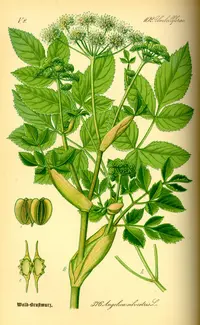
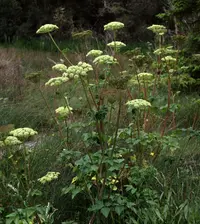
Seacoast angelica (Angelica lucida) is a perennial coastal herb in the carrot family, known for its tall, upright stems and rounded clusters of pale white flowers. It forms clumps of glossy, divided leaves that give it a robust, architectural look in mixed plantings.

This species naturally occurs along rocky shorelines and coastal meadows of the northern Pacific and Atlantic coasts of North America. It is adapted to cool, windy, salt-exposed sites, which can make inland cultivation more challenging.

Gardeners who care for seacoast angelica should provide moist, well-drained, relatively rich soil and steady moisture. It generally prefers full sun in cool climates or light shade in warmer areas.

Main Plant Requirements

Care Difficulty

Moderate Care

Light Preference

Full Sun

Water Requirements

Regular Water

Temperature Preference

Cold Hardy

Hardiness Zone

3–8

Soil Texture

Sandy, Loamy, Organic-rich

Soil pH

Slightly acidic (6.5–7.0), Neutral (7.0)

Soil Drainage

Moist but well-drained

Fertilization

Minimal (feed rarely)

Get Personalized Care Plan

Scan your plant to receive care tips personalized for your specific plant

Available on iOS and Android

How to Care for the seacoast angelica

This coastal biennial or short-lived perennial prefers bright, cool conditions with protection from harsh midday sun.

  • Provide 4–6 hours of sun daily, ideally morning sun with light afternoon shade, which mirrors natural seaside exposure for seacoast angelica.
  • Tolerates light to moderate partial shade, but in deep shade stems elongate, foliage thins, and flowering is reduced.
  • In hot inland summers, use eastern exposure, high overstory trees, or light shade cloth to prevent leaf scorch from intense afternoon sun.

This species favors consistently moist but not waterlogged soil, similar to its native coastal habitats.

  • Water when the top 3–5 cm of soil feels slightly dry, aiming for evenly moist soil down to root depth without standing water.
  • Increase watering frequency during warm, windy weather or sandy soils that dry quickly; reduce in cool, rainy periods and winter dormancy.
  • Signs of overwatering include yellowing, limp leaves and a sour soil smell, while wilting, crisp leaf edges, and slow growth suggest underwatering for Angelica lucida.

This plant is adapted to cool, maritime climates and tolerates a fairly wide temperature range outdoors.

  • Optimal growth occurs around 55–70°F (13–21°C), with vigorous foliage and flowering in cool, moist summers.
  • Mature plants usually survive down to about 10–15°F (-12 to -9°C) with mulch; young plants are more vulnerable to sudden hard frosts.
  • Heat above 80–85°F (27–29°C), especially with dry soil, can cause stress, so provide extra moisture and partial shade during hot spells.

This coastal species handles a broad humidity range but prefers moderately moist air.

  • Aim for 40–60% humidity; normal outdoor and most indoor conditions suit seacoast angelica.
  • Leaves curling, browning at tips, or drying quickly after watering can indicate air that is too dry.
  • Group plants, use a pebble tray, or place near other vegetation to gently raise local humidity without waterlogging.

Angelica lucida prefers moist, airy, and nutrient-rich soil that does not stay waterlogged.

  • Use a deep, loamy mix with 40–50% compost, 30–40% garden soil, and 10–20% sand for structure and nutrients.
  • Ensure drainage is free by adding coarse sand or fine gravel to the lower mix layer, especially in heavy native soils.
  • Keep pH slightly acidic to neutral, around 6.0–7.0, as strongly alkaline conditions reduce nutrient availability.
  • Avoid compacted clay, peat-only mixes, or sites that form puddles, since low oxygen around roots promotes rot.

This species can grow in containers if the pot is deep, stable, and drains very efficiently.

  • Choose a tall, heavy pot or one that can be weighted at the base to counteract wind and tall flowering stalks.
  • Use a deep substrate layer so the long taproot can extend downward without curling tightly around the bottom.
  • Select a potting mix that drains faster than garden soil yet retains moisture, and empty saucers promptly after rain or watering.

Angelica lucida usually needs minimal feeding, especially in fertile, coastal-type soils.

  • Use a light top-dressing of compost in spring to refresh nutrients and soil structure.
  • If growth appears weak on poor soil, apply a balanced, slow-release NPK fertilizer at 1/2 strength.
  • Feed once at the start of the growing season; avoid repeated applications during summer.
  • Do not fertilize seacoast angelica in winter, when growth is dormant or very slow.

Pruning Angelica lucida is mainly done to keep plants tidy and support healthy growth.

  • Cut back spent flowering stems in late summer to prevent excessive self-seeding.
  • Remove dead, damaged, or diseased stalks at the base with clean, sharp pruners.
  • Thin crowded stems to improve airflow and reduce fungal problems in humid sites.
  • Leave some seed heads if natural reseeding and wildlife value are desired.

Angelica lucida is usually grown in the ground, so care focuses on gentle transplanting rather than frequent repotting.

  • Transplant young plants in early spring or early fall, when temperatures are mild.
  • Move only when roots fill the starter pot or growth stalls, typically after the first season.
  • Lift with a deep spade, keeping a large soil clump around the taproot to reduce stress.
  • Replant at the same depth, water thoroughly, and shade lightly for 3–5 days while it re-establishes.

New Angelica lucida plants are most often raised from seeds, with some natural self-sowing in suitable sites.

  • Collect ripe seeds in late summer and sow fresh in fall for better germination.
  • Use a free-draining, moist seed mix and place trays in a cool, bright, outdoor or unheated frame spot.
  • Lightly cover seeds, keep evenly moist, and allow natural winter chilling to break dormancy.
  • Thin or transplant young seedlings in spring, disturbing roots as little as possible.

Established Angelica lucida is fairly cold hardy in coastal climates and usually needs only light winter care.

  • In colder inland sites, apply a 5–7 cm mulch around the root zone after the ground cools.
  • Avoid waterlogged conditions by ensuring sharp drainage before sustained freezes.
  • Container plants in cold regions can be moved to a sheltered, unheated, frost-free area.
  • Leave some standing stems over winter to catch snow and protect emerging crowns.

Care Tips

Wind exposure planning

Site plants where they receive good air movement but are shielded from the strongest onshore winds, using low fencing or taller vegetation as a windbreak to reduce stem lodging and salt-burned foliage.

Deep anchoring mulch

Apply a 3–5 cm layer of coarse, well-draining mulch such as washed gravel or fine bark around but not touching the crown to stabilize the root zone in sandy sites and reduce erosion without causing rot.

Salt-splash management

In exposed coastal gardens, lightly hose foliage with fresh water after storm-driven salt spray, directing water downward to rinse leaves without waterlogging the crown.

Preventing stem flop

Install discreet, low hoop supports or a single ring stake around young plants early in the season so tall flowering stems can grow through the support and stay upright in wind and rain.

Timed seed collection

Mark strong, healthy plants for seed and harvest umbels as the seeds turn from green to tan, then dry them in paper bags indoors to store viable seed for future growing seacoast angelica from local-adapted stock.

Common Pests and Diseases

Carrot fly

This pest targets plants in the carrot family, with larvae tunneling into roots and lower stems, causing wilt, stunting, and sometimes plant death. Symptoms include reddish or yellowing foliage and poor vigor, especially in exposed coastal or garden plantings.

Solution

Use fine insect netting over young plants from early spring to block adult flies, and avoid thinning or disturbing soil during peak egg-laying periods. Rotate plantings away from other Apiaceae crops (carrot, parsley, celery), remove affected plants and nearby plant debris, and in small plantings use collars or mulches around stems to reduce egg laying at the soil surface.

Powdery mildew

This disease appears as white, powdery patches on leaves and stems, often during warm days with cool, humid nights. Symptoms include dull, distorted foliage and reduced vigor, especially in crowded or shaded stands.

Solution

Improve airflow by spacing plants properly and removing dense surrounding vegetation, and avoid overhead watering in late afternoon or evening. Prune out and discard heavily infected leaves, and if needed apply a sulfur or potassium bicarbonate-based fungicide, following label directions carefully for Angelica lucida care instructions.

Leaf spot

This disease causes small, dark, water-soaked to tan spots on leaves that may enlarge and merge, leading to yellowing and premature leaf drop. Symptoms include weakened plants and reduced ornamental quality in both wild and cultivated stands.

Solution

Remove and discard infected leaves promptly and keep foliage as dry as possible by watering at the soil level. Improve air circulation, avoid high-nitrogen fertilization that pushes soft growth, and in persistent cases use a copper-based or other labeled foliar fungicide early in the infection cycle.

Aphids

These insects cluster on young stems, undersides of leaves, and flower stalks, sucking sap and excreting honeydew that can lead to sooty mold. Symptoms include sticky leaves, distorted new growth, and attraction of ants to honeydew.

Solution

Dislodge colonies with a firm stream of water, repeating every few days as needed, and encourage natural predators such as lady beetles by minimizing broad-spectrum insecticides nearby. For heavier infestations, apply insecticidal soap or a light horticultural oil, thoroughly coating stems and leaf undersides while avoiding spraying in strong sun or high heat.

Crown and stem rot

This disease affects the base of the stems at or just above the soil line, which may become dark, soft, and water-soaked, leading to sudden collapse of shoots. Symptoms include yellowing foliage, lodging of stems, and rapid decline in poorly drained or waterlogged sites, especially in heavier soils than the plant’s usual coastal habitat.

Solution

Improve drainage by planting on slightly raised beds or mounds and avoid overwatering, especially in heavy or compacted soils. Promptly remove and discard affected plants and nearby plant debris, avoid replanting Angelica or other Apiaceae in the same spot for several years, and use only clean, well-draining soil mixes for any seacoast angelica indoor care or container culture.

Interesting Facts

Native to Pacific coasts

This species is naturally restricted to cold, ocean-influenced shorelines of the North Pacific, from northern California through Alaska and into northeastern Asia, where it grows in salt-spray zones and coastal meadows just above the high-tide line.

High salt and wind tolerance

Unlike many inland angelicas, it withstands strong maritime winds, salt spray, and sandy or gravelly substrates, making it a characteristic component of storm-exposed coastal plant communities.

Large coastal umbel displays

Its tall, hollow stems can reach around 1–2 m in exposed coastal habitats, carrying broad compound umbels that provide significant nectar and pollen resources for flies, bees, and other pollinating insects in short northern growing seasons.

Botan icon

Did you know?

In parts of coastal Alaska and the Pacific Northwest, Indigenous communities have long distinguished this species from the toxic look-alike water hemlock (Cicuta spp.) by subtle traits such as stem color, smell, and habitat position, illustrating detailed traditional ecological knowledge of similar umbellifer plants in harsh shore environments.

FAQs about seacoast angelica

This species is a short-lived perennial or biennial. Plants usually form leafy rosettes for 1–2 years, then send up tall flowering stems, set seed, and often die back, relying on self-sown seedlings for continuity.

Grow Healthy Plants with Botan Care

Keep your plants happy and healthy with plant identification, disease detection, and easy care guidance.

Botan plant care app — identify plants on mobile

Explore More Plants