Angelica heterocarpa Care

Angelica heterocarpa

About Angelica heterocarpa

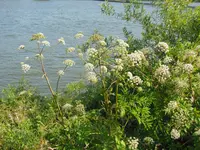
Angelica heterocarpa is a herbaceous perennial in the carrot family, forming tall, hollow stems with divided leaves and broad, umbrella-like clusters of small white flowers. It typically grows along riverbanks, marshes, and other moist, coastal or riparian habitats in parts of western Europe. The plant has a robust, somewhat architectural habit that can stand out in naturalistic plantings. It generally prefers cool, moist conditions, fertile soil, and consistent access to water. For gardeners, the main considerations to care for Angelica heterocarpa are providing enough moisture, allowing space for its height, and supporting its preference for partial sun in many climates.

Main Plant Requirements

Care Difficulty

Moderate Care

Light Preference

Partial Shade

Water Requirements

Keep Soil Moist

Temperature Preference

Cool Climate

Hardiness Zone

6–9

Soil Texture

Loamy, Silty, Organic-rich

Soil pH

Acidic (5.5–6.5), Slightly acidic (6.5–7.0)

Soil Drainage

Moist but well-drained

Fertilization

Minimal (feed rarely)

Get Personalized Care Plan

Scan your plant to receive care tips personalized for your specific plant

Available on iOS and Android

How to Care for the Angelica heterocarpa

This species prefers bright, open conditions but tolerates some shade in warm climates.

  • For strong vegetative growth, aim for 4–6 hours of direct morning sun with light shade or filtered light in the hotter afternoon hours.
  • Plants in cooler, coastal, or northern areas can handle full sun all day if soil stays consistently moist and does not dry out completely.
  • In deep shade stems elongate, flowering decreases, and leaves pale; in intense, all-day summer sun foliage may scorch or wilt, especially in dry or windy sites.

This umbellifer thrives in consistently moist, never waterlogged soil.

  • Allow the top 2–3 cm of soil to just begin to dry, then water thoroughly so moisture reaches the deeper root zone, especially during active growth.
  • In spring and summer, monitor closely during dry spells; in autumn and winter, reduce watering but prevent the soil from drying out hard or cracking.
  • Overwatering shows as yellowing, soft stems, or a sour smell in the soil, while underwatering causes limp, folding leaves and dry, brittle upper soil.

This species prefers mild, temperate conditions and tolerates cool weather better than heat.

  • Optimal growth occurs around 55–70°F (13–21°C), with steady moisture helping the plant handle light temperature fluctuations.
  • Mature plants tolerate short dips to about 25°F (−4°C), but repeated hard frosts without snow cover can damage crowns and young shoots.
  • Prolonged heat above 85°F (29°C), especially with dry soil, leads to wilting, early flowering, and possible dieback, so provide shade and extra moisture in hot spells.

This species tolerates a wide humidity range but benefits from moderately moist air in dry homes.

  • Aim for 40–60% humidity, similar to most living spaces in temperate regions.
  • Tolerates brief dry air, but persistent low humidity can cause leaf edges to brown and foliage to wilt slightly.
  • Increase humidity with a nearby pebble tray or grouping plants together rather than misting leaves directly.

Angelica heterocarpa prefers deep, moist, well-aerated soil that does not stay waterlogged.

  • Use a loamy mix with high organic matter, such as garden loam blended with compost for structure and nutrient retention.
  • Ensure steady moisture with drainage by adding coarse sand or fine grit so water moves through without forming puddles.
  • Target a slightly acidic to neutral pH around 6.0–7.0, avoiding strongly alkaline or very acidic sites that limit nutrient uptake.
  • Improve aeration and prevent compaction by incorporating leaf mold or well-rotted bark into the top 10–15 cm of the planting area.

This species can be grown in containers if given enough depth and stable moisture conditions.

  • Choose a deep, heavy container that resists tipping as the tall flower stems develop and catch wind.
  • Select a pot material like thick terracotta only if you can compensate for faster drying with more frequent watering.
  • Use a container at least 30–40 cm deep to accommodate the taproot without crowding and reduce stress during dry spells.

This species grows in relatively lean soils and only needs light feeding in cultivation.

  • Apply a balanced, low-strength liquid fertilizer (around 1/4–1/2 label rate) every 4–6 weeks during the main growing season.
  • Use well-rotted compost or leaf mold as a thin top-dressing in spring to support Angelica heterocarpa without overfeeding.
  • Avoid high-nitrogen products that cause weak, sappy growth; aim for a balanced NPK formulation.
  • Stop fertilizing in late summer so growth hardens before winter dormancy.

Pruning is mainly used to maintain plant health and manage spread rather than to shape the plant.

  • Cut back spent flowering stems in late summer or early autumn to reduce self-seeding and tidy the clump.
  • Remove dead, damaged, or diseased stalks at the base with clean, sharp pruners to limit rot and pests.
  • Thin crowded stems slightly to improve air flow, which lowers the risk of fungal problems.
  • Leave some seed heads on Angelica heterocarpa if natural reseeding is desired, then trim before winter if needed.

This plant is usually grown in open ground, so focus on careful transplanting rather than frequent repotting.

  • Transplant young plants in early spring or early autumn, when soil is moist and temperatures are mild.
  • Choose a deep, well-drained site; avoid moving established Angelica heterocarpa often, as the taproot resents disturbance.
  • If grown in a pot, shift to a slightly larger container only when roots circle the sides or growth slows.
  • Water thoroughly before and after transplanting, then keep soil evenly moist for several weeks to limit root stress.

Propagation is most reliable from seed, which benefits from cool, moist conditions before germination.

  • Sow fresh seeds in late summer to autumn in trays or pots outdoors, allowing natural cold stratification over winter.
  • Use a free-draining seed mix, keep it evenly moist, and avoid covering the seed too deeply, as fine seeds need light contact with air.
  • Once seedlings of Angelica heterocarpa are large enough to handle, prick out gently and grow on in individual pots.
  • Plant young plants into their final position while still small to reduce taproot damage and improve establishment.

In most temperate climates this species is reasonably hardy and needs only simple winter care.

  • Tolerates light to moderate frost, but very wet, cold soil can damage roots.
  • Apply a 5–8 cm layer of organic mulch around the root zone in late autumn, keeping it clear of the crown.
  • For container plants, move pots to a sheltered, unheated but frost-free spot or wrap containers to insulate roots.
  • Cut back collapsed stems of Angelica heterocarpa in late winter, leaving any still-firm growth until severe cold has passed.

Care Tips

Windfirm staking

Install 2–3 sturdy stakes and loose soft ties around young plants in exposed sites to prevent wind rock, which can damage the crown and shallow roots of this tall, hollow-stemmed umbellifer.

Bolting management

As soon as main flowering stems appear, decide whether to allow seed set or not; cutting most flower stems early extends vegetative growth, while leaving only a few umbels to ripen provides viable seed for future sowing when growing Angelica heterocarpa.

Seed collection timing

Harvest seeds when umbels turn from green to straw-colored and seeds just begin to loosen, then dry them in a single layer in a ventilated, shaded place to maintain viability for next-season sowings.

Self-sowing control

If self-seeding is not desired, remove spent flower heads before seed drop and mulch the soil surface lightly so any stray seedlings are easy to spot and hoe off in spring.

Root zone protection

Apply a 3–5 cm layer of organic mulch around but not touching the crown to keep the root zone cool, reduce soil compaction from rain, and protect the fleshy roots from mechanical damage during maintenance.

Common Pests and Diseases

Leaf spot

This disease causes brown to dark purple spots on foliage, often with a yellow halo, and can lead to premature leaf drop in moist conditions.

Solution

Remove and discard affected leaves, avoid overhead watering, and thin surrounding vegetation to improve airflow; in persistent cases on valuable plantings, a copper-based fungicide labeled for umbellifers can be used during long wet periods as part of broader Angelica heterocarpa care instructions.

Powdery mildew

This disease appears as a white, powdery coating on leaves and stems, which can cause distortion and reduce plant vigor, especially in crowded, shaded sites.

Solution

Increase spacing and airflow, water at soil level, and remove heavily infected plant parts; if needed, apply a sulfur or potassium bicarbonate product labeled for powdery mildew early in the infection period.

Aphids

These insects cluster on young stems, leaves, and flower stalks, sucking sap and causing curling, yellowing, and sticky honeydew that can attract sooty mold.

Solution

Wash colonies off with a firm stream of water, encourage predators such as lady beetles by avoiding broad-spectrum insecticides, and, if populations remain high, use insecticidal soap or a light horticultural oil applied thoroughly to stems and leaf undersides.

Leaf miners

This pest creates winding, pale tunnels inside Angelica leaves as the larvae feed between leaf surfaces, which can reduce photosynthesis and appearance on heavily affected foliage.

Solution

Remove and discard mined leaves as soon as damage is seen to break the life cycle, avoid planting new Angelica right next to infested plants, and use fine mesh row covers early in the season if the plant is grown in areas with a known history of leaf miner issues.

Crown rot

This disease causes blackening and softening at the base of stems, often following prolonged soil saturation or poor drainage, leading to wilting and collapse of the plant.

Solution

Improve drainage with raised beds or coarse organic matter, avoid waterlogged sites and excess mulch around the crown, and promptly remove and dispose of severely affected plants to reduce pathogen build-up in the soil.

Interesting Facts

Specialist riverbank native

This species is naturally restricted to Atlantic coastal river systems of western Europe, especially in France and the Iberian Peninsula, where it grows on tidal or regularly flooded alluvial banks and brackish river margins.

Tolerance to brackish water

Unlike many other Angelica species, it can cope with mildly saline conditions, an adaptation that allows it to persist in estuarine zones where fresh and salt water mix.

Hybridization with relatives

In parts of its range it hybridizes with closely related Angelica taxa, which has made its identification and conservation assessment more complex for botanists.

Botan icon

Did you know?

Angelica heterocarpa was historically considered a local coastal endemic, and its precise taxonomic limits and distribution have been the subject of multiple regional floras and revisions, reflecting its scientific importance in understanding plant diversification along Atlantic estuaries.

FAQs about Angelica heterocarpa

This umbellifer produces broad, many-flowered heads that are highly attractive to bees, hoverflies, and other beneficial insects. Plant it in a sunny, sheltered spot to support local pollinator populations and increase overall garden biodiversity.

Grow Healthy Plants with Botan Care

Keep your plants happy and healthy with plant identification, disease detection, and easy care guidance.

Botan plant care app — identify plants on mobile

Explore More Plants